The Tragic Family Drama Disguised as a Porn Movie
Most movies about the adult film industry lean into either puritanical finger-wagging or sleazy exploitation. Boogie Nights works because Paul Thomas Anderson treated the subculture of the late-1970s San Fernando Valley the same way Martin Scorsese treated the mob in Goodfellas: as a seductive, insular world with its own warped codes of honor and domestic rituals.
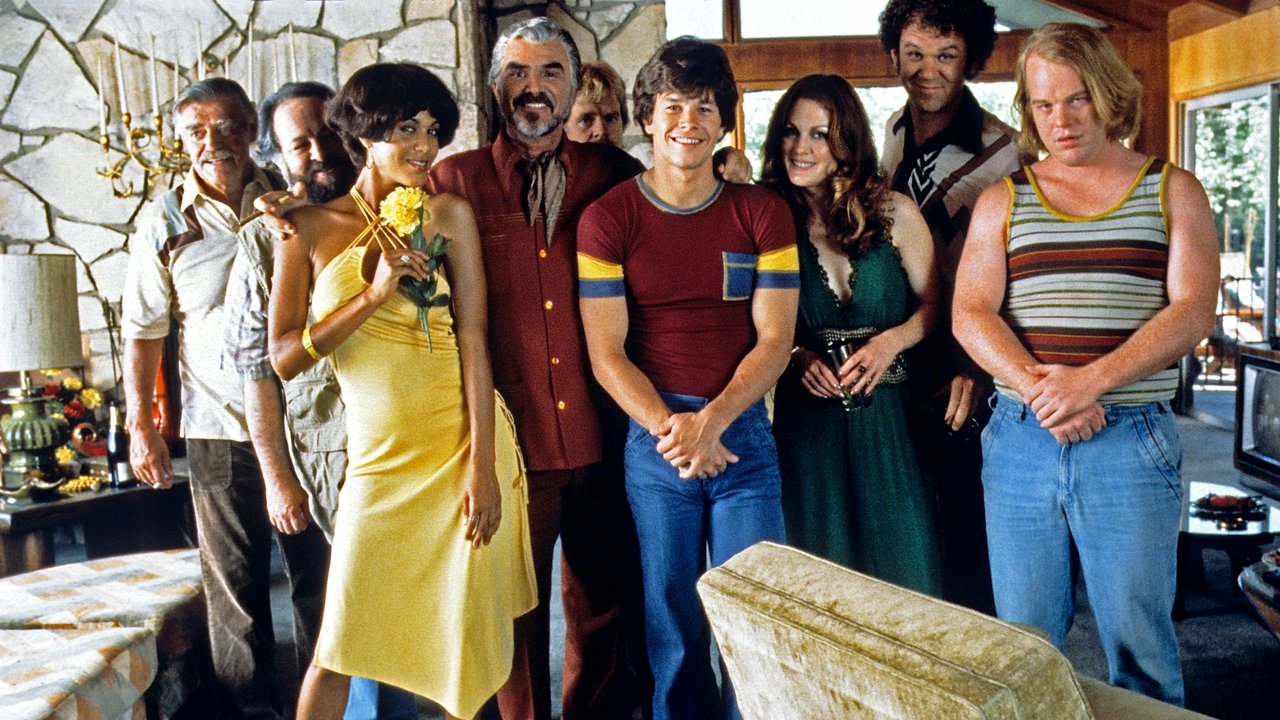
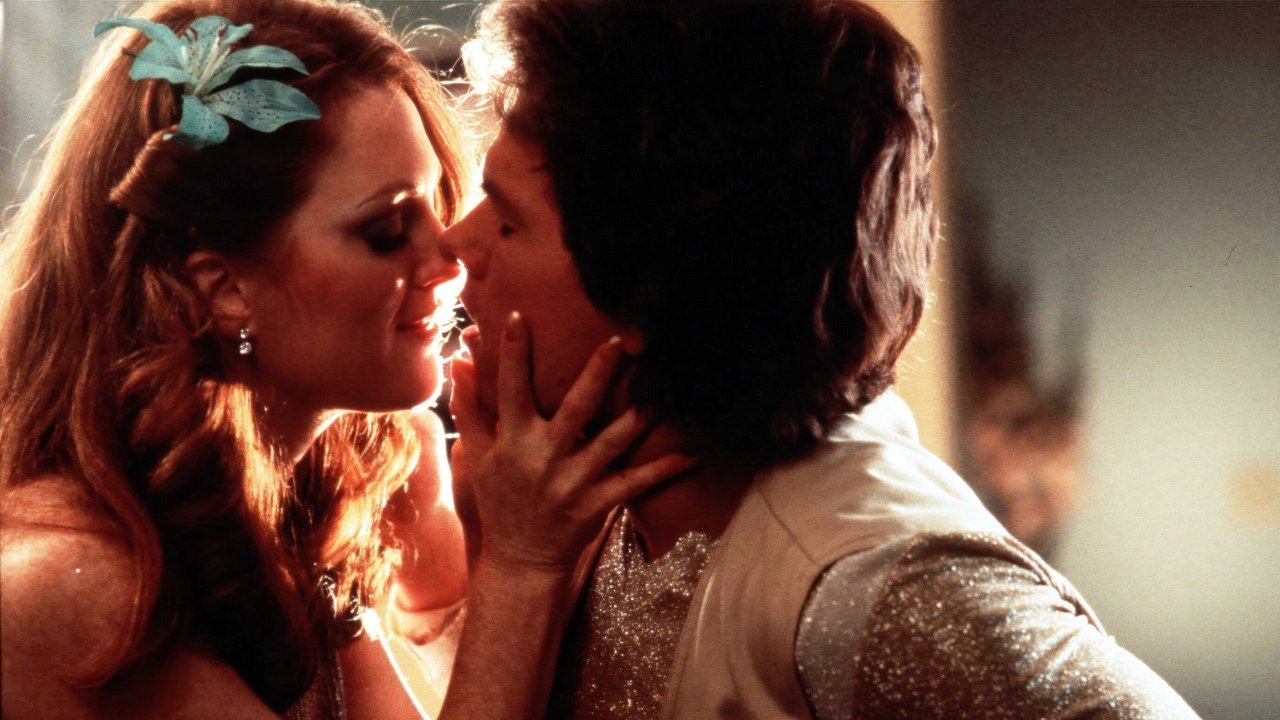
Dirk Diggler (Mark Wahlberg) starts as Eddie Adams, a busboy with an abusive home life and an anatomical gift. Jack Horner (Burt Reynolds) and Amber Waves (Julianne Moore) provide the unconditional affection Eddie never got at home. That emotional hook anchors the first ninety minutes, making the poolside barbecues and cheesy disco recording sessions feel oddly heartwarming.
The Shift From 35mm to Cheap Tape
What makes the film essential viewing for older cinephiles is its study of technological and cultural disruption. Jack Horner genuinely believes he is making legitimate cinema with stories people sit through after the sex ends. Then video tape arrives in the early 1980s.
Video strips away the pretense of cinematic art, slashing budgets and production values to the bone. Anderson mirrors this cultural decay visually: the warm golden hues, buoyant disco tracks, and gliding camera moves of 1977 curdle into sterile fluorescent lighting, jittery editing, and grating synth-pop by 1983.
When It Gets Dark, It Gets Unbearable
The third act is famously punishing. The sequence in Rahad Jackson's living room—set to Rick Springfield's 'Jessie's Girl' while a teenager randomly throws firecrackers onto the carpet—remains a masterclass in cinematic suspense. But it comes with heavy emotional baggage: botched stickups, bloody shootouts, and severe psychological deterioration.
If you have a seventeen- or eighteen-year-old interested in screenwriting, cinematography, or directing, this is foundational American cinema. Just treat the content with open eyes: it earns every inch of its R rating.