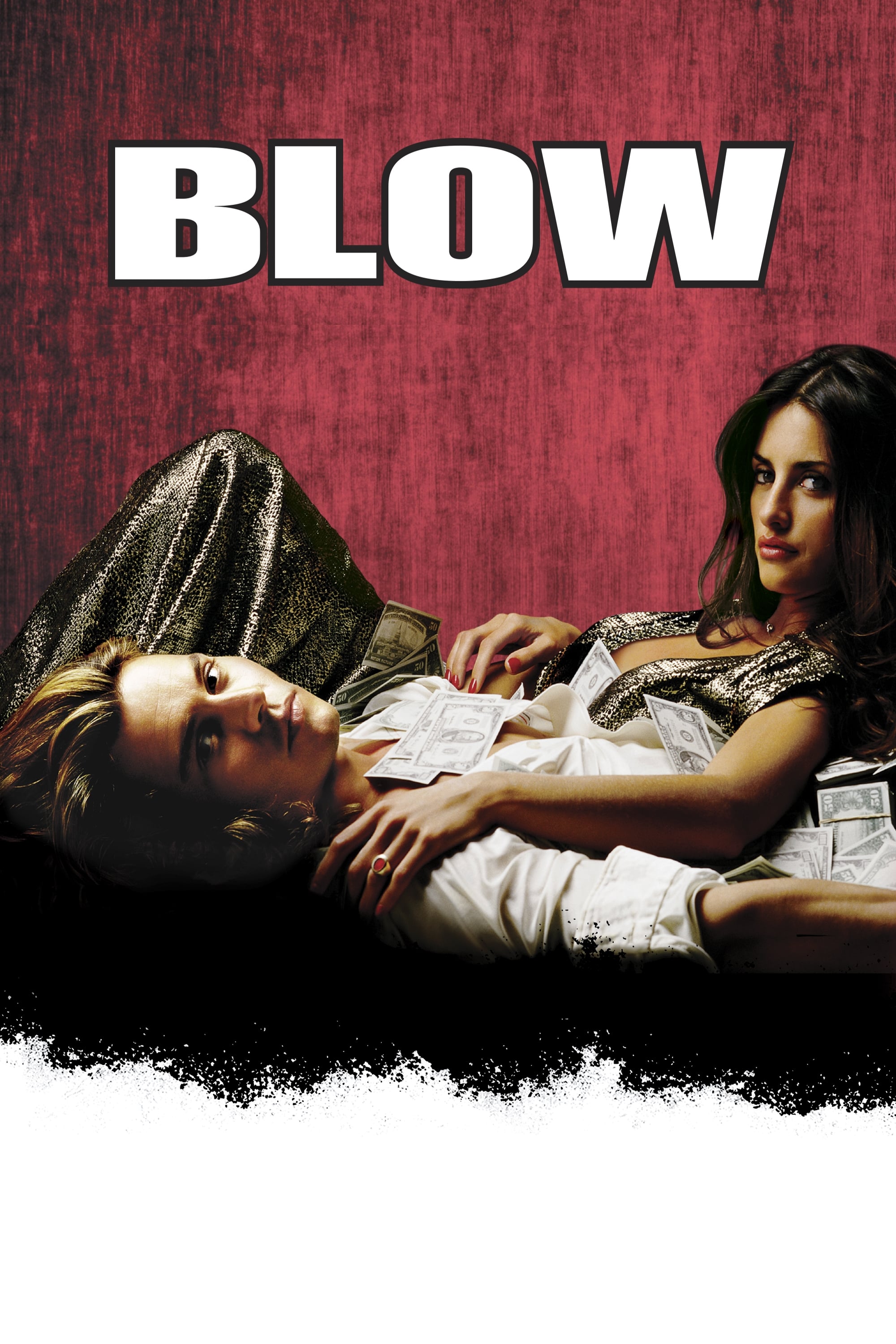
The "Diet Scorsese" factor
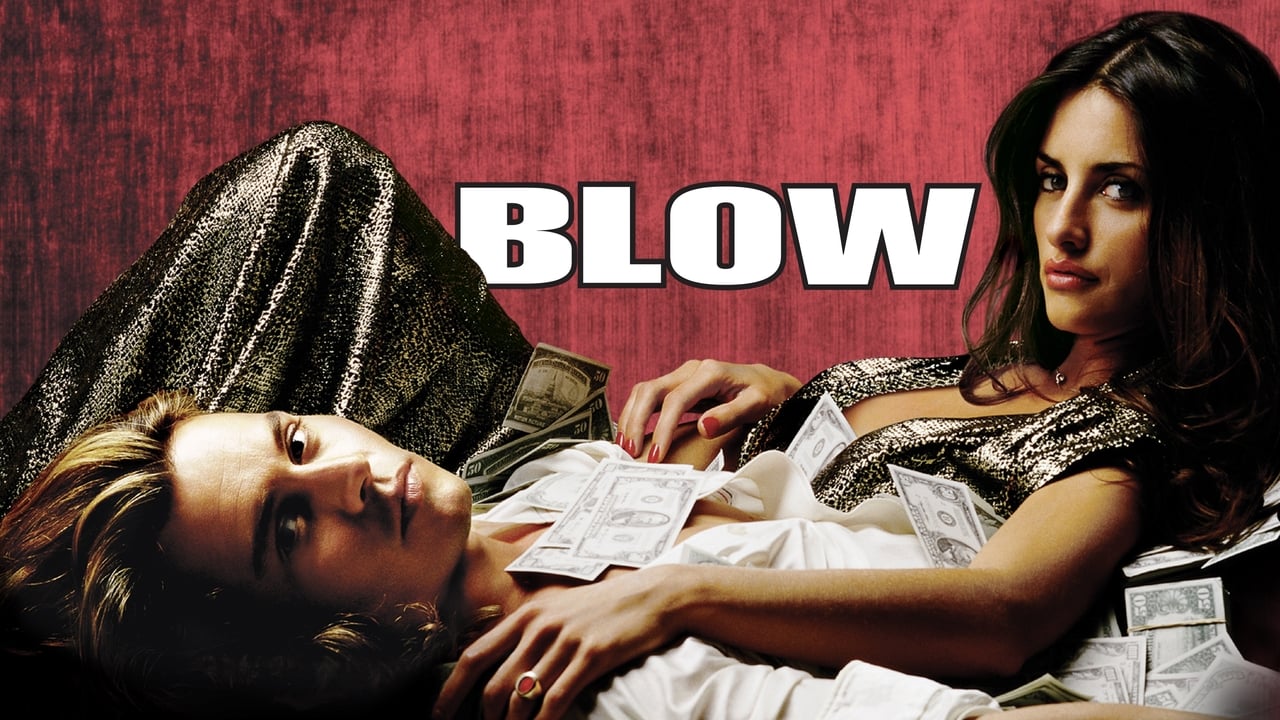
If you look at the Metacritic score of 52, you’ll see a movie that critics basically dismissed as a Goodfellas cover band. They aren't entirely wrong. It uses the same fast-paced, voiceover-heavy, decade-spanning structure that Martin Scorsese perfected. But while critics rolled their eyes at the imitation, audiences went the other way—the 87% audience score on Rotten Tomatoes proves that for most people, "more of that vibe" is exactly what they wanted.
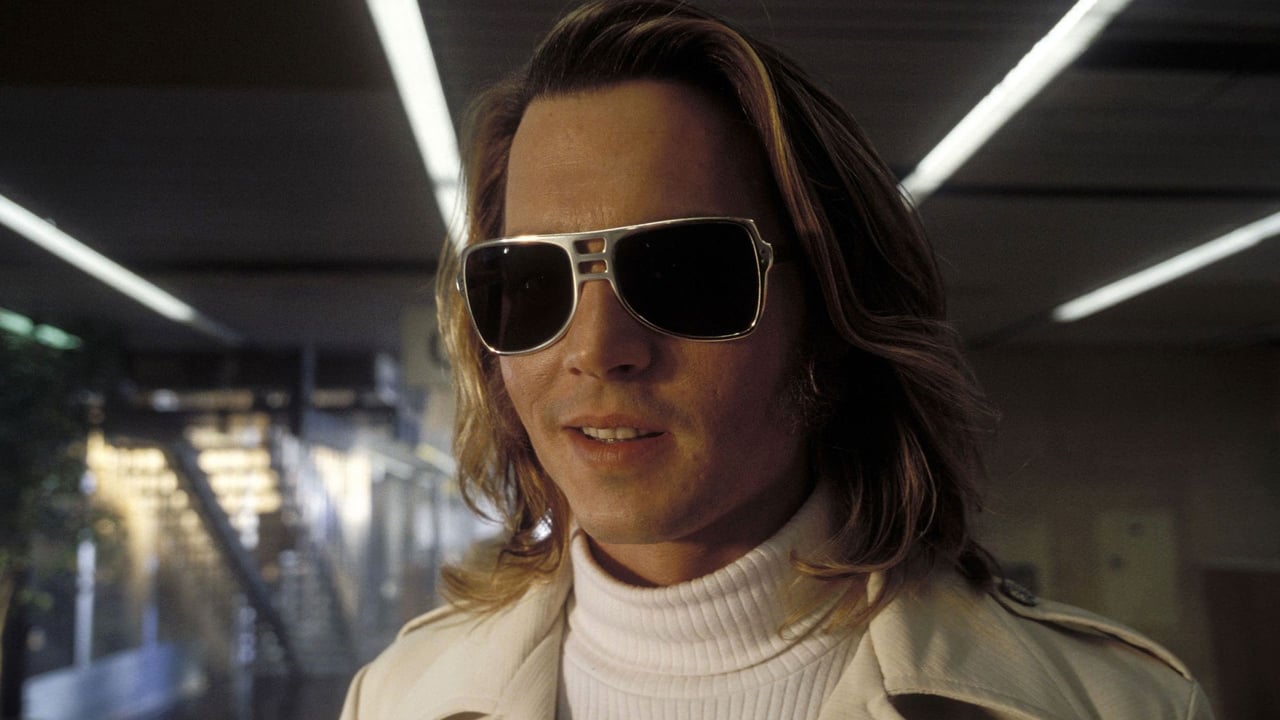
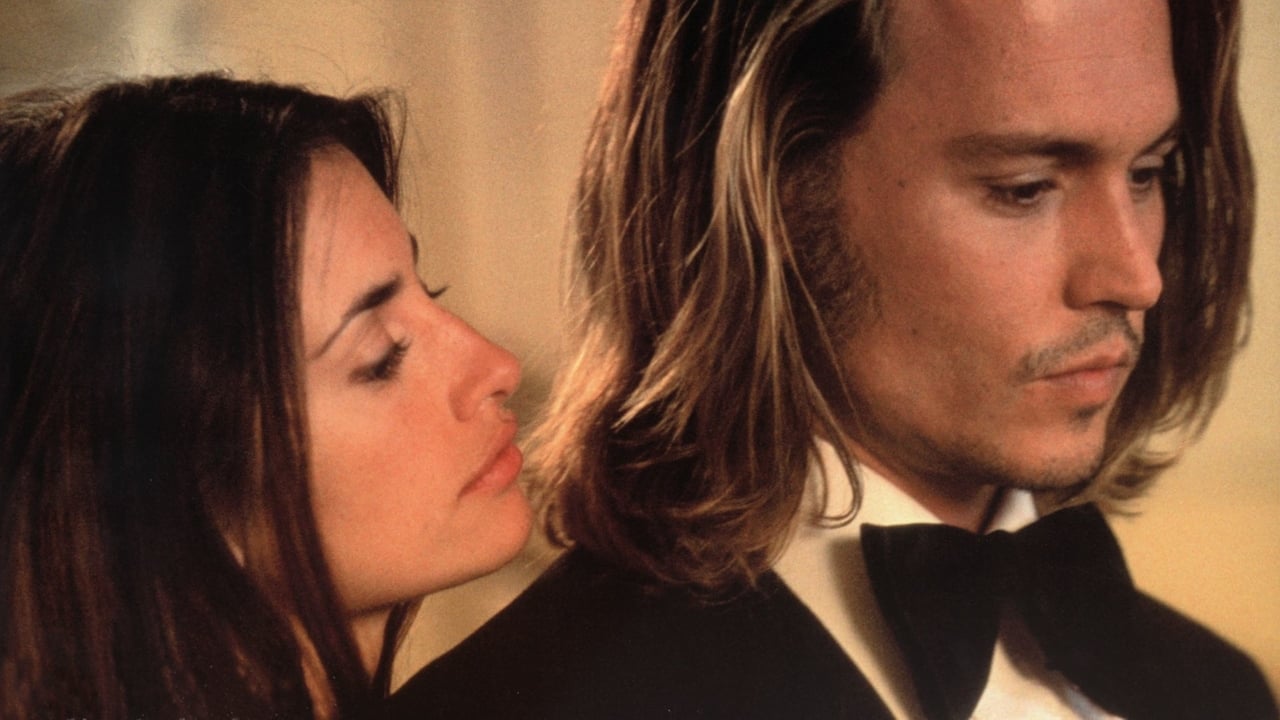
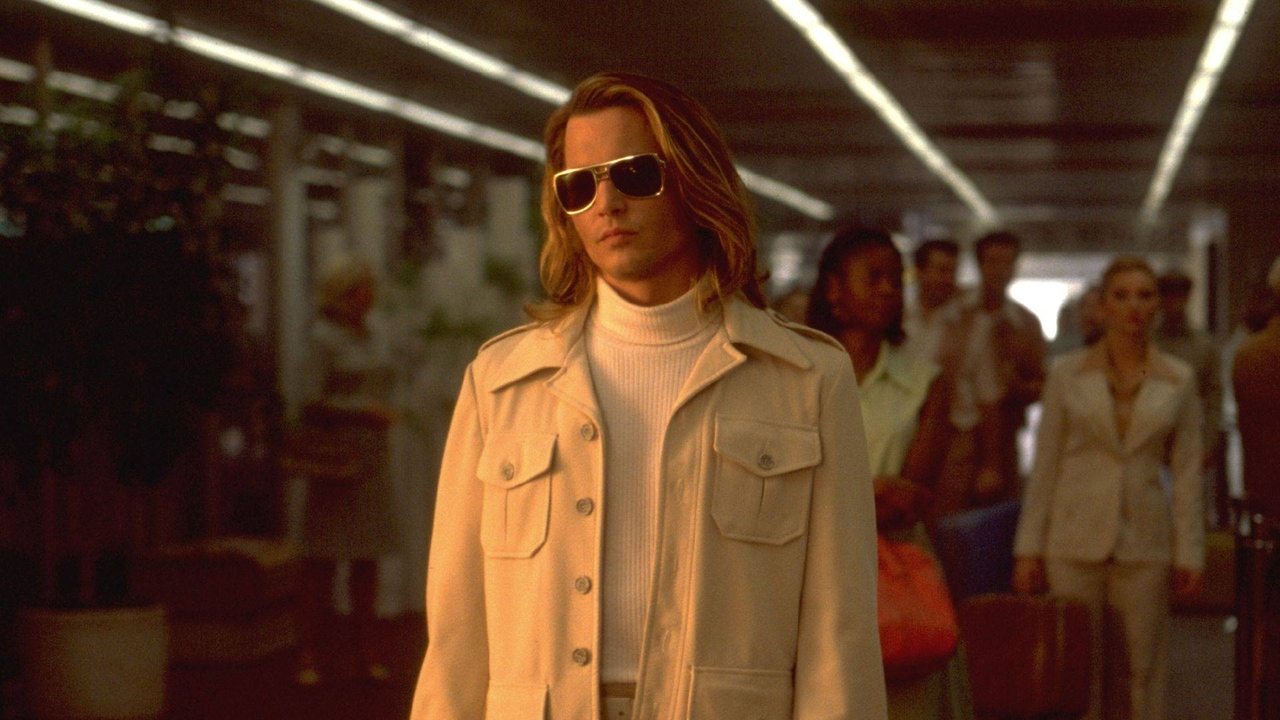
The movie works because it’s a stylized history lesson. It tracks George Jung from his 1950s childhood through the 1960s California weed scene and into the 1970s cocaine explosion. It’s less of a gritty procedural and more of a "greatest hits" reel of how the drug trade actually reshaped America. If you’re into the aesthetic of the era—the hair, the aviators, the classic rock—it’s a visual feast that manages to make the drug trade look like a sunny beach vacation before the inevitable crash.
Why Johnny Depp matters here
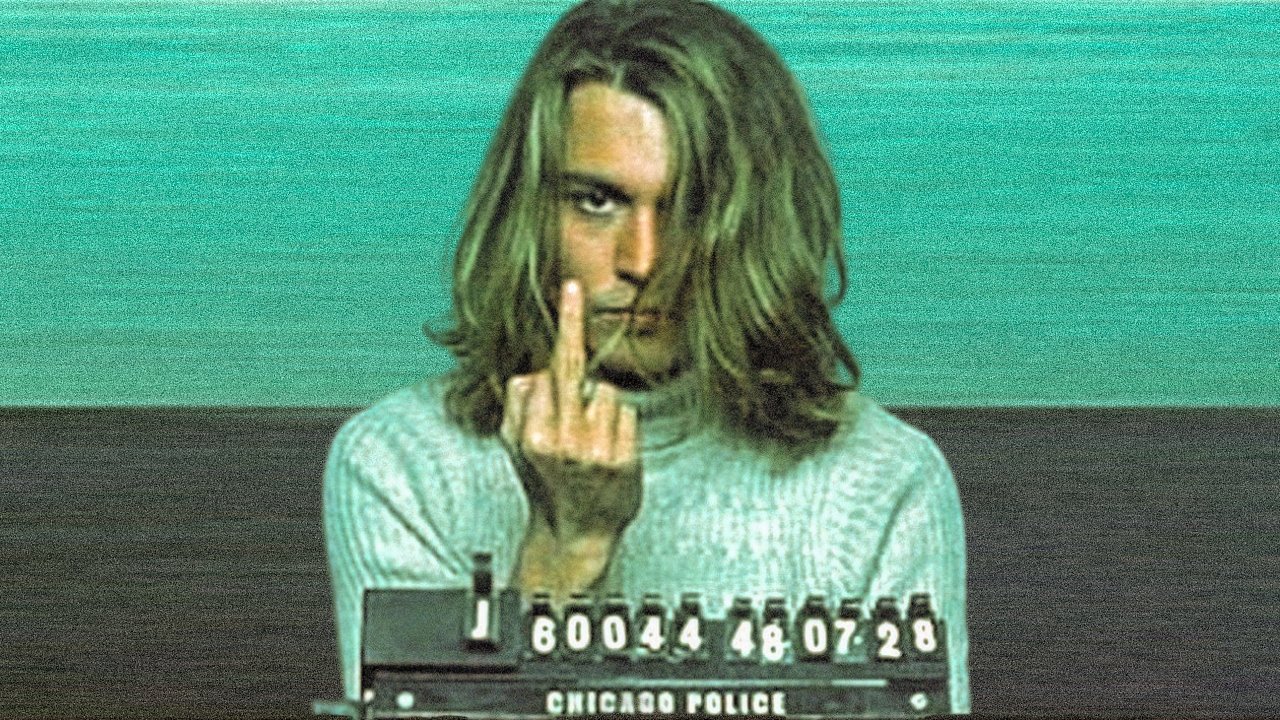
This is arguably the last time we saw Johnny Depp play a relatively grounded human being before he disappeared into a decade of hats, scarves, and CGI makeup. His George Jung is charismatic in a way that’s almost dangerous for a biopic. He plays Jung as a guy who is perpetually "just one deal away" from being a good father, which makes the eventual downfall feel more like a tragedy than a deserved punishment.
The real friction comes from the casting of Ray Liotta as George’s father. Having the guy who played Henry Hill in Goodfellas play the "honest, hardworking sap" who stays broke is a meta-commentary on the genre itself. It grounds the movie in a way the flashy drug-smuggling montages don't. While George is off meeting the Medellin cartel, the scenes back home in New England provide the emotional weight that keeps the movie from being a total cartoon.
The "Feel-Bad" ending
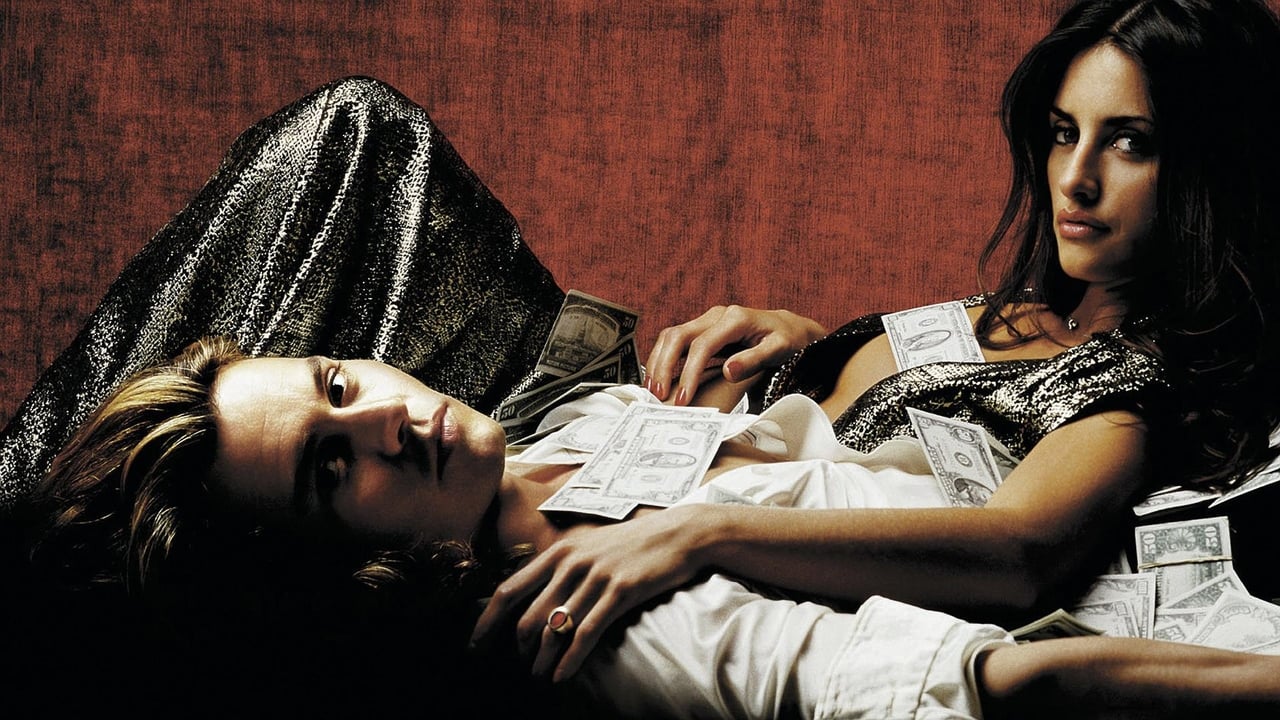
Most crime biopics end in a hail of bullets or a courtroom drama. Blow goes for something much more depressing. The final act isn't about the law catching up to George as much as it is about time catching up to him. The movie shifts from a high-energy party to a slow, quiet study of a man who realized too late that he traded his daughter’s childhood for a pile of money he couldn't even keep.
For a parent, this is the part that actually sticks. The "cool" factor of the first two acts is completely dismantled by the ending. It’s not a movie that glorifies the lifestyle in the long run; it portrays George as a pioneer who ended up as a cautionary footnote. If you're watching this for the crime thrills, you'll get them, but expect to finish the movie feeling like you need a shower and a long talk with your family.
It’s a solid choice for a weekend night if you want something with more "oomph" than a standard drama but don't want to commit to a three-hour Scorsese epic. Just know that the soundtrack will be stuck in your head long after the gloomy credits roll.