Toddler Realism vs. Parental Patience
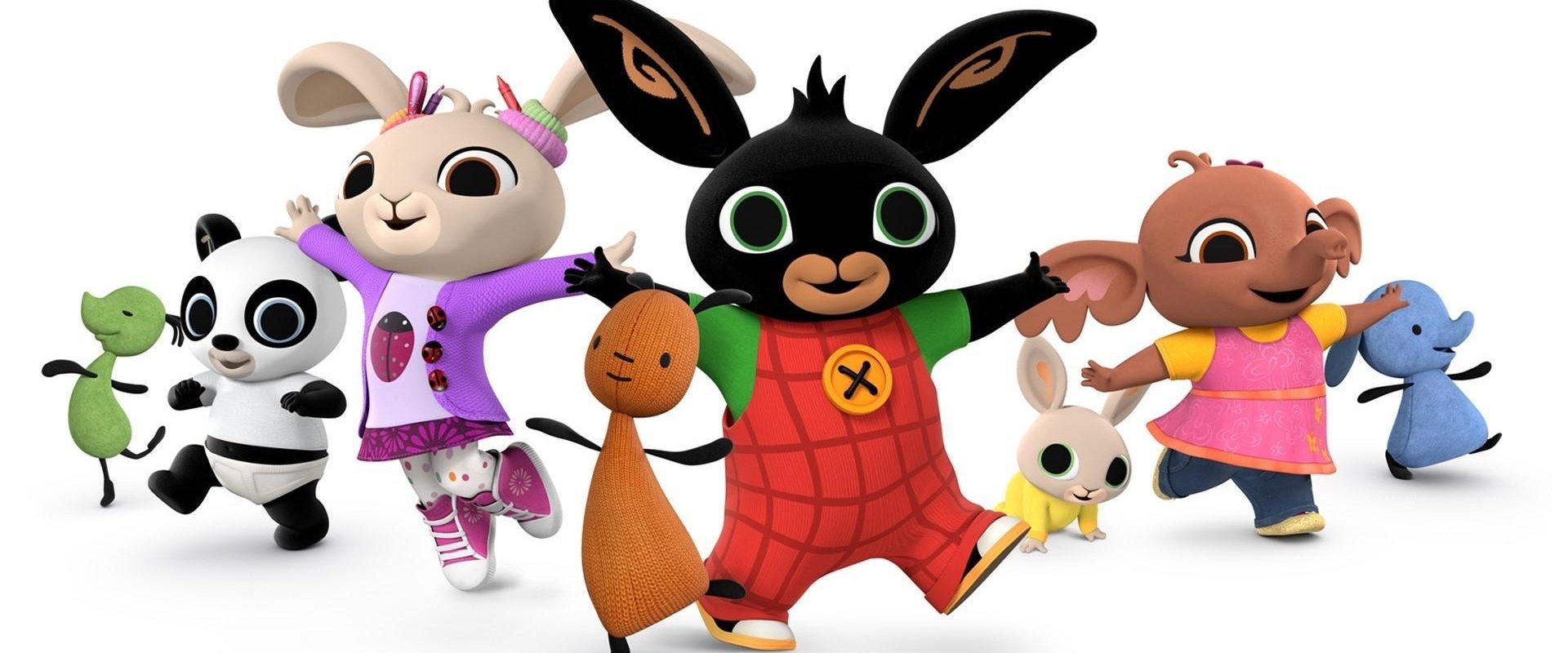
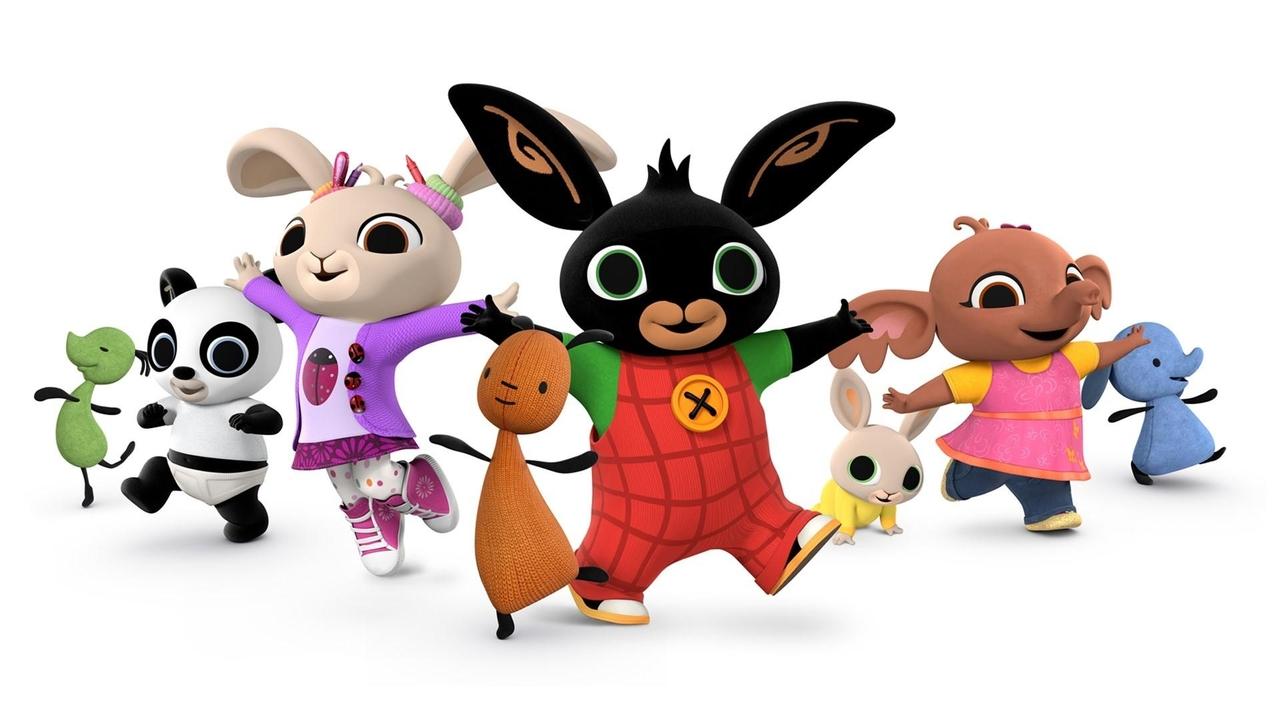
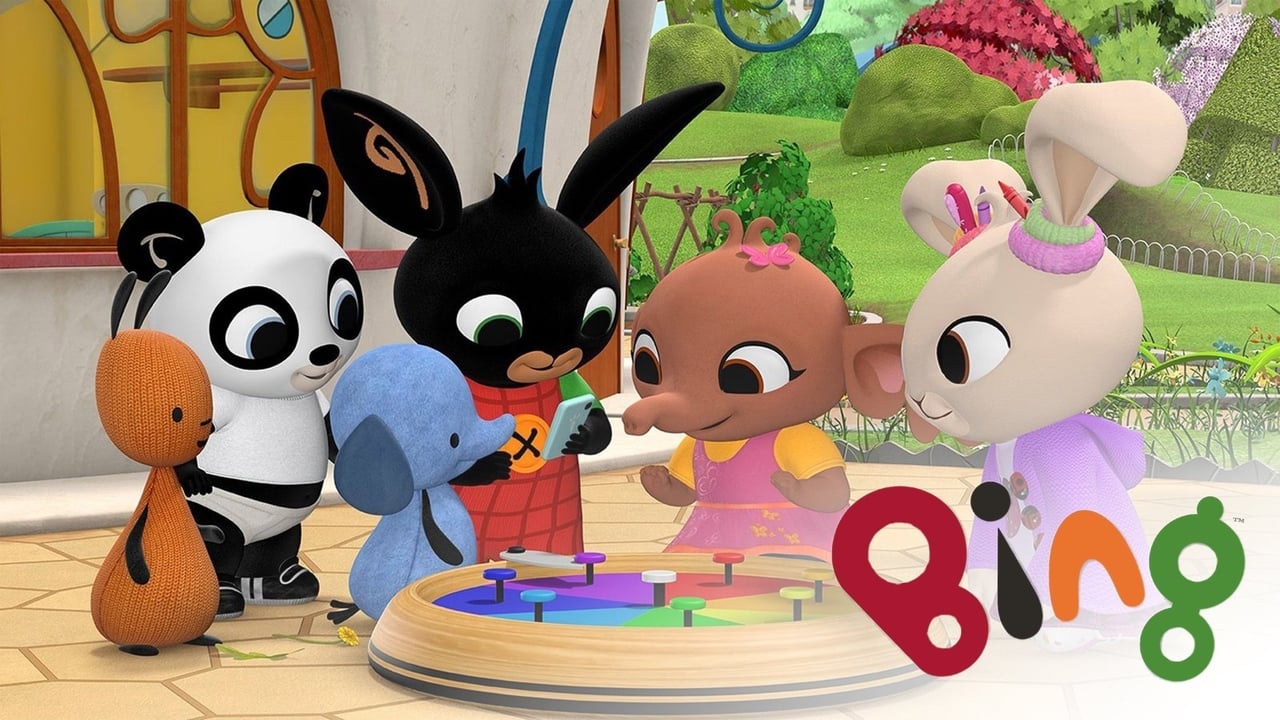
There is a specific divide among parents when it comes to Bing. Half see it as a lifesaver for emotional co-regulation; the other half would happily send the title bunny to the moon. Both camps have a point.
The show is designed around early developmental milestones, specifically the messy trial-and-error of the terrible twos and threes. Bing does not always listen. He acts selfishly. He breaks things that do not belong to him, and he occasionally shouts in frustration when the world fails to accommodate his desires. Unlike sanitized preschool programming where everyone shares instantly, Bing spends several minutes sitting inside the discomfort of a toddler being wrong.
The Flop Factor
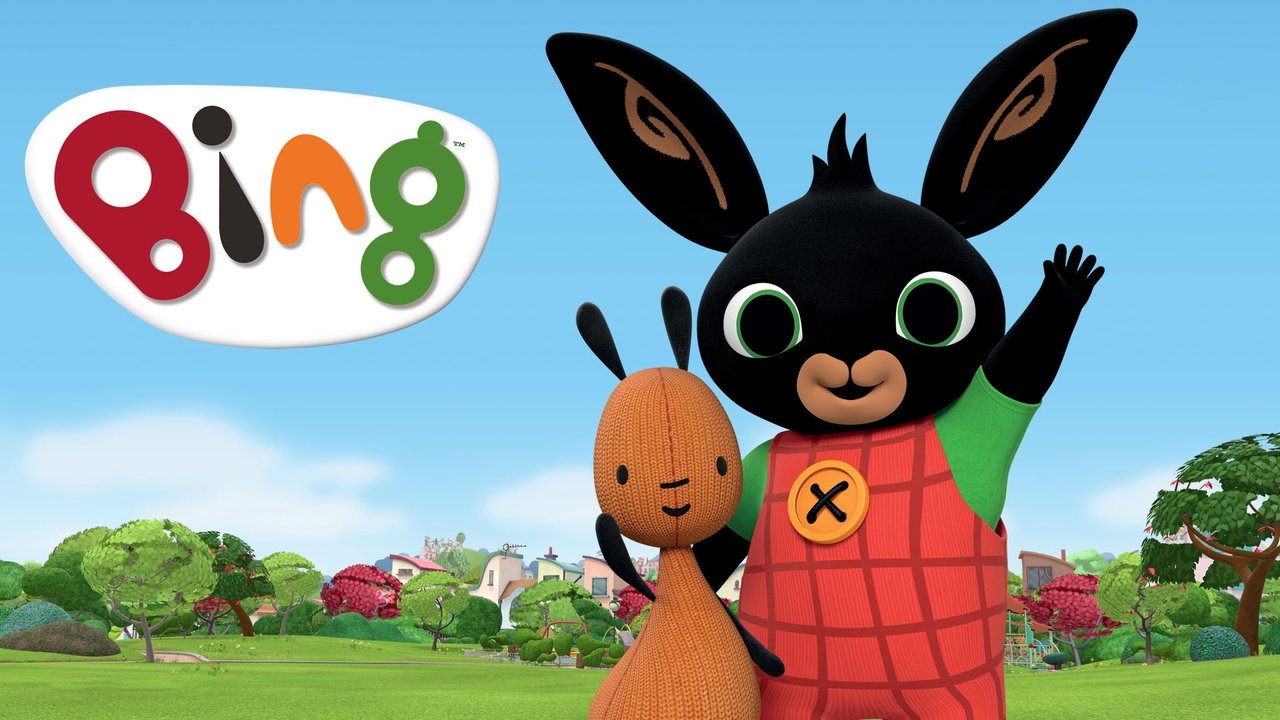
What rescues the series from becoming an exercise in preschool whining is Flop. Where most cartoon adults are either absent or buffoonish, Flop is a steady emotional anchor. His catchphrase—"It's a Bing thing"—is essentially a reminder that toddler behavior is an expected phase of development rather than a personal affront to the caregiver.
Watching Flop guide Bing through picking up broken ceramics or apologizing to a friend gives toddlers a template for what repair looks like after a rupture. The concluding monologue in each episode operates as narrative journaling: Bing names the event, identifies his initial mistake, acknowledges the emotion, and explains the fix.
Where It Grates
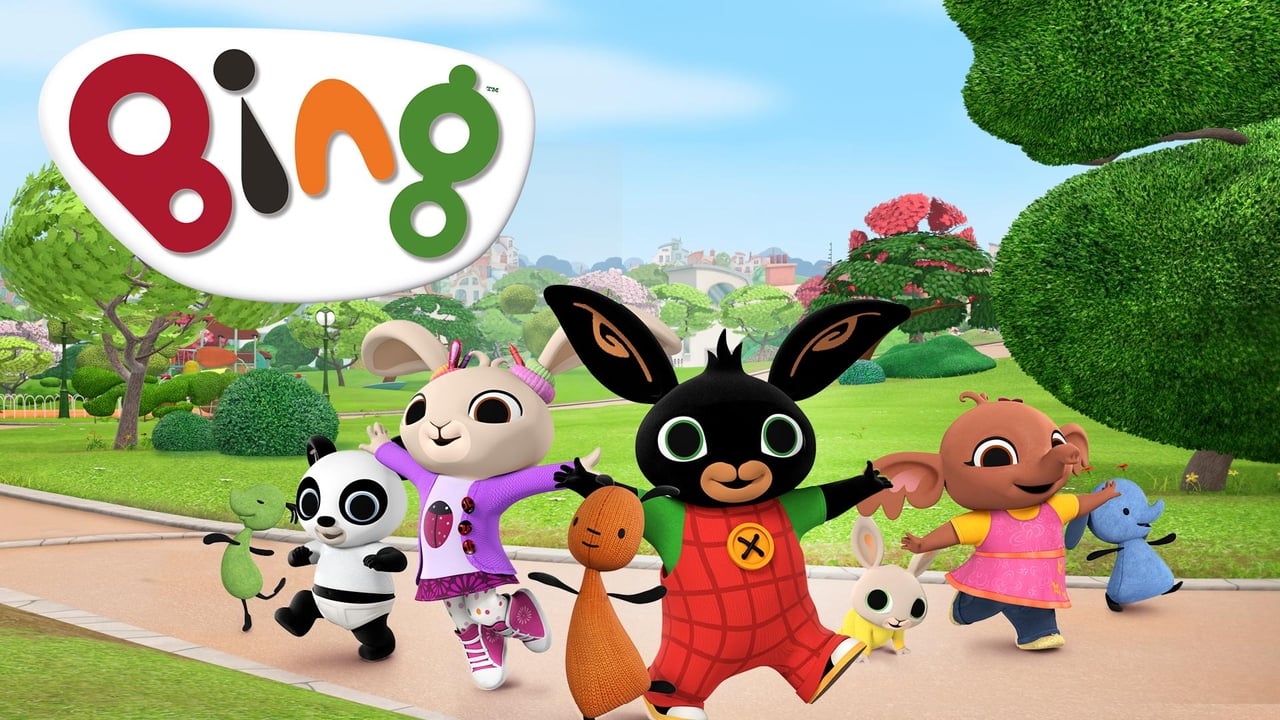
For adults in the room, the oddities add up quickly. The world is populated by giant, anthropomorphic toddler animals parented by pint-sized, woven sack creatures who speak in clipped, quiet tones. There are no actual parents around, only these tiny fabric guardians.
More practically, Bing's speech patterns involve deliberately broken grammar ("I did maked it") and occasional shrill tantrums. If your child is prone to copying behaviors they see on screen, you might find them adopting Bing's theatrical shrieks before they adopt Flop's calm problem-solving. Use it selectively when you want quiet, low-stimulation viewing that mirrors your child's immediate social world.