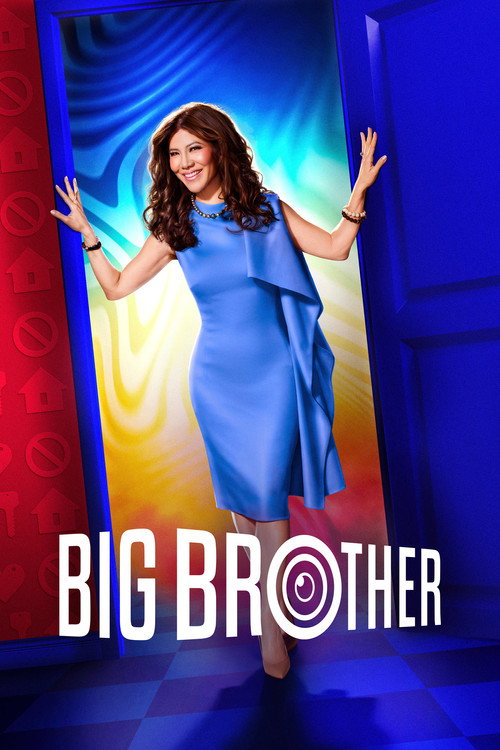
The Fishbowl Effect
When Big Brother first hit the US in 2000, it was a cultural shock. The idea of watching people sleep, eat, and argue in real-time was revolutionary. Fast forward to 2026, and we're all living a version of that on social media anyway, which makes the show feel both prophetic and painfully outdated.
The core of the show is the 'Head of Household' and 'Power of Veto' competitions, which turn the house into a literal playground. But the real game happens in the whispers in the storage room. For a parent, this is the most 'educational' part—watching how rumors start, how 'mobs' form to vote someone out, and how quickly people trade loyalty for safety.
The Live Feed Trap
One thing that sets Big Brother apart from Survivor or The Amazing Race is the live feeds. Fans can pay to watch the houseguests 24/7. This is where the show gets dicey. Because it's live, there's no editor to cut out the boring parts or the ugly parts. Over the years, the feeds have exposed deep-seated biases in contestants that the broadcast show tries to hide. If your kid is watching, they are going to see people at their absolute worst—bored, hungry, paranoid, and often unkind.
Is it worth the time?
Realistically? Probably not. A single season can have 30 to 40 episodes. That’s a lot of hours spent watching people do laundry and plot against each other. If you want a strategy game, play a board game. If you want drama, watch a scripted show with better writing. Big Brother is a relic of the early 2000s that survives on a very specific type of fandom. If your teen isn't already obsessed with reality TV 'tea,' they likely won't make it past the first three episodes.