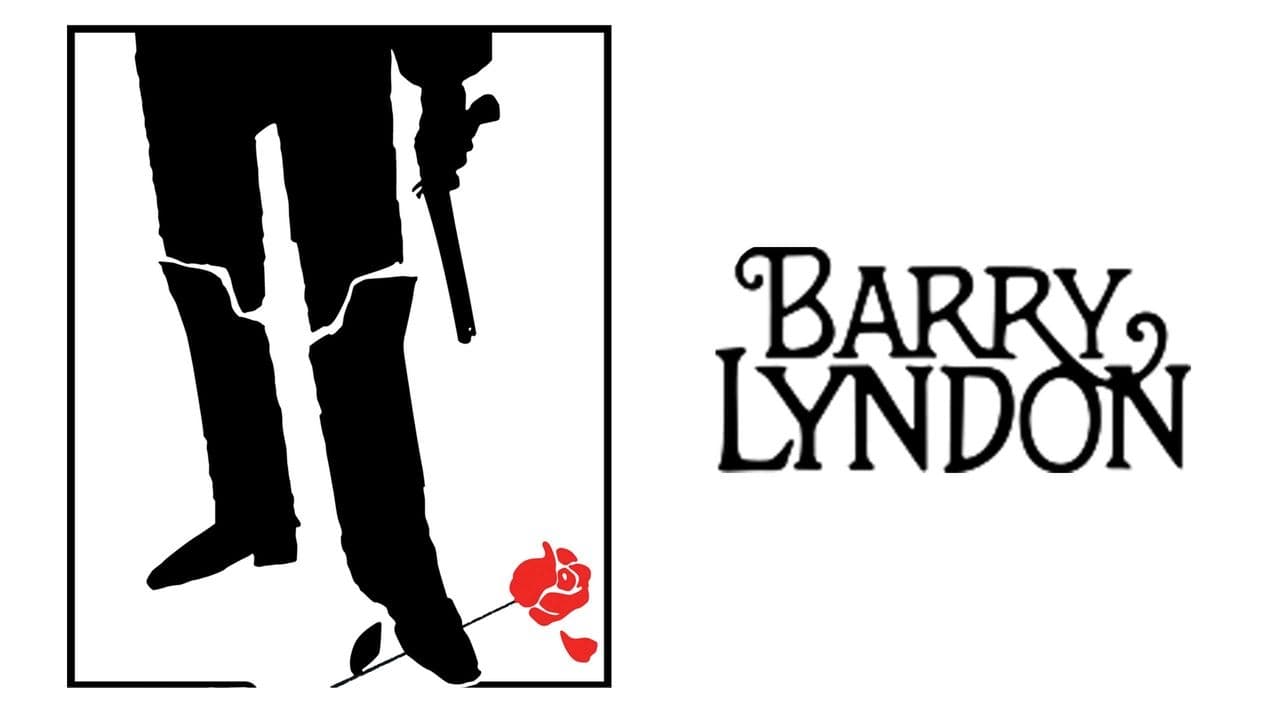
The Art of the Slow Burn
If you put Barry Lyndon on without context, younger viewers will check out within fifteen minutes. The film moves with the cadence of an 18th-century court procession. Kubrick explicitly avoided modern camera movement: almost every sequence begins in tight framing on an object or face before slowly, smoothly zooming out to reveal an enormous, impeccably staged landscape or salon.
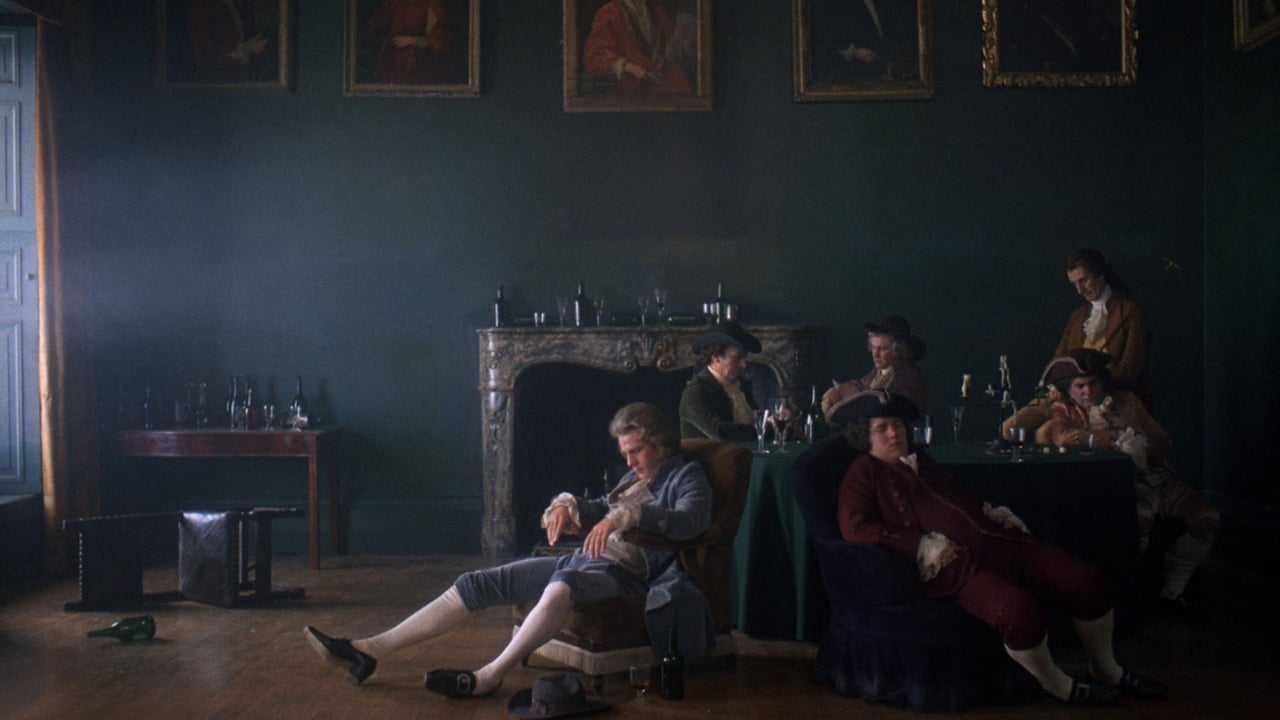
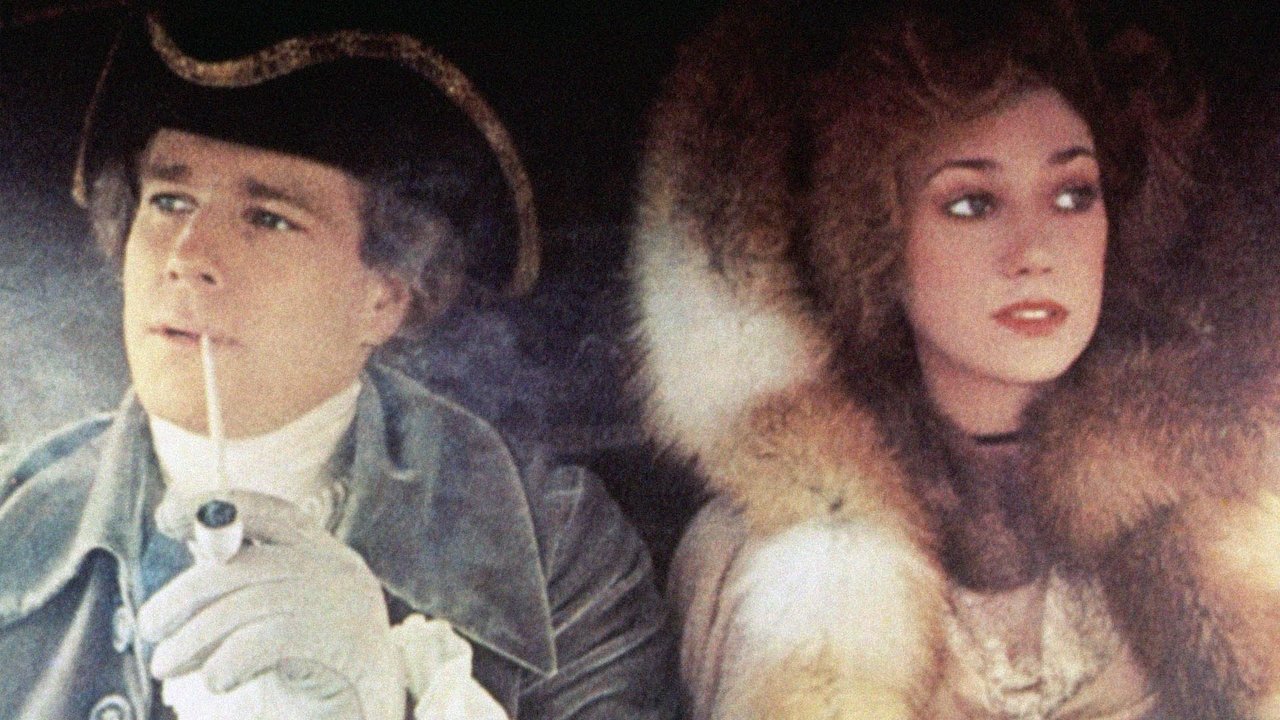
That formal patience is the whole reward. Kubrick famously adapted ultra-fast f/0.7 lenses developed for NASA's Apollo program so he could shoot night scenes without modern movie lights, relying entirely on dozens of beeswax candles. The result is a film that looks less like a movie and more like a collection of Gainsborough and Hogarth paintings come to life.
A Dispassionate Study of a Con Artist
Unlike modern costume dramas that root for the scrappy outsider to triumph over stuffy aristocrats, Kubrick treats Barry with cold, clinical irony. A detached, omniscient voiceover spoils Barry's fate long before it happens, stripping away cheap suspense in favor of inevitability.
Barry lies to join the British army, deserts, gets forced into the Prussian military, acts as a spy, turns into a professional gambler, and seduces an ultra-wealthy countess. Once he achieves status, he squanders it through vanity and spite. It is an extraordinary case study in how vanity hollows people out, and older teens who study literature or film will find plenty to talk about long after the credits roll.