The visual bait and the "TouchDrive" reality
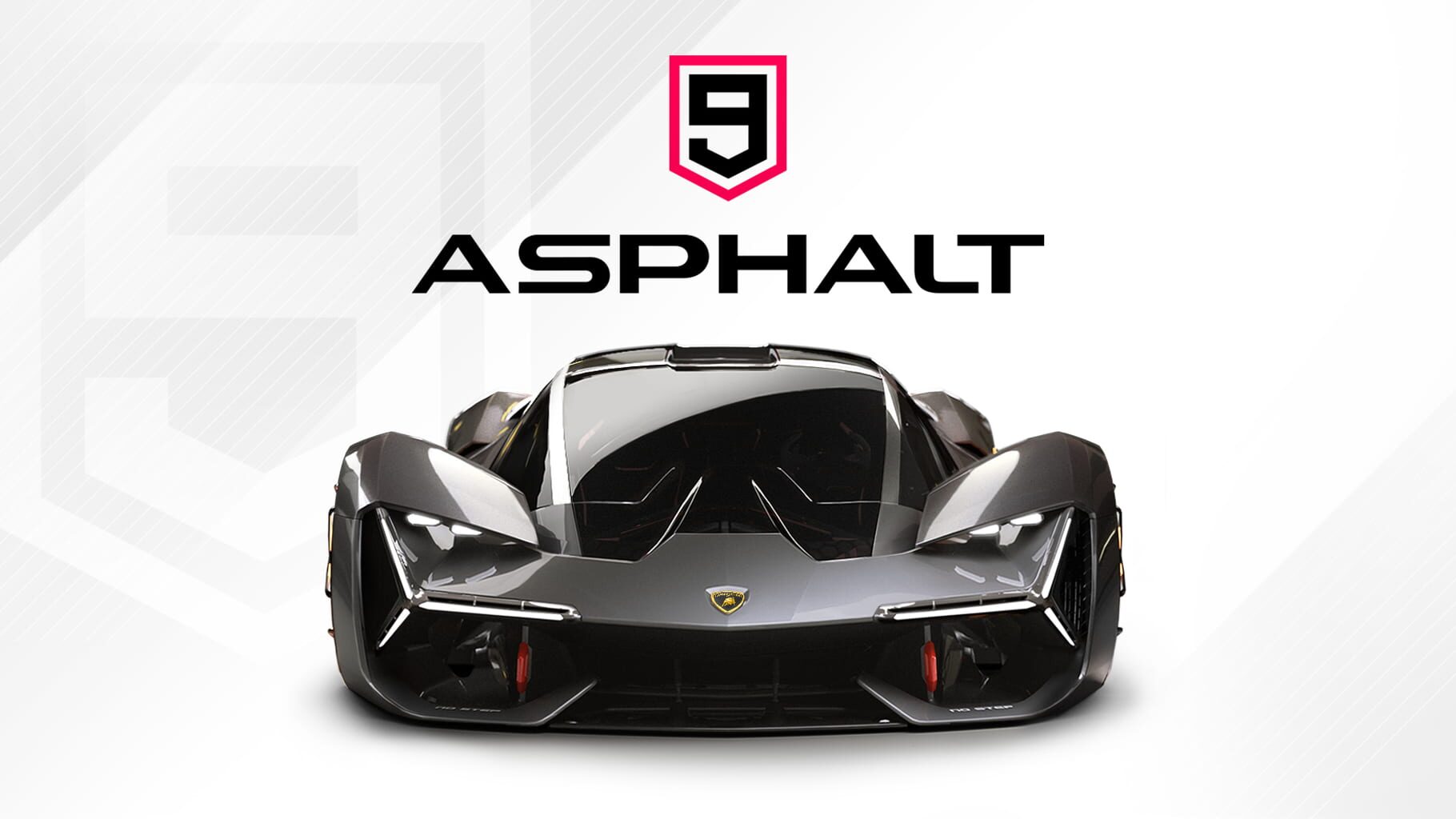
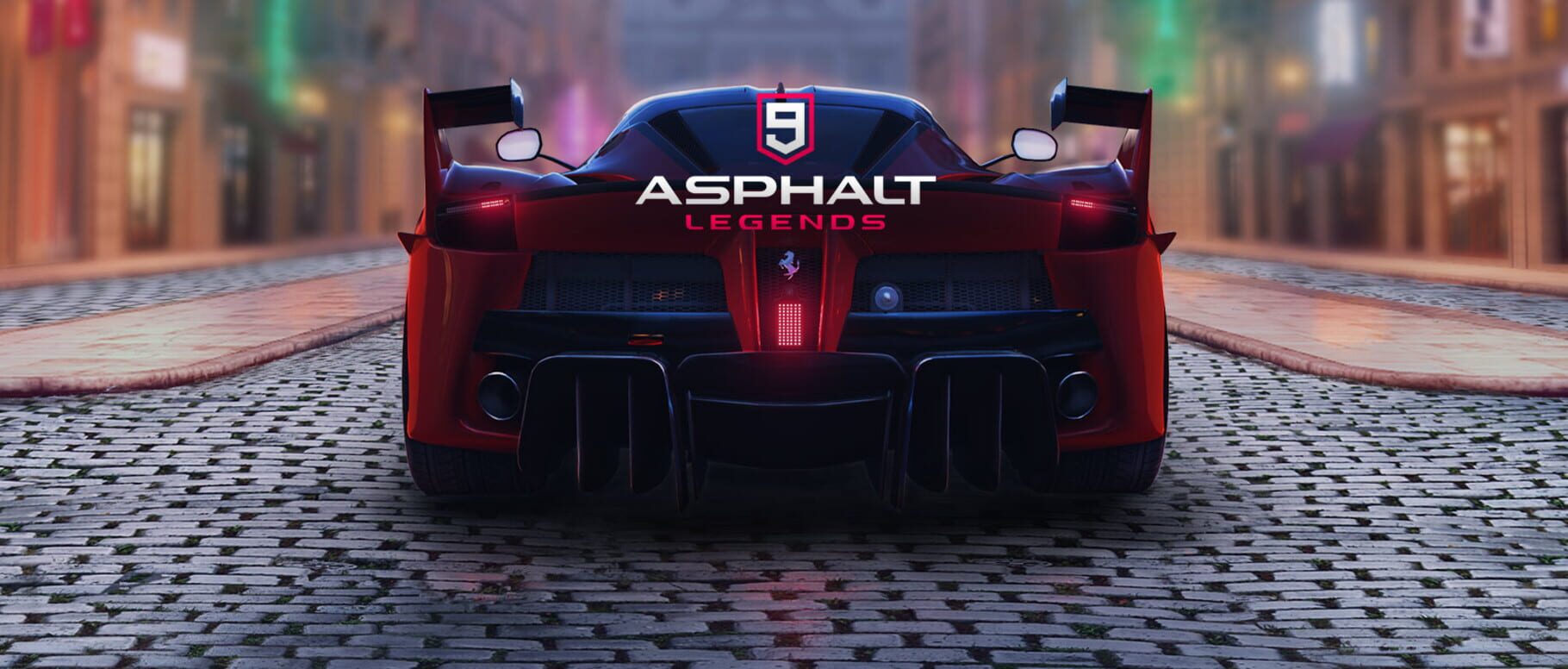
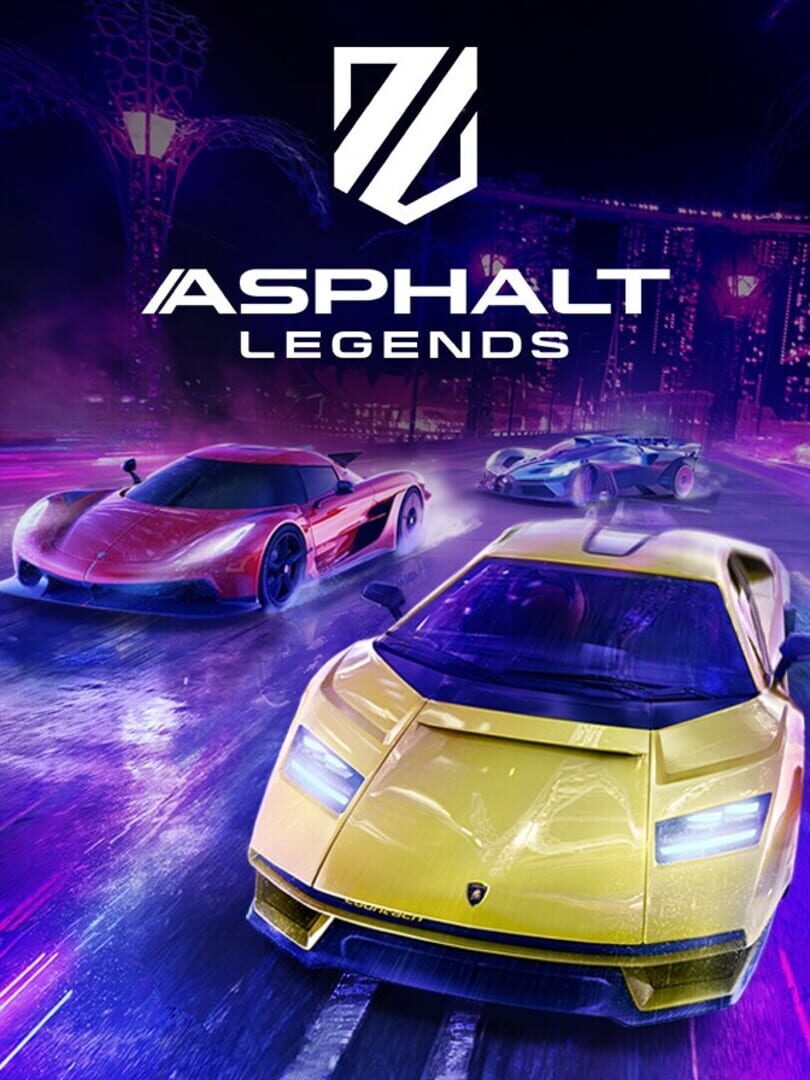
If your kid has seen a trailer for this, they probably think it looks like a blockbuster movie. They aren't wrong. Gameloft built something that pushes mobile hardware to its absolute limit, and on a console like the Xbox Series X or PS5, it looks spectacular. The sparks fly, the rain beads on the hood of a Lamborghini, and the sense of speed is genuinely dizzying.
The biggest mechanical twist here is TouchDrive. It’s essentially an autopilot mode where the game handles the steering and the player just swipes to change lanes, drifts, or hits the nitro. For a six-year-old who usually spends Mario Kart sessions driving into walls, this is a revelation. They feel like a pro immediately. But for older kids, it can make the game feel like a glorified rhythm game rather than a true racer. If you want to know more about how this fits into the broader landscape, check out our guide on Asphalt Legends: High-Speed Racing or a High-Stakes Cash Grab?.
Blueprints over finish lines
The most important thing to understand about the Asphalt loop is that winning a race doesn't mean you "get" the car. You get blueprints. You might need 30 blueprints to unlock a Porsche, and a race might reward you with one. This is where the friction lives. The game is designed to make the "free" path feel like a crawl so that the "paid" path looks like an escape hatch.
This creates a specific kind of gaming session: the "check-in." Because of the fuel system (cars have limited runs before they need to "recharge" over real-world time), kids tend to play in short, intense bursts. It’s not a game they’ll play for four hours straight because the game literally won't let them without a credit card. If you are trying to navigate these kinds of racing games for kids, it’s worth talking to them about why the game is making them wait. It isn't a technical limitation; it's a psychological one.
Where this fits in the garage
If your kid is obsessed with the technical side of cars—the specs, the brands, the roar of a Ferrari engine—they will find a lot to love here. The roster is world-class. However, if they actually want to drive and improve their skills, this might frustrate them. The physics are pure arcade; you can 360-spin through the air like a fighter jet, which is cool but won't teach them anything about racing lines.
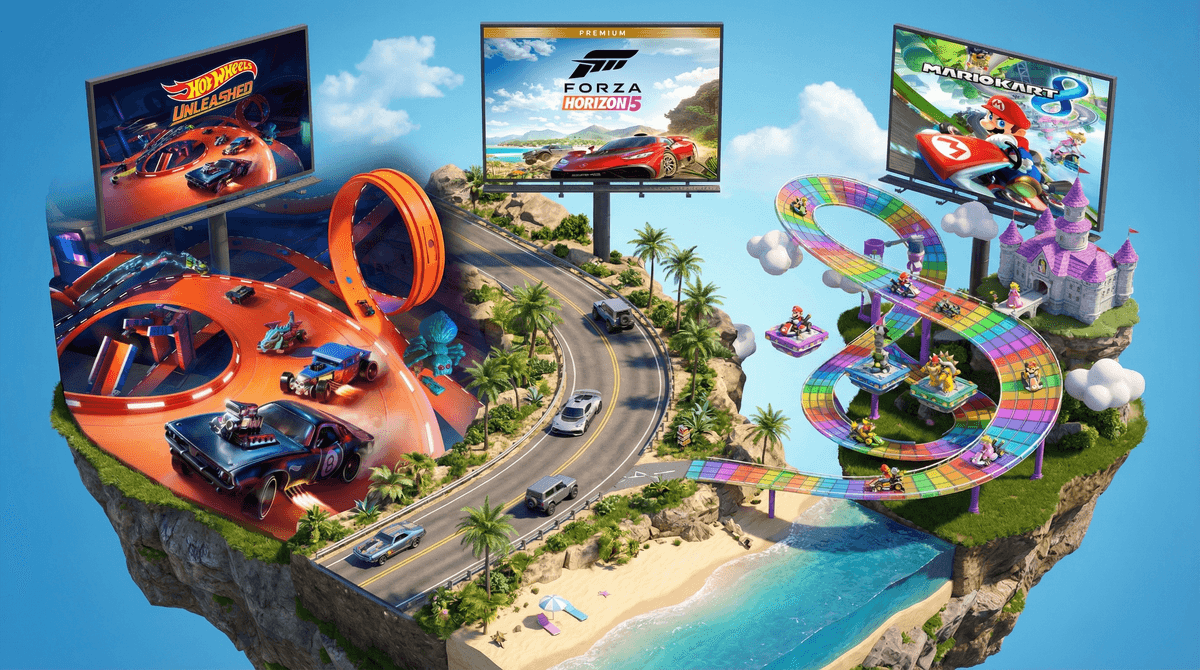
For parents looking to steer their kids toward something with a bit more soul and a bit less "storefront," there are plenty of car racing games for kids that offer a one-time purchase price and a much more rewarding sense of progression. Asphalt 9 is the flashy, loud, expensive Las Vegas residency of racing games. It’s a blast for a weekend, but you probably don't want to live there.
If they do stick with it, watch for the "Legend Pass" and the seasonal events. These are the primary ways the game tries to convert a casual player into a subscriber. It’s a high-quality product, but the "free" price tag is the most expensive thing about it.