Mobile Comfort with Free-to-Play Hooks
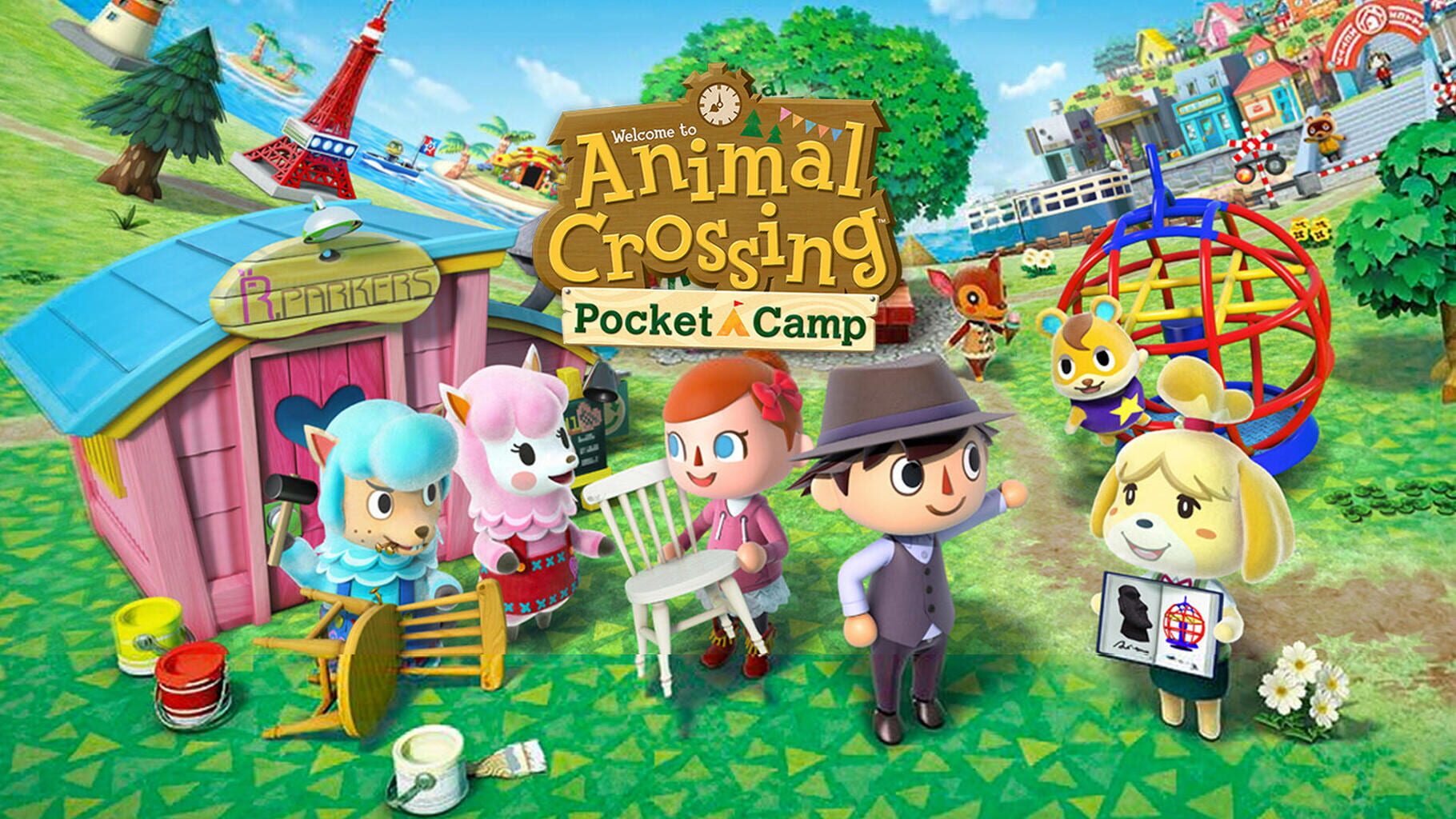
Animal Crossing: Pocket Camp distills the classic franchise down to its core loop: collect fish, catch bugs, pick fruit, deliver them to friendly animal villagers, and use your rewards to craft furniture for your campsite. For kids who love decorating and collecting, it offers quick hits of cozy satisfaction.
The critical difference between this mobile title and console classics like Animal Crossing: New Horizons is how progress is structured. Console versions operate on real-world seasonal time, encouraging a daily 20-minute check-in. Pocket Camp operates on mobile F2P time, where craft timers scale up to hours or days, and Leaf Tickets exist as the skip button.
The Social and Safety Layer
Unlike many mobile social games, Nintendo intentionally locked down communication. Players can share friend codes, visit each other's campsites, send simple stamps, and buy fish or fruit from market boxes. There is no open text chat or direct messaging. You never have to worry about a stranger talking to your kid in Pocket Camp.
How to Handle Monetization
The biggest friction point is the Fortune Cookie cart. These are paid loot boxes containing themed sets of gear with explicit rarity tiers. If your kid is susceptible to collection completionism, these cookies are designed to trigger FOMO.
The move here is administrative: disable in-app purchases in iOS Screen Time or Google Play controls before handing over the phone. Once the temptation to buy Leaf Tickets with real money is removed, kids learn to accept the wait timers or focus on crafting items using standard in-game bells.