The Book vs. The Screen
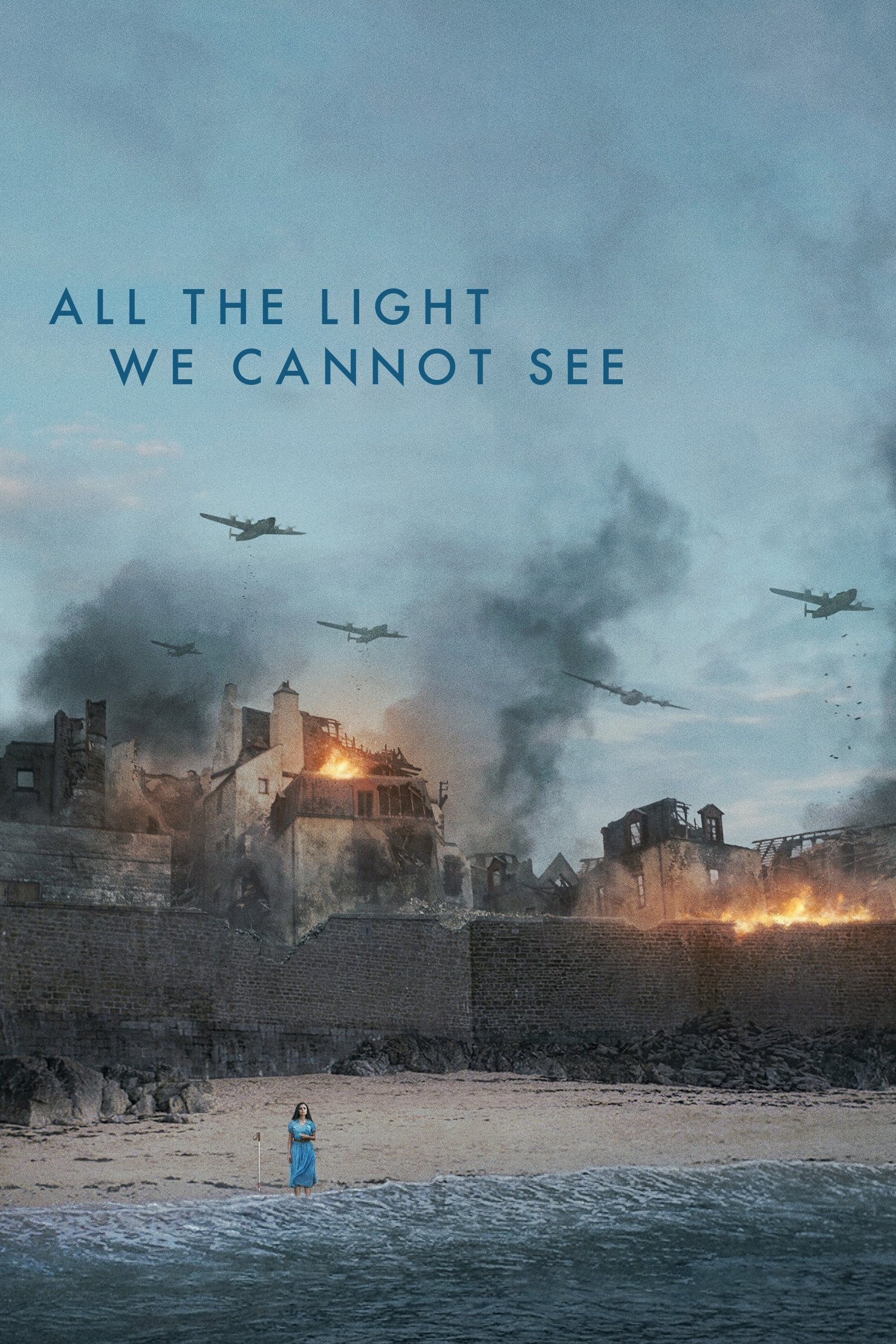
There is a massive gap between how critics and audiences received this one. Critics (at a dismal 28% on Rotten Tomatoes) felt the show was too 'on the nose' and lacked the lyrical depth of the source material. Audiences, however, largely loved it. Why the split? Because as a standalone piece of television, it's an emotional, high-stakes thriller. As an adaptation of a literary masterpiece, it's a bit of a letdown.
Why It's Worth the Watch
Despite the clunky dialogue, the core of the story remains powerful. The parallel lives of Marie-Laure and Werner—one using radio to find hope, the other forced to use it to hunt 'enemies'—is a fantastic setup for talking about technology and ethics. Werner isn't a hero, but he's a useful character for kids to analyze: he's a 'technician' who tries to ignore the human cost of his work until he can't anymore.
A Note on Representation
One of the best things about this production is the casting of Aria Mia Loberti. In a world where disability is often 'acted' by able-bodied people, having a blind protagonist played by a blind woman adds a layer of physical intelligence to the performance that you can't fake. Her navigation of the scale model of the city isn't just a plot point; it's a window into how she perceives the world.
If your kid is a fan of historical fiction like The Book Thief or Refugee, this is a natural next step. Just keep the remote handy for a few of the more intense Nazi-centric scenes in the middle episodes.