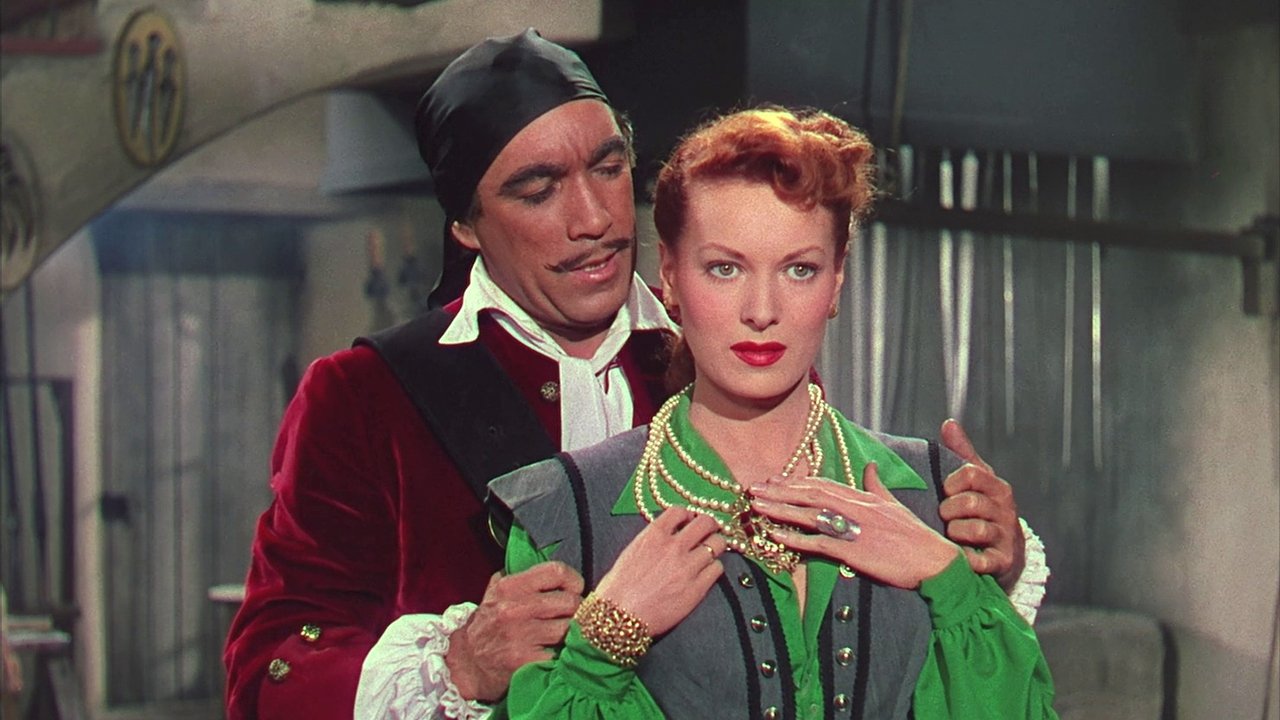
The Last of the Great Swashbucklers
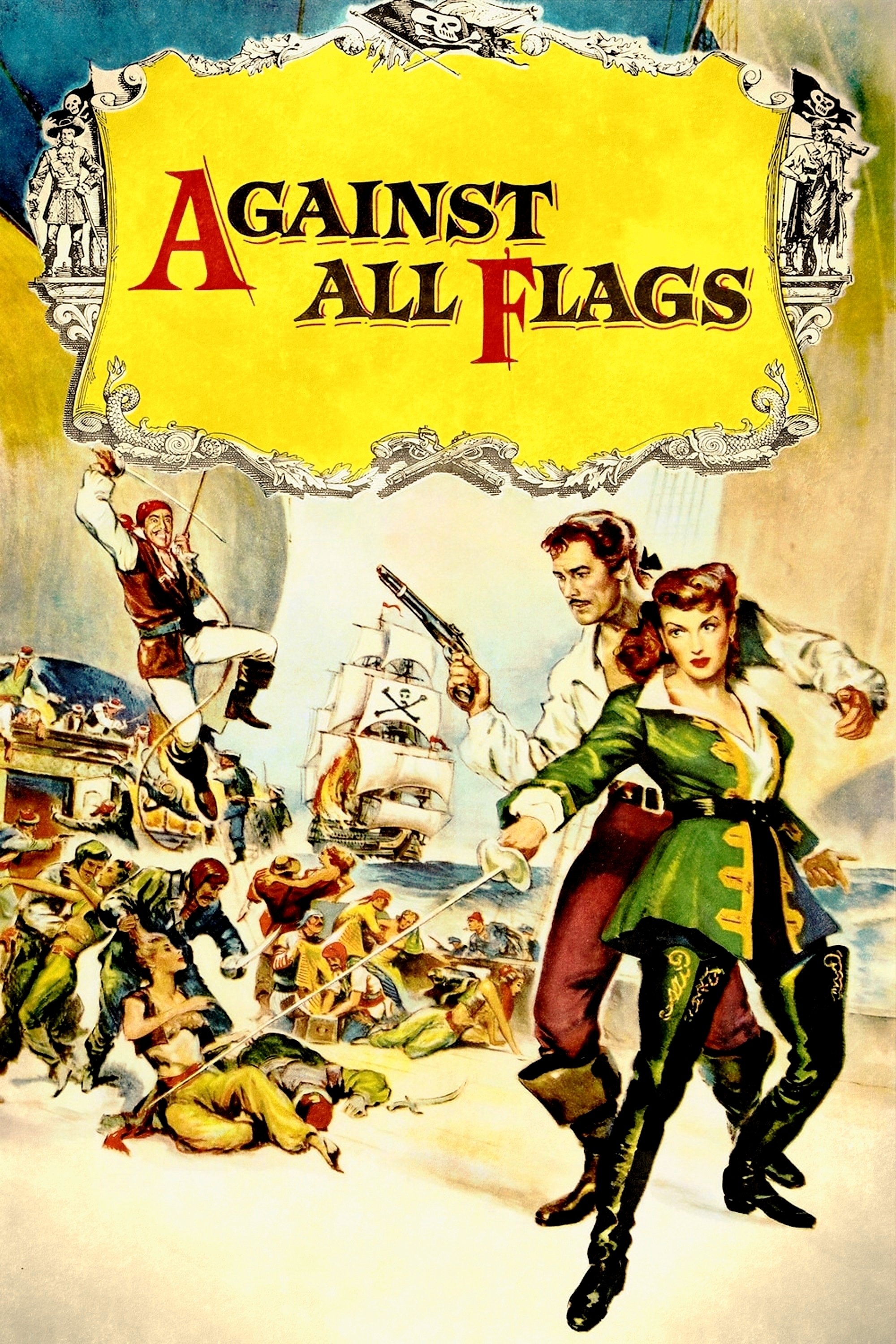
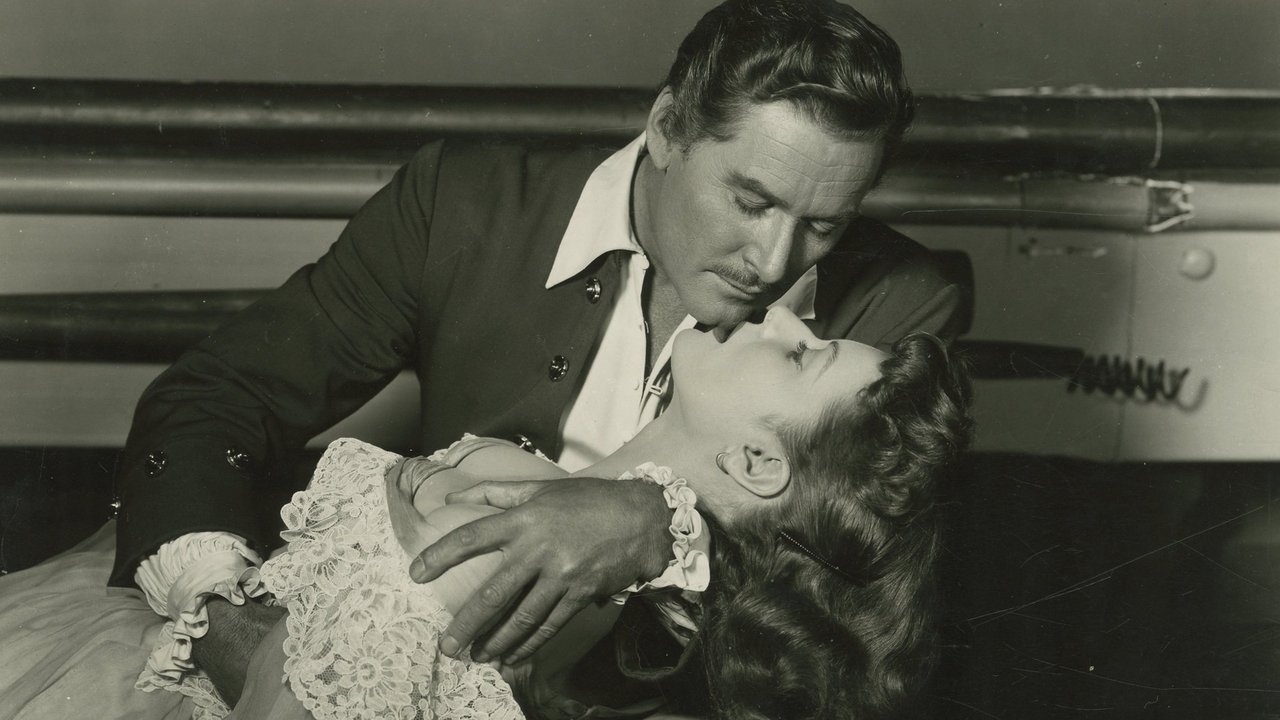
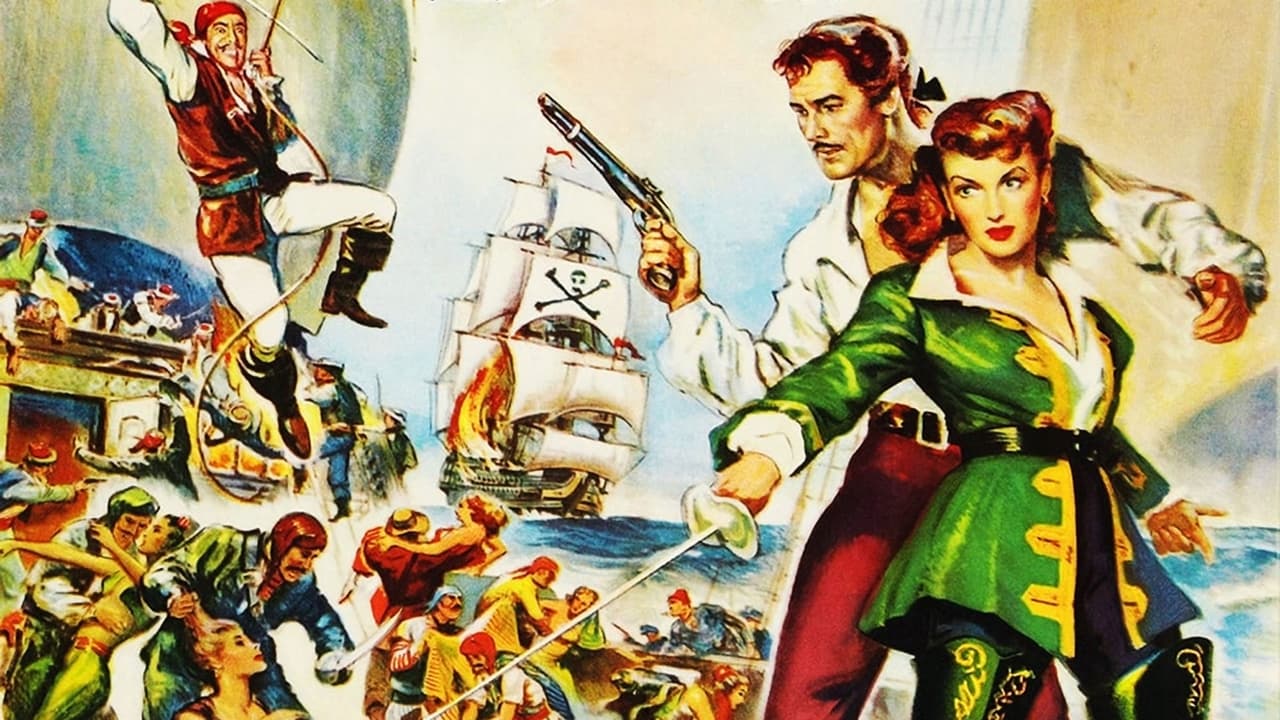
By 1952, the era of the great Hollywood swashbuckler was winding down, and Against All Flags feels like a victory lap for the genre. Errol Flynn was no longer the young man from The Adventures of Robin Hood, but he still possessed the screen presence to carry a naval espionage plot.
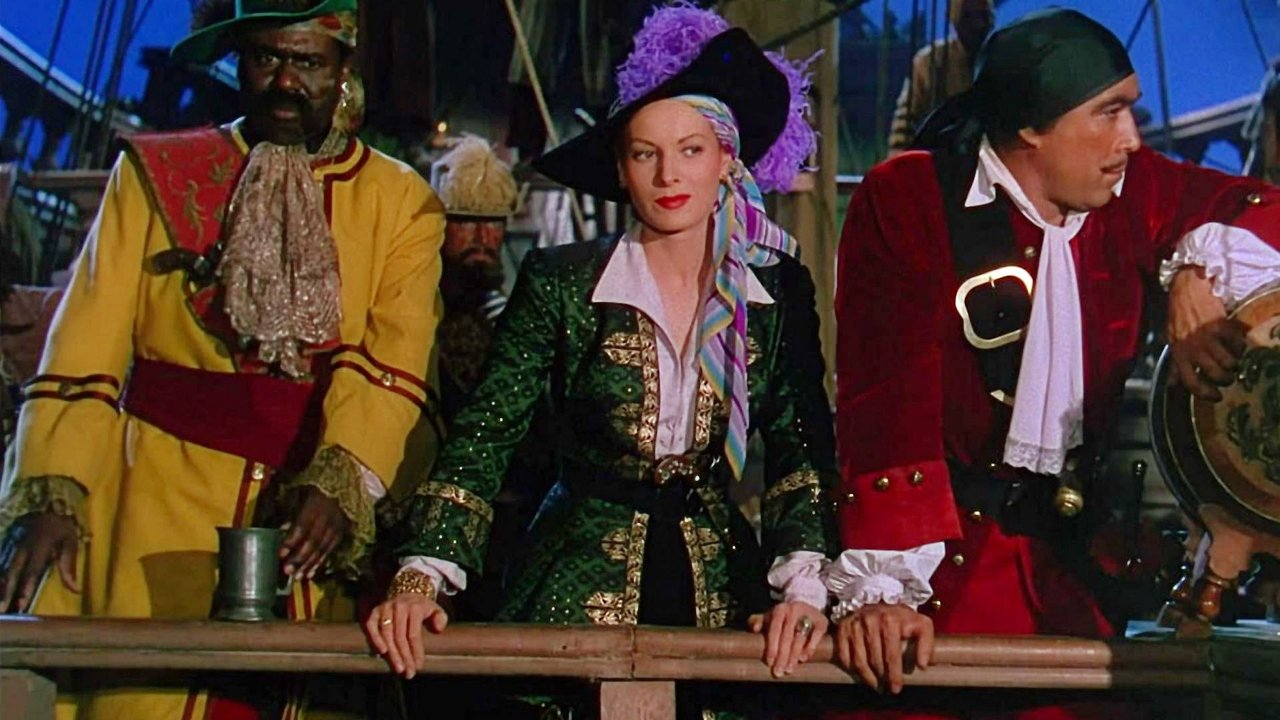
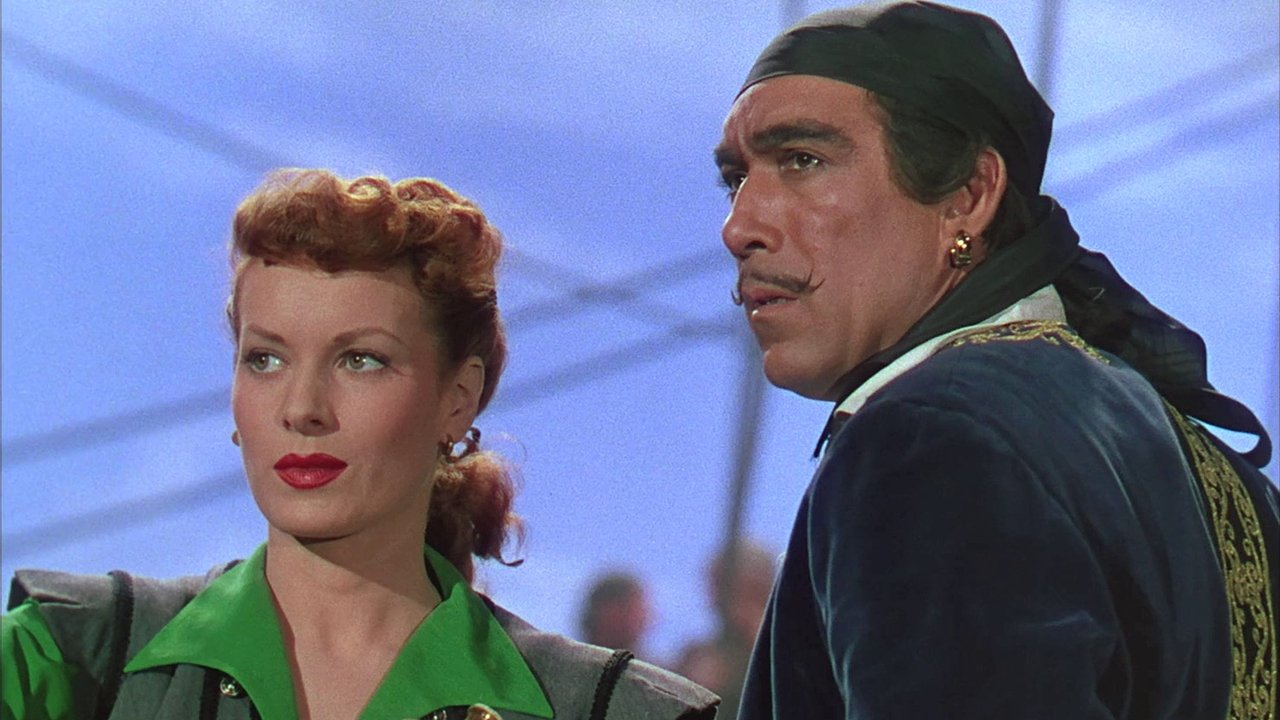
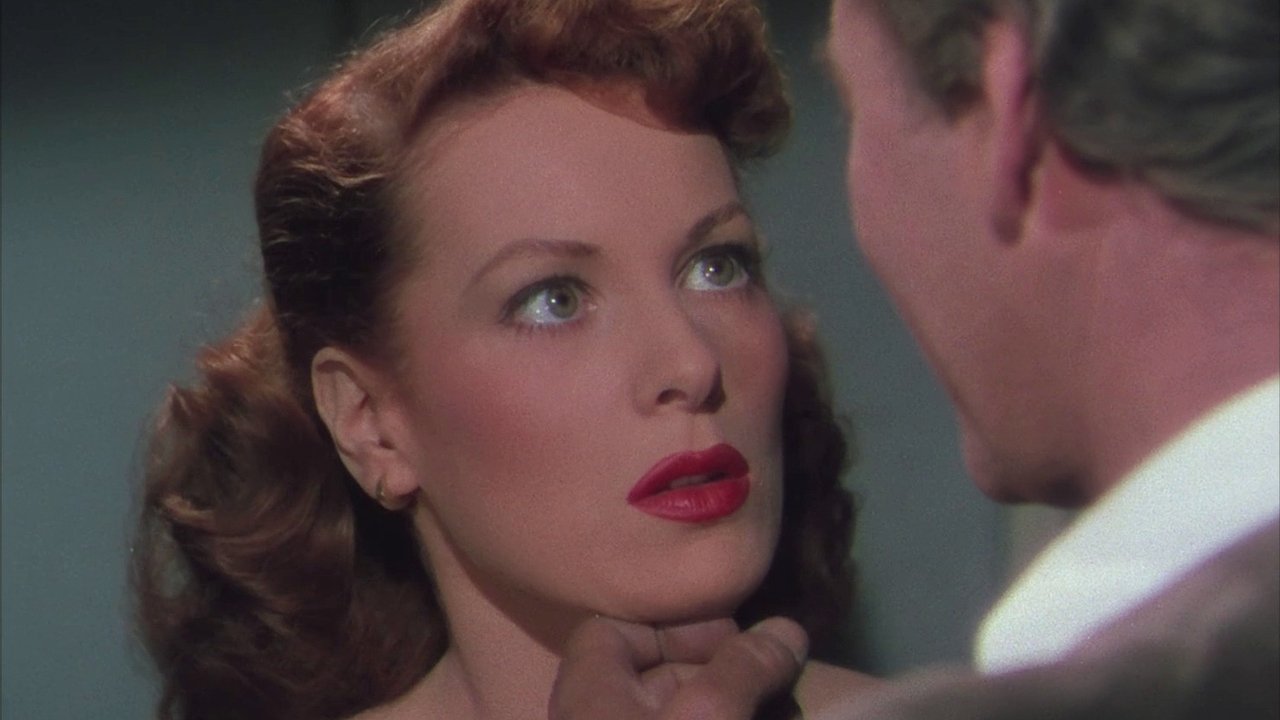
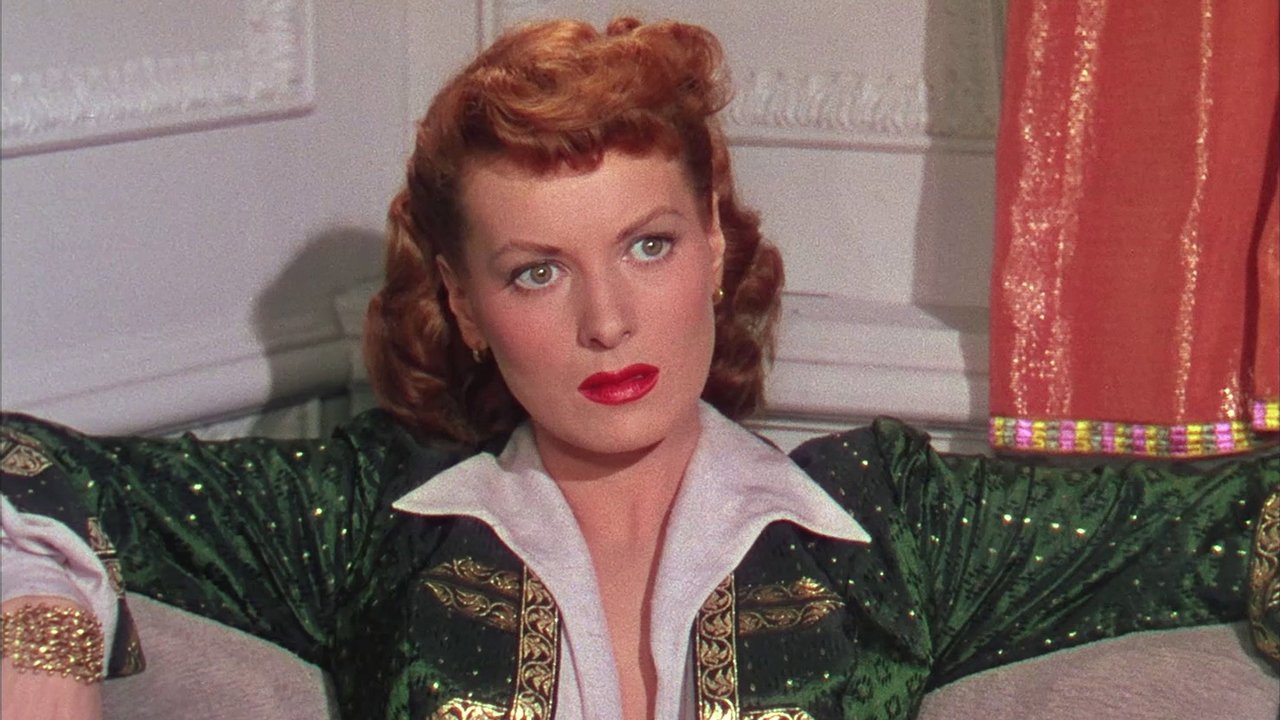
The real standout here, however, is Maureen O'Hara. In an era where female characters were often relegated to being the prize at the end of the movie, her character, 'Spitfire' Stevens, is a legitimate threat on the deck of a ship. She fences, she commands, and she doesn't take much nonsense from Flynn’s character. For a parent looking to show that girls have always been part of the adventure genre, O'Hara is a great historical example.
History vs. Hollywood
The movie touches on the real-world 'Republic of Libertatia,' a legendary (and likely fictional) pirate utopia in Madagascar. While the film doesn't dive into the political philosophy of pirates, it's a fun jumping-off point to talk about the 'Golden Age of Piracy.' The British Navy's obsession with 'cleaning up' the Indian Ocean provides a bit of geopolitical context that you can use to explain why the world looks the way it does today.
Don't expect Pirates of the Caribbean levels of supernatural flair. This is grounded in the physical stunts of the time—real people climbing real rigging and swinging real (if blunt) swords. It’s a great way to show kids how movies were made before everything was done in front of a green screen.