The ultimate scientific flex
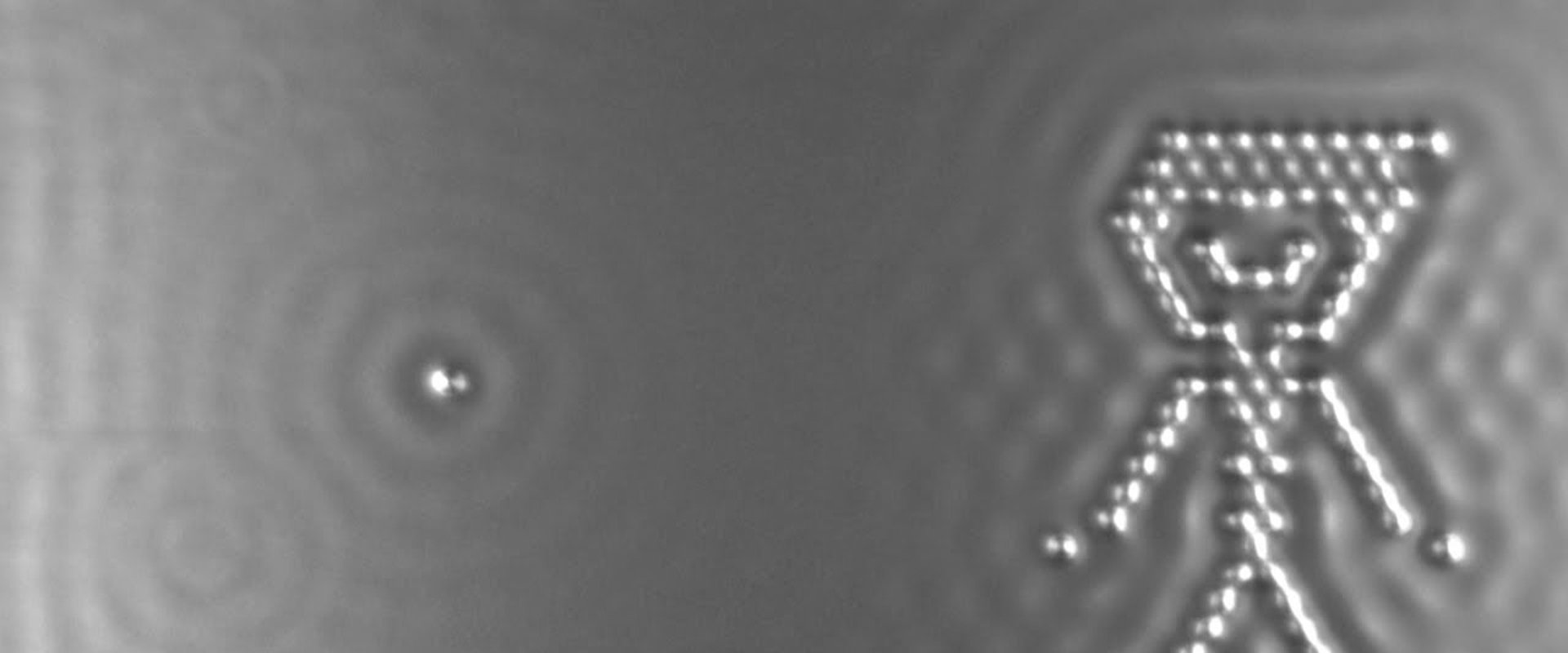
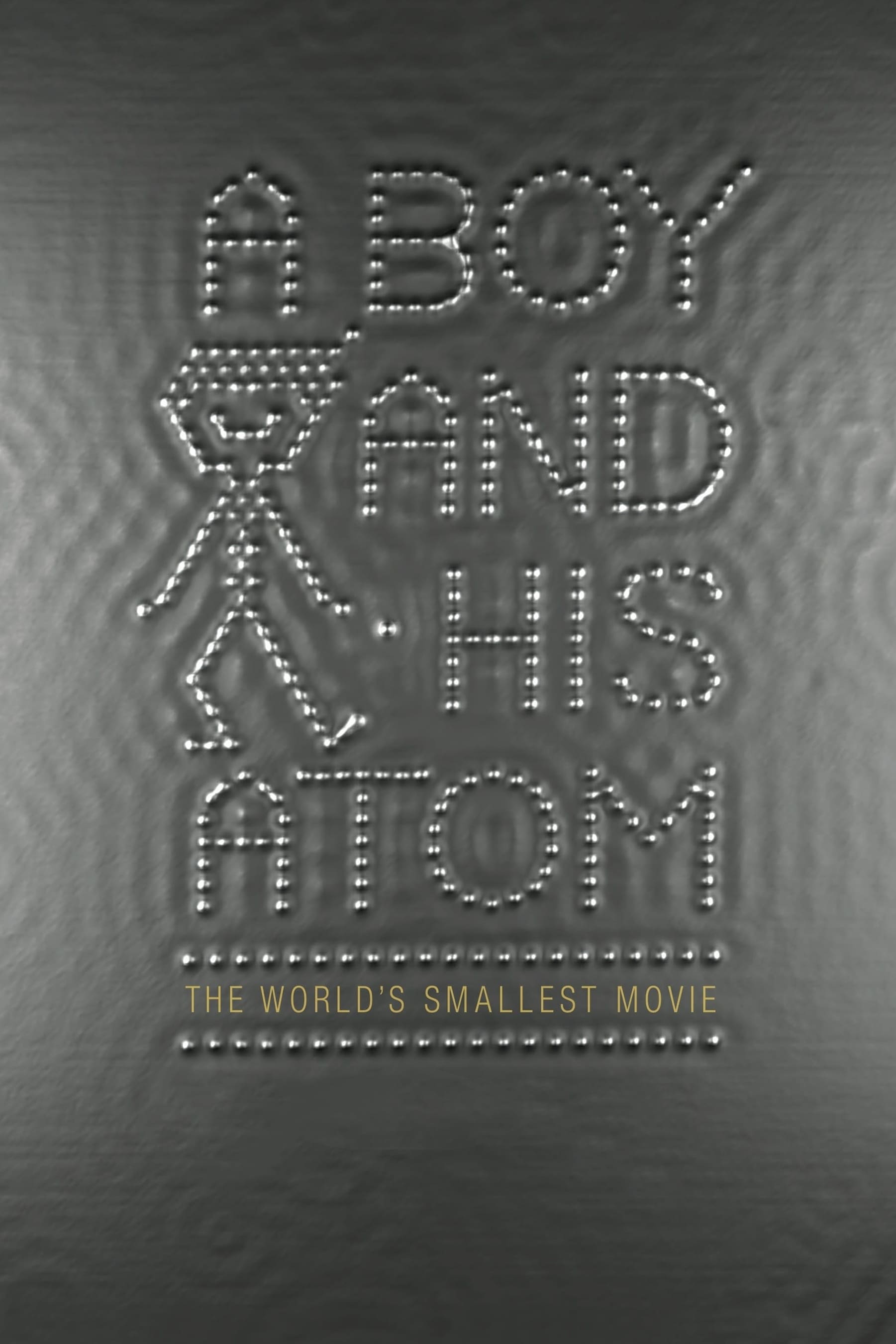
You’ve seen stop-motion animation with clay, LEGO bricks, or even paper cutouts. This is different. The "actors" in this film are individual oxygen atoms. When IBM released this in 2013, it wasn't trying to win an Oscar for Best Original Screenplay; it was showing off. The researchers used a scanning tunneling microscope to nudge atoms into place on a copper plate, creating a film so small it can only be seen when magnified 100 million times.
It’s a 90-second flex that still holds up because we haven't exactly started making atom-scale Pixar sequels yet. This is the kind of thing you show a kid who has just started asking what the world is actually "made of." It turns a concept that is usually stuck in a boring textbook into something that looks like a vintage Game Boy game.
Don't expect a Pixar plot
If you look at the Letterboxd reviews, users like Diogo Rocha point out the obvious: there isn't much character development here. The boy doesn't have a tragic backstory or a hero's journey. He just bounces a ball, dances, and jumps on a trampoline. If you try to pitch this as the main event for a family movie night, you’ll have a mutiny on your hands before the 60-second mark.
The friction for a viewer isn't the story; it's the visual simplicity. Because the creators were working with the literal building blocks of the universe, the resolution is extremely low. It looks like a series of blurry dots because, well, that's what atoms look like when you're poking them with a tiny needle in a lab cooled to nearly absolute zero.
How to sell it to your kid
Treat this like a magic trick rather than a cinematic experience. Show the film first without explaining what it is. Your kid will probably think it’s a poorly made animation from the 1970s. Then, hit them with the reality: every single dot on that screen is an actual atom.
For the kids who are obsessed with how things are made—the ones who watch the "behind the scenes" features of every movie they see—this is a goldmine. The project leader, Andras J. Heinrich, and his team weren't just making a cartoon; they were demonstrating how data might be stored in the future. If your kid liked the tactile feel of Marcel the Shell with Shoes On or the technical precision of a complex LEGO Technic build, they’ll appreciate the sheer "how did they do that?" energy of this project.
It’s the perfect "car ride" or "waiting for a table" video. It’s short enough to hold a five-year-old’s attention but weird enough to make a teenager look up from their phone. Just be prepared for the follow-up questions about why we can't see atoms with our eyes if they're right there on the screen.