

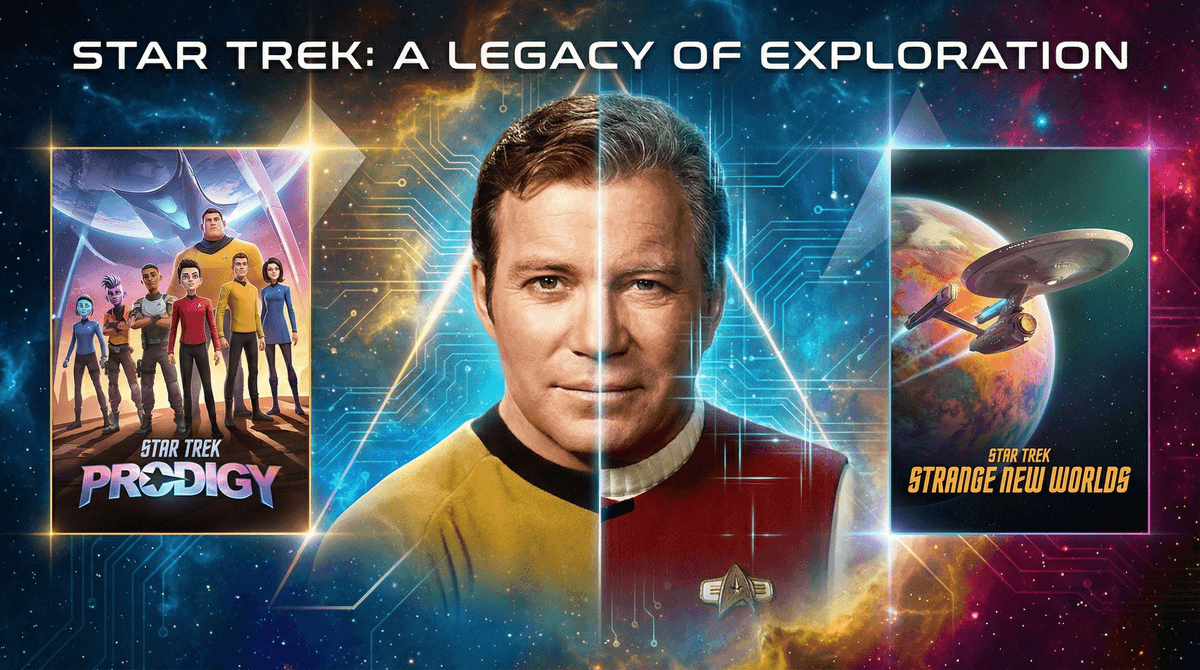
William Shatner's 2024 Star Trek Projects: What Families Should Know
TL;DR: William Shatner's recent Star Trek work includes a controversial AI-powered documentary where he's digitally de-aged, plus several retrospective projects. If your kids are getting into Star Trek or you're wondering whether these new projects are family-friendly entry points, here's what you need to know about the 93-year-old actor's latest ventures and whether they're worth your time.
In 2024, Shatner appeared in "765874: Unification," a short film that uses AI de-aging technology to make him look decades younger as Captain Kirk. The 10-minute project was created for the OTOY cloud rendering company and premiered at various film festivals. It's essentially a tech demo wrapped in Star Trek nostalgia—impressive visual effects showcasing what AI can do with human faces, packaged as an emotional Kirk story.
He's also been doing the interview circuit pretty heavily, appearing in various Star Trek retrospectives and documentaries. Most notably, he's featured prominently in Paramount+'s ongoing Star Trek documentary series and has been vocal (as always) about his complicated relationship with the franchise and his former castmates.
The de-aging thing is... a lot. On one hand, it's genuinely impressive technology. On the other hand, it raises questions that are absolutely worth discussing with older kids (ages 12+) who are interested in filmmaking, AI, or ethics:
- What does it mean when we can make actors look any age? This isn't just movie magic anymore—it's AI trained on someone's entire physical appearance.
- Who owns someone's face? Shatner participated willingly, but this technology exists now for anyone with enough footage.
- Is this actually serving the story, or is it just because we can? The short film is fine, but would it exist without the tech gimmick?
If your teen is into AI and digital ethics, this is actually a pretty accessible case study. The stakes are lower than deepfakes or political misinformation—it's Captain Kirk looking young again—but the technology and implications are the same.
Here's where I'm going to be real with you: most of Shatner's 2024 output is for adults who grew up with original Star Trek. The AI short is technically impressive but emotionally hollow. The retrospectives are interesting if you care about behind-the-scenes drama from a 1960s TV show.
However, if your family is already into Star Trek, these projects can serve as conversation starters:
Ages 8-11
Skip the new stuff entirely. If they're interested in Star Trek, start them with Star Trek: Lower Decks (the animated comedy series) or Star Trek: Prodigy (specifically made for kids). Both are actually excellent and don't require 60 years of franchise knowledge.
Ages 12-15
The AI de-aging short could be interesting to watch together, if you frame it as a technology discussion rather than entertainment. It's only 10 minutes, it's free on YouTube, and it's a perfect example of "impressive tech, questionable artistic merit." Watch it, then talk about what they noticed, what felt real or fake, and whether they think this is cool or creepy.
The retrospective documentaries are fine for this age if they're already Trek fans, but they're pretty dry. Lots of talking heads discussing production details from before their parents were born.
Ages 16+
At this point, they can handle whatever. The AI ethics discussion becomes more sophisticated—talk about consent, digital legacy, what happens to an actor's likeness after they die. Shatner is 93; this technology will outlive him. What does that mean?
If your kid is expressing interest in Star Trek because of these Shatner headlines, great! Star Trek is genuinely one of the better sci-fi franchises for families—it's fundamentally optimistic and explores complex moral questions without being preachy.
But don't start with Shatner's new stuff. Here's the actual family-friendly entry point:
For younger kids (8-12): Star Trek: Prodigy is legitimately great. It's on Netflix, it's animated, and it was specifically designed as a kids' introduction to Trek. No prior knowledge needed.
For tweens/teens (12+): Star Trek: Strange New Worlds is the current live-action series that's most accessible. It's episodic (you can watch episodes out of order), optimistic, and well-made. It's on Paramount+.
For the whole family: The Chris Pine Star Trek movies (2009, 2013, 2016) are action-packed and don't require homework. They're rated PG-13 for sci-fi violence and some language, but they're solid family movie nights for ages 11+.
William Shatner is... a character. He's been famously difficult, publicly feuded with most of his Star Trek castmates (he wasn't invited to Leonard Nimoy's funeral and has expressed regret about their relationship), and has a reputation for being self-centered. This is all well-documented and he's been relatively open about it in recent years.
Why does this matter for parents? Because if your kid gets into Star Trek deeply enough to start reading about it online, they're going to encounter this stuff. The behind-the-scenes drama is part of Trek fandom culture.
It's actually a decent opportunity to talk about how:
- People can create meaningful art while being personally difficult
- Nostalgia can make us overlook problematic behavior
- Getting older sometimes means publicly reckoning with how you treated people
Shatner's recent interviews show someone who seems to be genuinely reflecting on his legacy and relationships, which is... something? He's not a villain, but he's not Captain Kirk either.
If you do watch the de-aging short with your teen, here are some questions worth asking:
Technical questions:
- How do you think they made this? What did they need to train the AI?
- What looks realistic? What still looks fake?
- Could you tell it was AI if you didn't know beforehand?
Ethical questions:
- Should actors be able to sell their likeness to be used after they die?
- What if an actor doesn't consent but the technology exists anyway?
- Is this different from CGI or makeup effects? Why or why not?
Artistic questions:
- Does the story actually need Shatner to look young?
- Would this be better with an older Kirk, or a different character entirely?
- Is this fan service or genuine storytelling?
These aren't questions with right answers, which makes them perfect for family discussion. Your 13-year-old might have insights about digital authenticity that surprise you.
William Shatner's 2024 Star Trek projects are mostly interesting as cultural artifacts and technology demonstrations, not as entertainment. The AI de-aging is technically impressive but raises more questions than it answers. The retrospectives are for die-hard fans only.
If your kid is interested in Star Trek: Start with Star Trek: Prodigy or Strange New Worlds, not the Shatner stuff.
If your teen is interested in AI and digital ethics: The de-aging short is a 10-minute case study worth discussing together. Just don't expect it to be emotionally satisfying.
If you're nostalgic for original Trek: The retrospectives might scratch that itch, but your kids will probably be bored.
The real value here isn't in the content itself—it's in the conversations it can spark about technology, aging, legacy, and what we choose to preserve from the past. Which, honestly, is pretty Star Trek when you think about it.
- Check out our guide to Star Trek shows for families if you want to explore the franchise together
- Read about talking to kids about AI and deepfakes for a broader discussion framework
- If your teen is into filmmaking, explore movies that teach visual effects and technology
The Shatner stuff is a footnote in Star Trek history, but the franchise itself? Still worth exploring with your kids. Just maybe skip straight to the good parts.