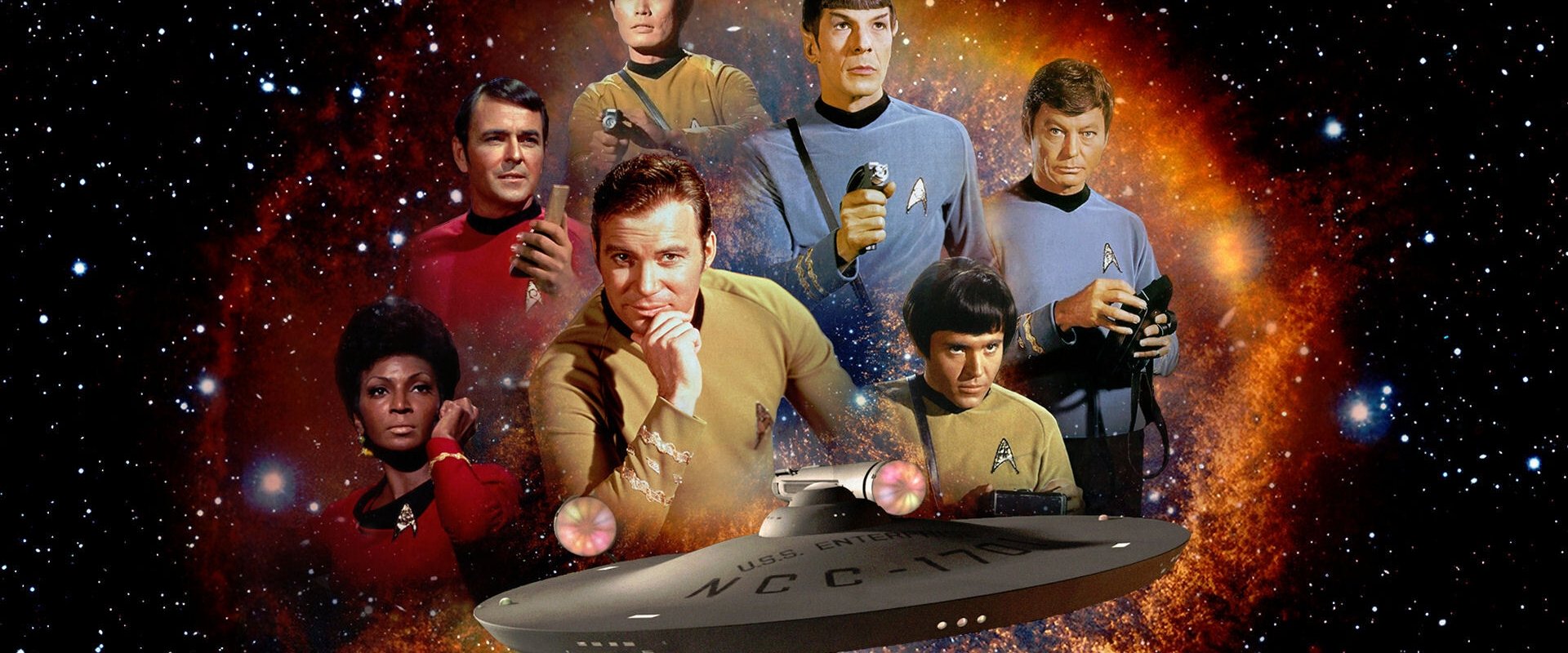

Star Trek: The Original Series

Star Trek: The Original Series

show

TV-PG, 1966, Sci-Fi & Fantasy, Drama

WISE
68%

WISE Score

89

Avg. Tomatometer

The show that invented modern sci-fi—if your kid can handle the 60s cheese, cardboard sets, and Shatner's dramatic...pauses.

IMDb8.4
RT Critics89%
TMDB8.0
Common Sense Media
Where to Watch
Loading streaming options...
Screenwise Verdict

Here's the truth: Star Trek: TOS is incredibly important and genuinely enriching... and also nearly unwatchable for most modern kids.

The ideas are brilliant—the ethics, the diversity, the imagination that literally predicted smartphones and inspired generations of scientists. The Spock-Kirk-McCoy dynamic is perfect. The episodes tackle prejudice, war, artificial intelligence, and humanity in ways that still resonate.

But the execution? It's 1960s TV, baby. The pacing is molasses. The acting is capital-A Acting. The sets wobble. The special effects are adorable. Kirk fights a guy in a rubber lizard suit. And don't get me started on the gender politics—every planet has women in go-go boots waiting to fall for Kirk.

If you have a kid who's genuinely into vintage sci-fi, history, or can appreciate 'so bad it's good' camp, there's gold here. But for most families, you're better off starting with Next Generation (90s production values, better gender politics, still thoughtful) or the newer animated series. TOS works best as a 'let me show you where it all started' historical field trip, not a binge-watch.

The WISE score reflects this tension: high marks for imagination and enrichment, decent marks for wholesomeness and safety, but a significant penalty for watchability. It's like trying to get kids excited about a Model T when Teslas exist—yes, it's historically important, but that doesn't mean anyone wants to drive it.

Age Fit

Best for kids 10+ who are already into sci-fi or history and can appreciate vintage TV as a cultural artifact. Younger kids will find it painfully slow; teens might engage with the ideas if they can get past the production values.

WISE Breakdown
Wholesome
72

Models cooperation, diplomacy, and problem-solving through dialogue. Kirk's crew works as a team with genuine respect across diverse backgrounds. However, the 1960s treatment of women (miniskirts, secretarial roles, occasional damsel scenarios) and some dated cultural attitudes bring this down from what could be higher marks.

Imaginative
88

Groundbreaking sci-fi that literally invented concepts still used today—transporters, phasers, communicators that predicted smartphones, warp drive. Each episode explores new worlds, alien cultures, and ethical dilemmas. The 'strange new worlds' premise is imagination incarnate, inspiring generations of scientists and creators.

Safe
68

Generally tame by modern standards—phaser battles are bloodless, violence is theatrical. However, there ARE unexpected intense moments: red shirts dying, body horror episodes (parasites, rapid aging), psychological torture, and Kirk getting into surprisingly physical fights. Some episodes have genuinely creepy content (possessed crew, evil computers). The cheesiness actually helps—it's not realistic enough to be truly scary—but parents should know it's not all 'pew pew' fun.

Enriching
85

Rich ethical discussions baked into nearly every episode: the Prime Directive raises questions about intervention vs. sovereignty, episodes tackle prejudice (half-black/half-white aliens), war, artificial intelligence, and what makes us human. Spock's logic vs. Kirk's intuition models different problem-solving approaches. The diverse bridge crew was revolutionary for 1960s TV and remains meaningful.

Parent Info
✓

Why It Might Be Great

  • Genuinely groundbreaking ideas about diversity, ethics, and exploration that hold up philosophically even if the sets don't
  • Models diplomatic problem-solving and teamwork across a diverse crew (revolutionary for 1966!)
  • Rich conversation fodder: nearly every episode is a thought experiment about morality, technology, or what it means to be human
  • The Spock-Kirk-McCoy dynamic shows how different perspectives (logic, intuition, compassion) can work together
  • Cultural touchstone that inspired actual scientists, engineers, and astronauts—this isn't just TV history, it's actual history
⚠

What to Watch For

  • The 1960s gender politics are ROUGH—women in miniskirts, secretarial roles, and Kirk kissing his way through the galaxy. Use it as a teaching moment or skip ahead 50 years to newer Trek
  • Some episodes get genuinely creepy or intense (body horror, psychological torture, crew deaths) in ways that might surprise you given the overall campy vibe
  • The pacing is glacial by modern standards, the acting is theatrical, and the special effects are... well, they tried. Most kids under 12 will bounce off this hard
  • Occasional cultural insensitivity that reflects its era—some alien portrayals haven't aged well

Conversation Starters

  • "The Prime Directive says they can't interfere with other civilizations. Do you think that's the right rule? What if they could help?"
  • "Spock is half-human, half-Vulcan and struggles with both sides. Have you ever felt caught between two different parts of yourself?"
  • "Why do you think the crew is so diverse? What was happening in America in 1966 that made this such a big deal?"
  • "If you could explore space like the Enterprise crew, what would you want to discover first?"
  • "Kirk often breaks the rules to do what he thinks is right. When is it okay to break rules?"
Stills
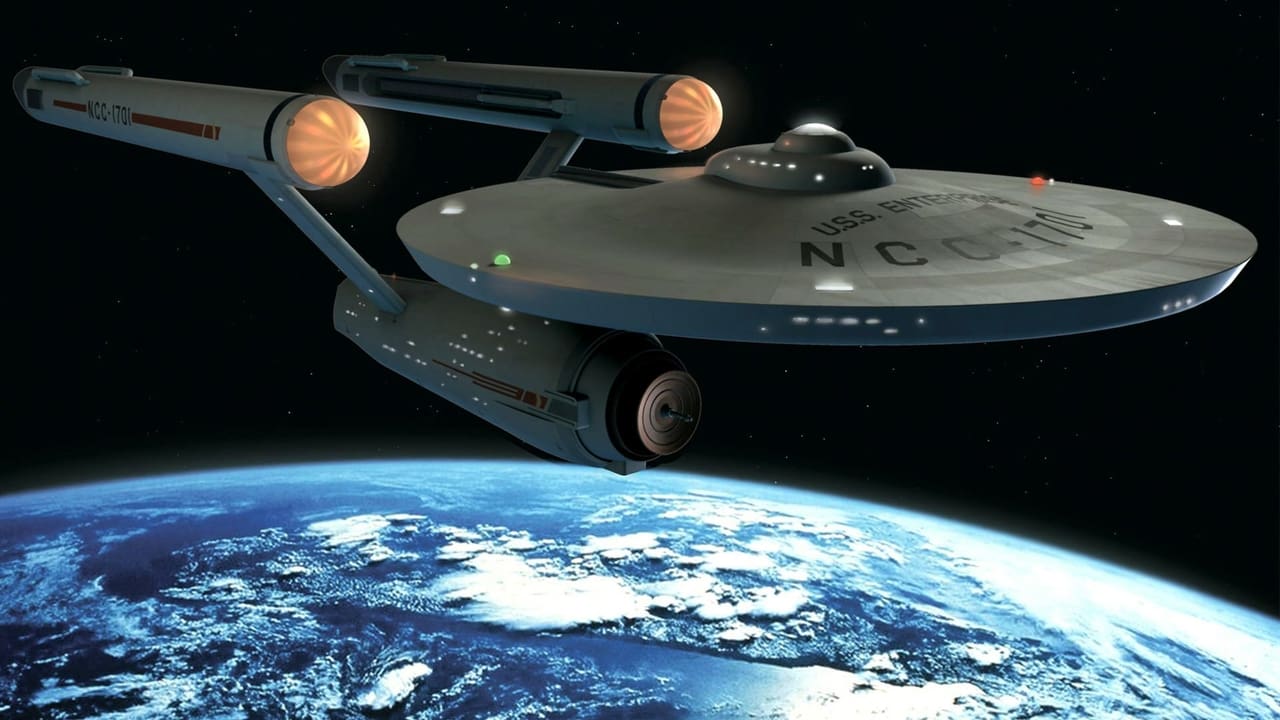
Star Trek: The Original Series — still 1
Star Trek: The Original Series — still 2
Star Trek: The Original Series — still 3
Star Trek: The Original Series — still 4
Star Trek: The Original Series — still 5
Star Trek: The Original Series — still 6
Star Trek: The Original Series — still 7
Star Trek: The Original Series — still 8

Ask Anything

Get a personalized guide on any topic

Related Guides