

What Hannah Montana's Record-Breaking Ratings Reveal About Tween TV
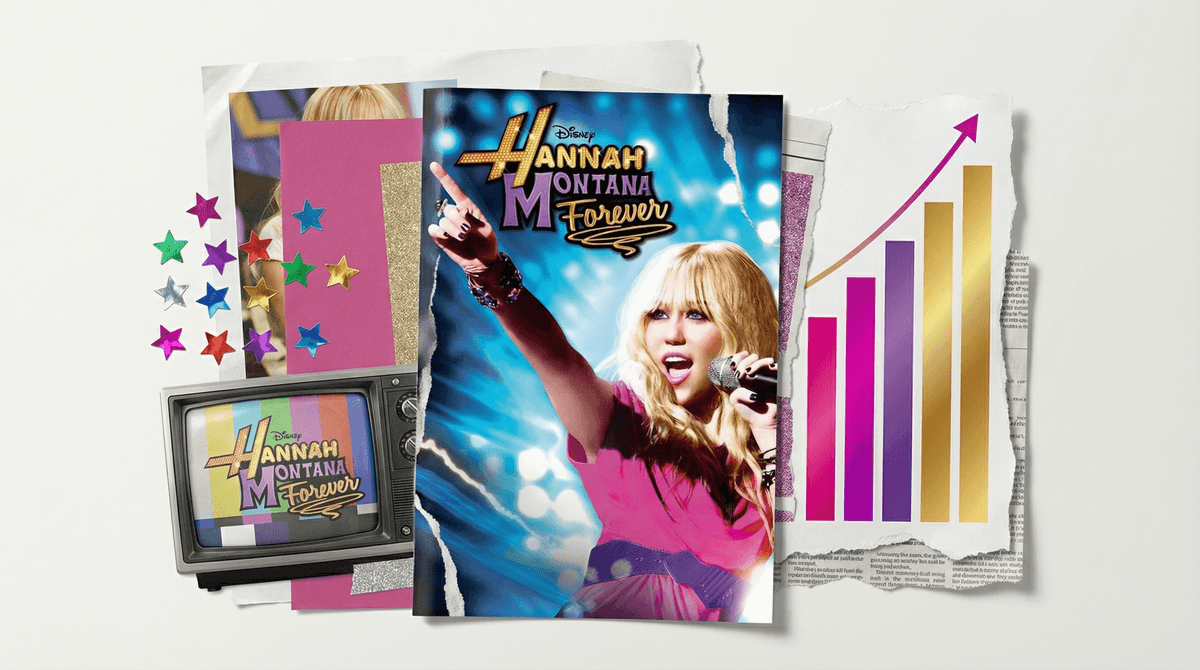
TL;DR: Hannah Montana wasn't just a hit—it was a cultural phenomenon that redefined what "successful" kids' TV looked like. At its peak in 2007, the show pulled 5.7 million viewers for a single episode, making it the highest-rated basic cable series for kids 6-11 at the time. But the real story isn't just the numbers—it's what those numbers tell us about what makes tween content stick, and what today's fragmented streaming landscape has lost (and gained) in comparison.
When Hannah Montana premiered on Disney Channel in March 2006, nobody predicted it would become the network's most-watched series launch ever. But by its second season, the show was regularly pulling 3-4 million viewers per episode—astronomical for cable TV at the time.
The series finale in 2011? 6.2 million viewers. For context, that's more people than watched most network primetime shows that week.
But here's what's wild: those ratings weren't just about kids parking in front of the TV. Hannah Montana became appointment television for families. Parents watched with their tweens. Older siblings got pulled in. The show created a shared cultural moment that's basically impossible to replicate in today's on-demand world.
The Secret Life Formula
Hannah Montana nailed something fundamental about tween psychology: the fantasy of living a double life. Miley Stewart was a regular middle schooler by day, global pop star by night. It's the Clark Kent fantasy dressed up in sparkly wigs and platform boots.
This wasn't new—Disney had been mining this territory since The Parent Trap. But Hannah Montana hit at the exact moment when tweens were starting to navigate their own identity questions online. The show gave kids a framework for thinking about public vs. private selves right as social media was becoming a thing.
The Music Actually Slapped
Let's be real: most TV show soundtracks are forgettable. Hannah Montana's music was legitimately good pop that kids (and honestly, adults) wanted to listen to outside the show. "Best of Both Worlds" became an anthem. The albums went multi-platinum. The concert movie grossed $70 million in its opening weekend.
The music wasn't just a marketing add-on—it was integral to why kids stayed engaged between episodes. This is something modern kids' shows often miss: High School Musical: The Musical: The Series tried to recapture this magic, but without the cultural monopoly Disney Channel once had, the music never reached the same saturation point.
It Respected Its Audience
Here's something worth noting: Hannah Montana didn't talk down to kids. Yes, it was silly. Yes, there were laugh tracks and exaggerated reactions. But the core emotional beats—friendship drama, family tension, the pressure of keeping secrets—were played straight.
The show acknowledged that tween life is genuinely complicated. Miley dealt with jealousy, disappointment, ethical dilemmas about honesty. The stakes felt real even when the premise was absurd. Compare this to some of today's tween content that either infantilizes kids or rushes them into teen territory too fast.
The Monoculture Moment
Hannah Montana succeeded partly because there were fewer options. Disney Channel was the destination for tween TV. Kids watched what was on, when it was on. This created shared cultural touchstones—everyone at school was talking about the same episode on Friday morning.
Now? Kids are scattered across Netflix, Disney+, YouTube, Roblox, and TikTok. There's incredible content out there—shows like The Owl House and Amphibia are arguably better written than Hannah Montana ever was. But they don't create the same cultural moment because kids aren't all watching together.
Is this bad? Not necessarily. Kids today have more choice, more diverse representation, more ability to find content that speaks to their specific interests. But something's been lost in the fragmentation.
The Parasocial Relationship Shift
Hannah Montana made Miley Cyrus a megastar, but the relationship kids had with her was still mediated through traditional media. You watched the show. Maybe you bought the magazine. You went to the concert movie.
Today's tween stars—whether they're on Disney+ or YouTube—have direct access to kids through social media. This creates more intense parasocial relationships but also more opportunities for disappointment when stars turn out to be human. The Olivia Rodrigo phenomenon is probably the closest modern parallel, but even that operates differently in the TikTok age.
Why Your Kid Wants to Rewatch It
If your tween has discovered Hannah Montana on Disney+, they're not alone. The show has found new life with Gen Alpha kids who weren't alive when it originally aired. Why? Partly nostalgia (yes, even kids experience secondhand nostalgia through their millennial parents). But also because the show represents a simpler version of fame and social navigation than what they're dealing with now.
There's something comforting about a world where your biggest problem is keeping your pop star identity secret from your best friends, not managing your personal brand across six social platforms.
The Content Holds Up (Mostly)
Rewatching Hannah Montana as a parent, you'll notice some dated jokes and fashion choices that are... a lot. But the core content is remarkably wholesome by today's standards. There's no sexual content, minimal innuendo, and the family dynamics are genuinely positive. Billy Ray Cyrus's Robby Ray is an involved, supportive single dad—not a bumbling sitcom stereotype.
The show is rated TV-G, and that rating still holds. It's genuinely appropriate for ages 6-12, though younger kids might not get all the humor and older tweens might find it babyish.
The Real Lesson: Shared Viewing Still Matters
Hannah Montana's success came partly from families watching together. In our fragmented media landscape, finding shows that work for multiple ages is harder but more valuable than ever.
If your kid is into Hannah Montana, consider watching a few episodes together. Not in a hovering way, but in a "this is actually kind of fun" way. You'll get insight into what appeals to them, and you'll create a shared reference point for conversations about identity, friendship, and navigating social pressure.
Looking for current content that hits similar notes? Here are shows that understand what made Hannah Montana work:
Gabby Duran & the Unsittables (Disney Channel) - Secret life premise with actual heart. Ages 8-13.
Andi Mack (Disney+) - More grounded than Hannah Montana but tackles real tween issues with similar respect for its audience. Ages 10-14.
Julie and the Phantoms (Netflix) - Music-driven, emotionally genuine, and the songs are legitimately good. Ages 9-14.
The Ghost and Molly McGee (Disney+) - Animated, but captures that optimistic energy and friendship focus. Ages 7-12.
For more options, check out shows like Hannah Montana or best Disney Channel shows for tweens.
Hannah Montana's ratings success wasn't just about a wig and a gimmick. It was about understanding what tweens need: stories about identity formation, music they actually want to listen to, humor that doesn't condescend, and emotional stakes that feel real even in absurd situations.
The show succeeded because it arrived at the perfect cultural moment—when Disney Channel had a near-monopoly on tween attention and before streaming fractured the audience into a million niches. We'll probably never see those kinds of ratings for kids' TV again, and that's okay.
What we can learn from Hannah Montana's success is that quality tween content respects its audience, creates genuine emotional connection, and gives kids frameworks for thinking about the complicated business of growing up. Whether that content reaches 5 million kids at once or finds its audience one algorithm recommendation at a time, those principles still matter.
The best part? You don't need a blonde wig to make it work.
Next Steps:
- Browse best shows for tweens to find current options
- Check out music-based shows for kids if that's what your kid loves about Hannah Montana
- Curious about how modern Disney+ content compares? Read about Disney+ vs Disney Channel