

The Must-Watch Coming-of-Age Movies Every Teen Should See
TL;DR: These films tackle identity, belonging, and growing up with nuance and heart. Skip the after-school special vibes—these are the movies that actually stick with kids and spark real conversations.
Quick picks by age:
- Ages 10-12: Wonder, The Karate Kid (1984), Akeelah and the Bee
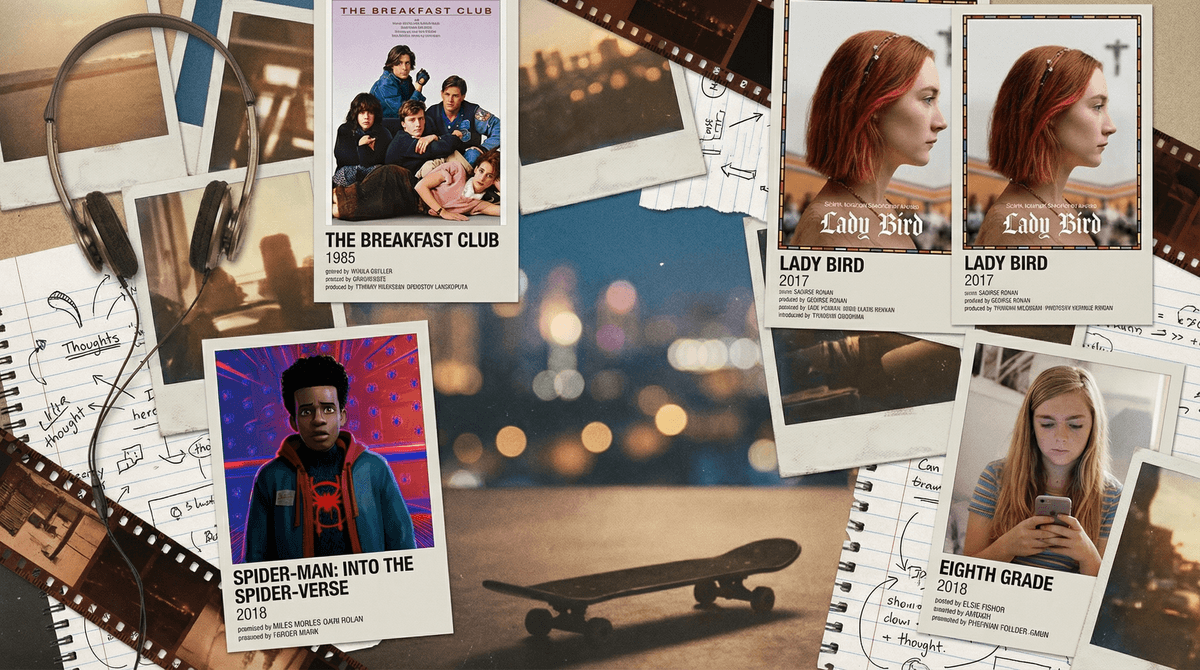
- Ages 13-15: The Perks of Being a Wallflower, Eighth Grade, Spider-Man: Into the Spider-Verse
- Ages 16+: Lady Bird, Boyhood, The Breakfast Club
Coming-of-age movies matter because they do something that TikTok and Instagram can't: they give teens space to sit with complex emotions for more than 15 seconds. They show characters making mistakes, feeling awkward, navigating family drama, and figuring out who they are—all without a perfectly curated filter.
The best ones don't preach. They don't wrap everything up in a neat bow. They just show what it's like to be young and confused and trying to figure it all out.
Why it works: This adaptation of R.J. Palacio's book follows Auggie, a fifth-grader with facial differences starting mainstream school for the first time. It's not saccharine—it shows real bullying, real social dynamics, and how hard it is to be different (or to be friends with someone who's different).
Talk about: What makes someone a good friend? How do you stand up for someone when it's socially risky?
Why it works: Yes, the original. Daniel moves to a new town, gets bullied, and finds a mentor in Mr. Miyagi. It's about perseverance, respect, and the value of hard work—but it never feels preachy because the relationship between Daniel and Miyagi is so genuine.
Talk about: What does it mean to have a mentor? How do you handle being the new kid?
Why it works: Akeelah is an 11-year-old from South LA who discovers she's gifted at spelling. The movie tackles academic pressure, community support, and what it means to represent your neighborhood. It's inspiring without being corny.
Talk about: How do you balance individual achievement with community expectations?
Why it works: Bo Burnham's directorial debut is painfully accurate about what it's like to be 13 in the age of social media. Kayla posts motivational YouTube videos while struggling with crippling anxiety. It captures the gap between who teens present online and who they actually are.
Content note: Some language, discussions of school shootings (brief), and an uncomfortable scene with an older boy in a car (nothing happens, but it's tense). Watch it first if your kid is sensitive.
Talk about: How does social media change the way we present ourselves? What does confidence actually mean?
Why it works: Charlie is a freshman struggling with mental health, past trauma, and finding his people. The movie doesn't shy away from heavy topics—depression, abuse, sexuality, substance use—but it's ultimately about healing and connection.
Content note: This one's PG-13 but deals with serious themes including sexual abuse (revealed, not shown). Better for mature 14-15 year olds.
Talk about: What does it mean to find your people? How do you support a friend who's struggling?
Why it works: Miles Morales is trying to live up to impossible expectations while figuring out his own identity. It's a superhero movie, yes, but it's really about the pressure to be perfect and the fear of disappointing the people you love. Plus, the animation is stunning.
Talk about: How do you handle pressure from parents or teachers? What does it mean to forge your own path?
Why it works: Nadine is a high school junior who's awkward, anxious, and convinced everyone hates her (they don't, but also... teenage social dynamics are brutal). It's funny and honest about how hard it is to be a teenager, especially when your best friend starts dating your brother.
Content note: Language, sexual content, drinking. This is a hard R-rating for a reason—better for 15+.
Talk about: How do friendships change as we grow up? What do you do when you feel left behind?
Why it works: Greta Gerwig's semi-autobiographical film about a high school senior in Sacramento captures the push-pull of wanting to leave home while also loving it. The mother-daughter relationship is the heart of the film—complicated, messy, and deeply real.
Talk about: How do you navigate wanting independence while still needing your parents? What does it mean to come from somewhere?
Why it works: Richard Linklater filmed this movie over 12 years with the same actors, so you literally watch Mason grow up on screen. It's not about big dramatic moments—it's about all the small, ordinary experiences that shape who we become. Some teens find it boring; others find it profound.
Talk about: What moments from your childhood shaped who you are? How do you think you've changed?
Why it works: Five stereotypes—a brain, an athlete, a basket case, a princess, and a criminal—spend Saturday detention together and discover they're more than their labels. Yes, it's from 1985 and some parts are dated (the treatment of Bender's aggression toward Claire hasn't aged well), but the core message about not judging people by their cliques still resonates.
Talk about: How do labels limit us? What assumptions do you make about people based on how they look or who they hang out with?
Why it works: This Oscar-winning film follows Chiron, a young Black man growing up in Miami, across three chapters of his life. It's a quiet, beautiful exploration of identity, masculinity, and sexuality. Not every teen will connect with it, but for those who do, it's powerful.
Content note: Drug use, violence, sexual content. This is a mature R.
Talk about: How do expectations about masculinity shape boys? What does it mean to be seen for who you really are?
Why it works: A 16-year-old gets pregnant and decides to give the baby up for adoption. Juno is witty, weird, and handles an incredibly difficult situation with remarkable maturity (while still being a teenager). It doesn't moralize—it just shows one girl's choice.
Content note: Obviously deals with teen pregnancy. Some language. Better for older teens who can handle nuanced conversations.
Talk about: How do you make hard decisions? What does it mean to take responsibility?
Don't sleep on animation for teens. Some of the most emotionally sophisticated storytelling happens in animated films.
Ages 10+: Riley's emotions are personified as she navigates moving to a new city. It's Pixar, so it's brilliant—and it gives kids (and adults) a vocabulary for talking about complex feelings.
Ages 13+: This Japanese anime about two teens who mysteriously swap bodies is gorgeous, emotional, and explores identity, connection, and fate. If your teen hasn't watched anime before, this is a great entry point.
Ages 8+: Miguel wants to be a musician despite his family's ban on music. It's about family, memory, and pursuing your dreams—but it's also about understanding where you come from. Have tissues ready.
The films on this list share a few key qualities:
They respect teen intelligence. No talking down, no easy answers, no "very special episode" vibes.
They show consequences without being preachy. Characters make mistakes and deal with real fallout—but the movie trusts you to draw your own conclusions.
They capture specific details. The best coming-of-age movies nail the small stuff—the way a locker sounds, the anxiety of a cafeteria, the specific cruelty of middle school social dynamics.
They acknowledge that growing up is hard. Not in a "woe is me" way, but in a "this is genuinely difficult and confusing and that's okay" way.
For tweens (10-12): Stick with PG and light PG-13. Look for movies that deal with friendship, bullying, and finding your place. Avoid heavy themes like sexual content, substance abuse, or graphic violence.
For middle schoolers (13-15): PG-13 is your sweet spot. They can handle more complex themes—mental health, first relationships, family conflict—but save the hard R-rated content for later. Always check Common Sense Media for specific content warnings.
For high schoolers (16+): Most R-rated content is fair game, but context matters. A movie with language and sexual content is different from one with graphic violence or disturbing themes. When in doubt, watch it first or watch it together.
Watch together when you can. I know, I know—teens want to watch alone or with friends. But some of these films are way better as shared experiences. You pick up on different things, and it gives you natural conversation starters.
Don't force the conversation immediately. Let the movie sit for a bit. Bring it up later—"I've been thinking about that scene where..."—rather than turning it into an instant lesson.
Ask open-ended questions. Not "what did you learn?" but "what did you think about how Kayla handled that situation?" or "did that feel realistic to you?"
Share your own experiences. "That reminded me of when I was in eighth grade and..." Teens are way more likely to open up when you're vulnerable first.
Let them disagree with you. If your teen hated a movie you loved (or vice versa), that's interesting! Why? What didn't work for them? These differences are where the good conversations live.
Coming-of-age movies won't solve your teen's problems or magically make adolescence easier. But they can provide a framework for understanding what they're going through, normalize their feelings, and open up conversations that are hard to start from scratch.
The goal isn't to watch every film on this list—it's to find a few that resonate with your kid and your family. Some teens will love the quiet introspection of Boyhood. Others will connect more with the humor and energy of Spider-Verse. Pay attention to what they respond to, and follow that thread.
And if your teen rolls their eyes at the suggestion of movie night? Try this: "I heard this movie is really good, I'm going to watch it tonight around 8 if you want to join." Then actually watch it, whether they show up or not. Sometimes the best way to get a teen interested is to stop trying so hard.
Next Steps:
- Check out our guide to movies about mental health for teens
- Looking for something lighter? Try the best comfort movies for families
- Need more conversation starters? Get discussion questions for talking to teens about movies
 for specific discussion questions for any of these films