

TL;DR
Cyberbullying in 2026 has evolved far beyond mean comments on a profile picture. We’re dealing with AI-generated deepfakes, sophisticated group chat exclusion, and "leaking" culture. The old advice to "just block them" is often insufficient because the harassment continues in spaces your child can still see.
- The Move: Document everything, report to platforms immediately, and focus on "digital resilience" rather than just avoidance.
- Key Platforms to Watch: Snapchat, Discord, Roblox, and TikTok.
- Resources for Conversation: Wonder by R.J. Palacio, Cyberbully (Movie), and our guide on healthy social media habits.
Remember when "cyberbullying" meant someone posted a mean status update on Facebook or sent a nasty IM on AIM? Those were the days. In 2026, the landscape is significantly more jagged. We aren't just dealing with "mean girls" or schoolyard bullies moving their operations online; we’re dealing with generative AI, permanent digital footprints, and a "leak" culture that treats private conversations as public entertainment.
If you feel like you’re constantly playing catch-up with the slang or the apps, you aren’t alone. But when it comes to harassment, the stakes have shifted. We need to move beyond the "block and move on" mentality.
The biggest shift we’ve seen recently is the weaponization of AI. It’s no longer just about what someone says about your child; it’s about what they can make it look like your child did.
Middle and high schoolers are now using AI tools to create "deepfake" images or videos. This ranges from the horrific (non-consensual explicit imagery) to the "merely" devastating (making a video that looks like your child said something racist or cruel to get them "canceled").
If your child is active on Discord or uses AI-heavy apps like Lensa or even TikTok filters, they are in the ecosystem where this happens.
Learn more about how to talk to your teen about AI deepfakes
We need to talk about the "Side Chat." This is the 2026 version of the "you can’t sit with us" table, but it’s active 24/7.
It works like this: a group of friends has a main chat on WhatsApp or Snapchat. Then, a second chat is formed with everyone except one person. The "Side Chat" is then used to coordinate plans, mock the excluded person, or share screenshots of what the excluded person is saying in the main chat.
It sounds like petty drama, but for a 13-year-old, this is social death. It’s a form of psychological warfare that leaves no "evidence" on the victim's phone, but they feel the effects every time they walk into the cafeteria and everyone else knows a joke they aren't in on.
Why Kids Love These Platforms (and Why Bullying Thrives There)
- Snapchat: The disappearing nature of messages gives bullies a false sense of "no consequences." Kids think they can say anything because it "goes away." (Spoiler: screenshots are forever).
- Roblox: Bullying here often looks like "server raiding" or "targeting" a specific player's avatar to make the game unplayable for them.
- TikTok: The "stitch" and "duet" features can be used to mock someone's video, leading to "ratioing" (where the negative comments and mocks far outweigh the original content).
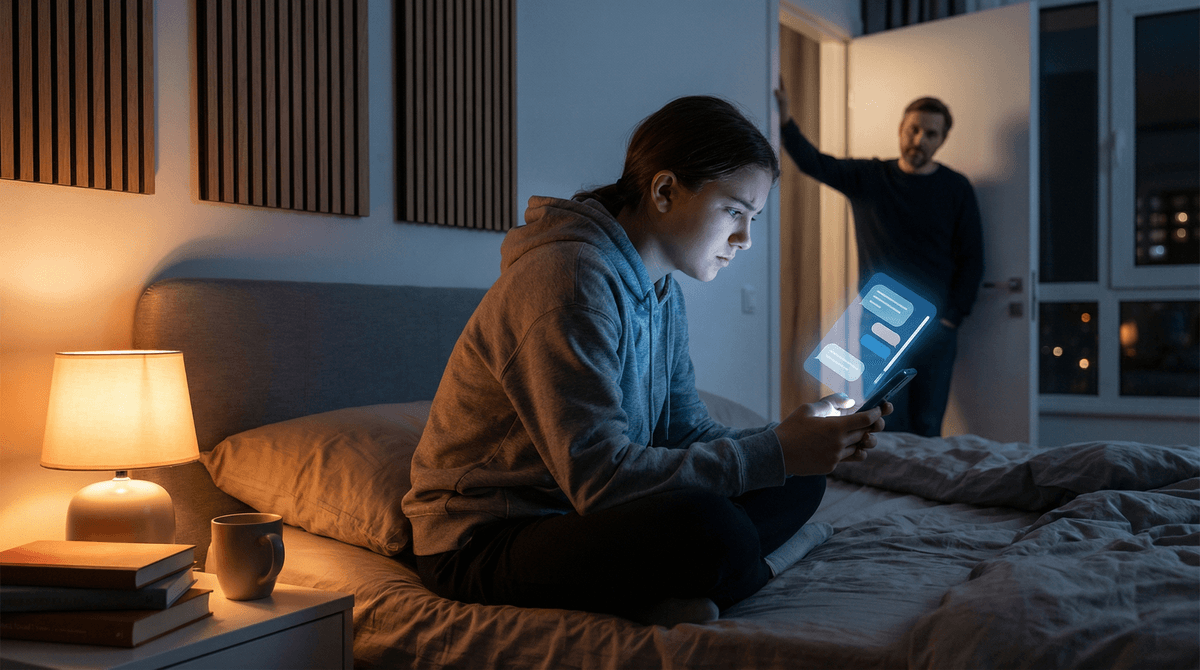
Your kid probably won't come to you and say, "I am being cyberbullied." They’ll likely say things are "mid" or "cooked" or just be generally "Ohio" (weird/cringey) about their phone. Look for:
- Device Anxiety: They get visibly upset or jumpy when they get a notification.
- The "Ghost" Phase: Suddenly stopping the use of an app they previously loved.
- Physical Symptoms: Headaches or stomachaches on Sunday nights (the "school-is-coming" dread).
- Secrecy: Turning the screen away or hiding the phone when you walk by—more than the standard "I'm a teenager" level of privacy.
Ask our chatbot for a checklist of cyberbullying warning signs
When a child is being harassed, our parental instinct is to say, "Just delete the app" or "Just block them." While well-intentioned, this can actually make the child feel more isolated. If the bullying is happening in a group of 50 people, blocking the leader doesn't stop the other 49 from seeing the content.
1. Document Everything (The "Receipts")
Before you block or report, take screenshots. In the world of 2025, "receipts" are everything. Save the URL, the username, and the timestamp. If it’s a disappearing message on Snapchat, use another device to take a photo of the screen if you’re worried about the "screenshot notification" triggering more drama.
2. Report to the Platform
Don't just delete the message. Use the reporting tools on Instagram, TikTok, or Discord. These platforms have (admittedly imperfect) AI moderators that look for patterns of harassment.
3. The School Connection
If the bully is a classmate, the school must be involved, even if the bullying happened at 10 PM on a Saturday. Most schools now have digital citizenship policies that cover off-campus behavior if it "disrupts the learning environment."
4. Don't Retaliate
Teach your child the "Don't Feed the Trolls" rule. Bullies are looking for a reaction—a "clout" boost. Responding with anger often gives them more content to mock.
Building digital resilience is like building a muscle. You don't wait until you're in a fight to go to the gym.
Wonder by R.J. Palacio (Ages 8+)
This is the gold standard for teaching empathy. While it deals with physical bullying, the lessons about "choosing kind" translate perfectly to the digital world.
Heartstopper (Ages 12+)
This Netflix show is a fantastic look at modern teen life. It handles the nuances of group chats, "outing" someone online, and the importance of a supportive friend group without being "brain rot" or overly dark.
Cyberbully (Movie) (Ages 13+)
It’s a bit older now, but the core message about how quickly an online rumor can spiral is still incredibly relevant. It’s a great "watch together" movie to spark a conversation.
Be Internet Awesome (Website) (Ages 7-12)
Google’s gamified approach to digital safety. It’s actually fun and teaches kids how to be "upstanders" rather than bystanders.
Check out our full list of books and movies about digital citizenship
Elementary (Ages 6-10)
At this age, "bullying" is often accidental or impulsive. They might say something mean in a Roblox chat because they’re frustrated.
- The Focus: Empathy. "How would you feel if someone said that to your avatar?"
- The Tool: Use Messenger Kids where you can see every single interaction.
Middle School (Ages 11-14)
The danger zone. This is where group chat exclusion and "roasting" culture peak.
High School (Ages 15-18)
This is where the AI deepfakes and "cancel culture" become serious threats.
- The Focus: Legal consequences and long-term reputation.
- The Tool: Discussing real-world news stories about the consequences of digital harassment.
Cyberbullying in 2026 is sophisticated, but the solution is ancient: connection.
If your child feels they can come to you without having their phone confiscated, they will tell you when things get weird. The "dangers" aren't just in the apps; they're in the silence that grows between parents and kids when tech becomes a battlefield.
Be the "safe harbor." Let them know that no matter what AI-generated nonsense or group chat drama comes their way, you’re on their team.
- Audit the Apps: Sit down with your child and look at the privacy settings on their most-used apps.
- Define "The Line": Have a conversation about the difference between a joke and harassment.
- Set a "No-Phone" Zone: Ensure there is at least one hour a day (like dinner) where the digital noise is turned off.