Messenger Kids

Messenger Kids

app

Everyone, 2018, Social Networking, Photo & Video

WISE
42%

WISE Score

4.3

App Store

Facebook's kid-friendly messaging app with parental controls—because apparently six-year-olds need their own chat platform now.

Screenwise Verdict

Messenger Kids is Meta's answer to a problem most families don't actually have. Yes, the parental controls are solid—you approve every contact, can monitor messages, and set time limits. And sure, it's nice that there are no ads or sketchy in-app purchases. But let's be real: do first and second graders really need their own messaging platform?

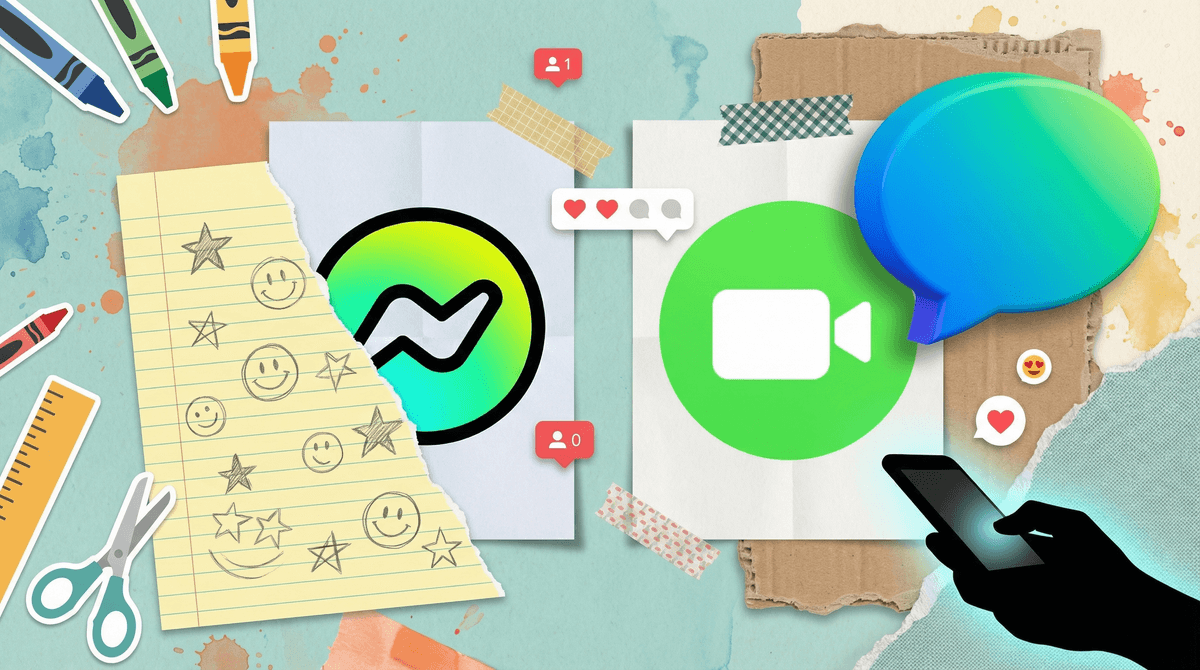
The app is essentially training wheels for social media, introducing kids to chat culture, constant connectivity, and digital communication patterns at ages when they should be mastering face-to-face interaction. If your kid needs to video chat with distant family, you can supervise a FaceTime call without giving them a dedicated messaging identity.

That said, if you have a specific use case—like a 10-year-old who needs to coordinate with friends for group projects, or grandparents who live far away and want more connection—this is probably the safest way to do it. Just know you're opting into digital social dynamics earlier than necessary, even if you're doing it with guardrails.
Age Fit

Marketed for ages 6-12, but honestly, most kids under 10 don't need their own messaging app at all. Better for older elementary kids (9-12) who might benefit from controlled digital communication practice before graduating to real social media.

WISE Breakdown
Wholesome
65

Parent-controlled contact lists and monitoring features support healthy digital boundaries. Fun filters and creative tools encourage positive expression. However, introducing messaging apps at young ages can normalize constant connectivity and social comparison, even in controlled environments. The app models communication but doesn't inherently teach emotional regulation or offline social skills.

Imaginative
35

Offers stickers, GIFs, emojis, drawing tools, and filters for creative expression within conversations. However, these are template-based creative tools rather than open-ended imagination builders. The app is fundamentally about communication consumption rather than creative production or exploration. Limited scope for genuine creative play or building something meaningful.

Safe
58

Parent dashboard controls, no phone number required, no ads, and no in-app purchases are strong safety features. Usage limits help prevent overuse. However, it's still a messaging platform owned by Meta/Facebook, introducing young children to social networking patterns early. Even with parental controls, kids are learning to navigate digital social dynamics at ages when face-to-face interaction is developmentally critical. The app is safer than most alternatives but still carries inherent risks of early social media exposure.

Enriching
30

Minimal educational or developmental value. While it can help kids stay connected with distant family members, it primarily trains children in digital communication habits rather than building meaningful skills. No cognitive growth, problem-solving, or learning components. The main 'enrichment' is maintaining relationships, which could happen through parent-supervised video calls on regular devices without creating a separate kid-focused messaging habit.

Parent Info

Why It Might Be Great

  • Genuinely useful for kids to video chat with grandparents or distant relatives without handing them your phone
  • Strong parental controls let you approve every contact and monitor messages, so no randos sliding into your kid's DMs
  • No ads or in-app purchases, plus usage limits for bedtime—Meta actually showed some restraint here
  • Fun filters and creative tools make conversations more engaging than plain video calls

What to Watch For

  • It's still Meta/Facebook training your elementary schooler in social messaging habits—ask yourself if that's really necessary at age 6
  • Even with controls, you're introducing the concept of constant digital availability and chat culture to really young kids
  • The 'need' for this app is often manufactured—a supervised FaceTime call works fine without creating a separate messaging identity
  • Kids might feel left out if their friends have it and they don't, creating social pressure around an app they don't developmentally need

Conversation Starters

  • "Who do you most like talking to on Messenger Kids, and what makes those conversations fun?"
  • "What's the difference between sending someone a message and talking to them in person?"
  • "If you want to talk to Grandma, should we message her or call her? Why might one be better than the other?"
  • "How does it feel when someone doesn't message you back right away?"

Ask Anything

Get a personalized guide on any topic

Related Guides