

TL;DR
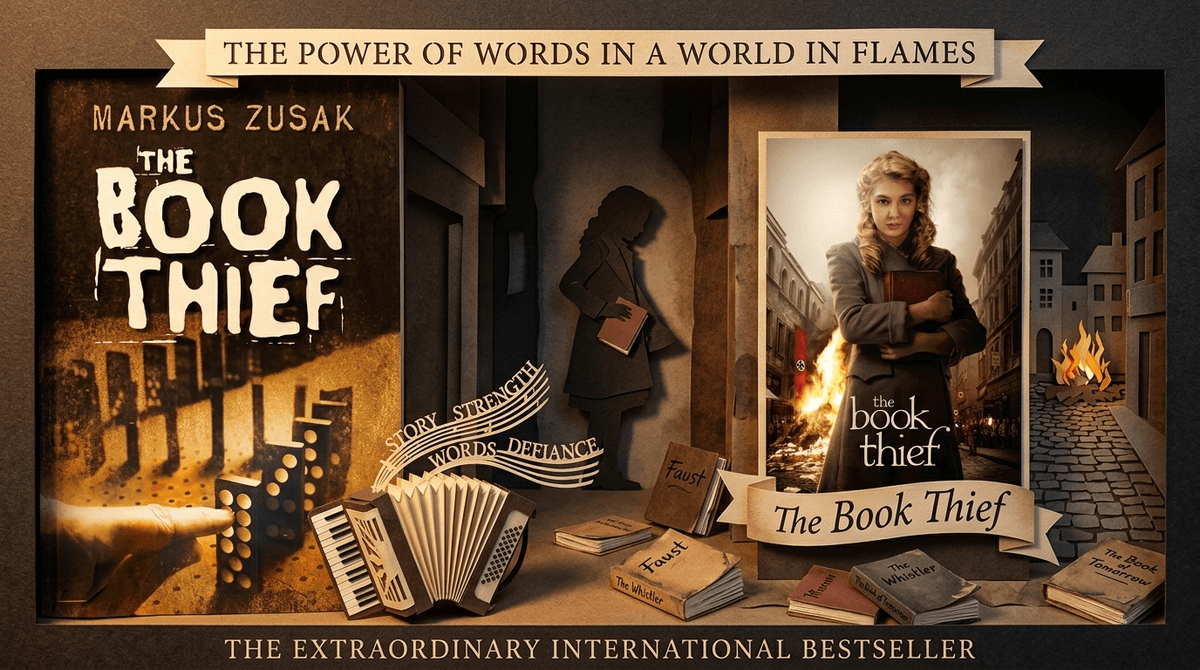
The Book Thief is a modern masterpiece that belongs on every "must-read before you graduate" list, but it’s an emotional heavyweight. Set in Nazi Germany and narrated by Death, it deals with trauma, loss, and the Holocaust in a way that is beautiful but deeply gut-wrenching.
Recommended Age: 12+ (7th grade and up). The Vibe: Historical fiction that feels visceral, not dusty. Quick Links:
- The Book Thief (movie) - A decent adaptation, but the book is significantly better.
- Refugee by Alan Gratz - A great follow-up for kids interested in historical crises.
- The Diary of a Young Girl - The non-fiction companion to this era.
If your middle schooler just brought this home, they’re about to dive into a story set in Molching, Germany, during the height of WWII. The protagonist is Liesel Meminger, a young foster girl who survives by "thieving" books that the Nazi party wants to burn.
The big "hook" here—and the thing that usually trips parents up—is that the story is narrated by Death. But before you worry about this being some weird, dark "brain rot" or "edgelord" content, know that Death in this book isn't a villain. He’s weary, philosophical, and surprisingly compassionate. He’s basically a witness to the best and worst of humanity, and he’s tired of his job.
The story follows Liesel as she learns to read with her foster father, Hans (the ultimate "girl dad"), navigates friendship with the lemon-haired Rudy Steiner, and helps her family hide a Jewish man named Max in their basement.
Get historical fiction recommendations for middle schoolers
In a world of 15-second TikToks and "Ohio" memes, The Book Thief is the ultimate antidote to short attention spans. It’s long, it’s descriptive, and it actually makes kids feel something real.
Middle schoolers are at that age where they are starting to look past the "good guys vs. bad guys" narrative. They’re realizing the world is complicated. This book shows them "ordinary" Germans—some who were complicit, some who were terrified, and some who were quietly heroic.
Also, Rudy Steiner is a top-tier character. Every kid wants a best friend like Rudy, and his loyalty to Liesel provides the emotional anchor that keeps kids turning the pages even when the subject matter gets heavy.
Let’s be real: this is a book about Nazi Germany narrated by Death. It is going to be intense. Here is the no-BS breakdown of what might give your child (or you) pause:
1. The Emotional Toll
The ending of this book is notorious. It doesn't pull punches. If your child is particularly sensitive to the death of beloved characters, you might want to be ready for some late-night "life is unfair" conversations. It’s a "ugly cry" book, full stop.
2. The Language
There is a fair amount of German profanity. You’ll see words like Saumensch and Saukerl constantly. While they technically mean "pig-girl" or "pig-man," in the context of the book, they are used as both insults and weirdly enough, terms of endearment. There is some English swearing as well, but it’s mostly used to reflect the grit of the time.
3. The Violence and Trauma
The book depicts air raids, the physical abuse of prisoners, and the general terror of living under a totalitarian regime. There are scenes of "Jew marches" where the suffering of Holocaust victims is described vividly. It’s not "slasher movie" gore, but it’s psychologically heavy.
Check out our guide on how to talk to kids about difficult historical themes
If your kid has already read The Diary of a Young Girl or watched Schindler's List, they are likely ready for this.
However, if they are coming straight from Percy Jackson or Wings of Fire, this is a massive jump in maturity. It’s not about the reading level—the prose is actually quite accessible—it’s about the emotional stamina required to finish it.
A quick word on the film: It’s fine. It’s a PG-13 movie that captures the "look" of the book well, but it loses the unique voice of the narrator. If your kid is struggling with the book, the movie can help them visualize the setting, but don't let them swap the book for the movie—they'll miss the best parts of the writing.
- Ages 10-11 (5th-6th Grade): Proceed with caution. Unless your child is a very mature reader who has already expressed interest in WWII history, this might be a bit too depressing. They might prefer Number the Stars as a "starter" book for this era.
- Ages 12-14 (7th-8th Grade): This is the "Goldilocks" zone. They are old enough to understand the irony and the metaphor of Death as a narrator, and they are usually studying this period in social studies.
- Ages 15+: High schoolers will appreciate the craft of the writing. If they’ve already moved on to things like All the Light We Cannot See, this will be right up their alley.
One of the best things about The Book Thief is its focus on how words can be used to both destroy and heal. In an era where our kids are bombarded with toxic comments on Discord or mindless scrolling on TikTok, this book makes a case for the importance of literature and storytelling.
Liesel literally steals books to find her voice. Max, the man in the basement, writes over the pages of Mein Kampf to create a new story for Liesel. It’s a powerful metaphor for reclaiming your narrative in a world that feels out of control.
If your child is reading this, don't just ask "did you finish your chapters?" Try these questions to get a real conversation going:
- "What do you think about Death being the narrator? Is he scary, or is he something else?" (This helps them process the heavy theme of mortality without it being terrifying).
- "Why do you think Hans Hubermann decided to hide Max, even though it put his whole family at risk?" (Great for discussing ethics and courage).
- "Rudy Steiner is obsessed with Jesse Owens. Why was that such a big deal in Nazi Germany?" (Good way to bridge the book with real-world history).
- "If you had to save one book from a fire, which one would it be?" (A fun way to see what they actually value in their own digital/physical library).
The Book Thief isn't "fun" in the traditional sense. It’s not a "fast-paced adventure" like Fortnite. But it is deeply rewarding.
It’s the kind of book that stays with a kid. It builds empathy in a way that few other modern classics do. Yes, they will probably cry. Yes, they will ask you some hard questions about why people do terrible things to each other. But those are the conversations we want to be having, right?
If your kid is ready for a story that treats them like an adult—without the "brain rot" and with all the heart—this is the one.
If they loved the vibe of The Book Thief, here are a few more things to check out:
- For more WWII history: Maus by Art Spiegelman (a graphic novel that is equally intense and brilliant).
- For more "Power of Words" themes: Fahrenheit 451.
- For a lighter break: The Wild Robot by Peter Brown (different vibe, but also explores what it means to be "human" in a unique way).
Get a reading list for a 13-year-old who liked The Book Thief