

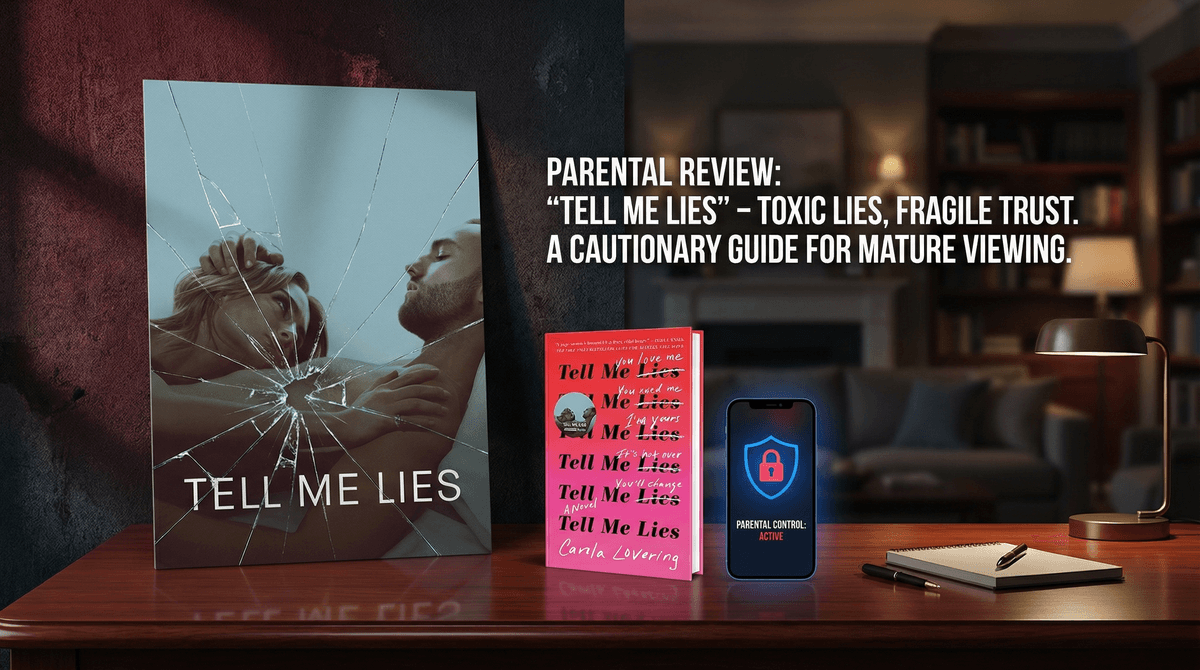
TL;DR: Tell Me Lies is a high-octane, TV-MA toxic relationship drama on Hulu that is definitely not for middle schoolers and is a "proceed with extreme caution" for older teens. With Season 3 currently trending, the show’s depiction of gaslighting, explicit sexuality, and substance abuse is at an all-time high. If your teen is looking for romance, this isn't it—it’s a masterclass in psychological manipulation.
If you're looking for slightly more balanced teen dramas, check out Sex Education for better conversations about consent, or Never Have I Ever for something much lighter.
Screenwise Parents
See allBased on the novel Tell Me Lies by Carola Lovering, the series follows Lucy Albright and Stephen DeMarco over the course of eight years, starting at their small college in New York. While it might look like a standard "girl meets boy" campus drama, it quickly devolves into a dark, addictive, and often disturbing look at an obsessive relationship.
By Season 3, the timeline has jumped significantly, but the core remains the same: Stephen is a master manipulator, and Lucy is trapped in a cycle of "trauma bonding" that affects everyone in their friend group. It’s essentially Gossip Girl if everyone was significantly more miserable and the stakes were actual psychological ruin rather than just social exile.
If your teen is asking to watch this, it’s likely because of "The Stephen Effect." On TikTok and Instagram, Stephen DeMarco has become the poster child for the "red flag" boyfriend. There’s a massive cultural conversation right now about "toxic" traits and "gaslighting," and this show is basically a 20-hour visual dictionary for those terms.
Teens are drawn to it for the same reason we were drawn to messy dramas at that age: it feels "adult," it's visually polished, and the drama is dialed up to eleven. But in a world where "Ohio" is used to describe anything weird and "brain rot" is a genuine concern for short-form content, Tell Me Lies offers a different kind of intensity—one that feels "real" because it deals with the very real dangers of emotional abuse, even if it's wrapped in a glossy Hulu package.
The TV-MA rating is not an exaggeration. Here is the no-BS breakdown of what you’re looking at:
Graphic Sexuality and Nudity
This is the big one. The show features frequent, explicit sex scenes. While it’s not quite at the level of Euphoria, it’s much more graphic than your average network drama. There is full-frontal nudity and a focus on sex as a tool for power and manipulation rather than just intimacy.
Psychological Manipulation (Gaslighting 101)
The show is a "how-to" guide on emotional abuse. Stephen systematically breaks down Lucy’s self-esteem, lies about major life events (including a fatal car accident), and isolates her from friends. For a teen whose brain is still developing the nuances of social cues and healthy boundaries, this can be a lot to process without context.
Substance Use
College life in this show involves a lot of heavy drinking, "party culture," and casual drug use. It’s depicted fairly realistically for a certain type of college experience, but it’s constant.
Toxic Friendships
It’s not just the main couple. The entire ensemble is often cruel, secretive, and backstabbing. There are very few "moral anchors" in the show, which can make the viewing experience feel pretty bleak.
While every family has different boundaries, here is how we see the "readiness" for this show:
- Middle School (Ages 11-14): Hard No. The themes of sexual manipulation and the sheer amount of nudity are not appropriate for this age group. They likely won't even understand the psychological nuances and will just see a "cool, edgy" show.
- High School (Ages 15-17): Parental Discretion (with a heavy side of conversation). If they are already watching shows like Euphoria or Normal People, they’ve seen this level of content. However, the "toxicity" of the leads is much more predatory here. If you let them watch, you need to be talking about it.
- College/Young Adult (18+): Age-appropriate. This is the target demographic. At this age, they are navigating these types of campus dynamics themselves and can use the show as a "what NOT to do" guide.
If your teen wants the drama without the extreme toxicity or graphic nudity, consider these:
It has the love triangles and the "coming of age" angst, but it stays firmly in the TV-14 territory. It's much more about first love than psychological warfare.
While it is also TV-MA and features a lot of sex, the intent is completely different. It’s educational, empathetic, and focuses heavily on consent, healthy communication, and LGBTQ+ identity. It’s "good" mature content versus "toxic" mature content.
If they want a "throwback" college/high school drama, this is the classic. It has the soap opera twists but feels much more grounded in traditional storytelling than the dark nihilism of Tell Me Lies.
If your teen has already started Tell Me Lies, don't panic. Use it as a bridge to talk about real-world relationship safety.
Try asking these questions:
- "Do you think Stephen actually loves Lucy, or does he just like controlling her?"
- "How would you react if a friend told you their boyfriend was lying to them the way Stephen lies?"
- "Why do you think Lucy keeps going back even when she knows he's bad for her?" (This is a great opening to talk about trauma bonding).
- "What are the 'green flags' you'd look for in a relationship that are missing here?"
These conversations turn "brain rot" entertainment into a lesson in emotional intelligence.
Tell Me Lies is a well-acted, well-produced show, but it is dark. It's not "fun" drama; it's "stressful" drama. For parents of teens, the concern isn't just the nudity—it's the normalization of a deeply abusive relationship.
If your teen is dead-set on watching, maybe watch an episode or two yourself first. You’ll quickly see if it’s something your kid is ready to navigate.
Next Steps:
- Check your Hulu parental control settings to ensure TV-MA content requires a PIN if you have younger kids in the house.
- Learn more about how to talk to your teen about toxic relationships

- If they love the "college vibe" but need something less intense, try The Sex Lives of College Girls (still mature, but much funnier and more focused on female friendship).