The anti-romance training manual
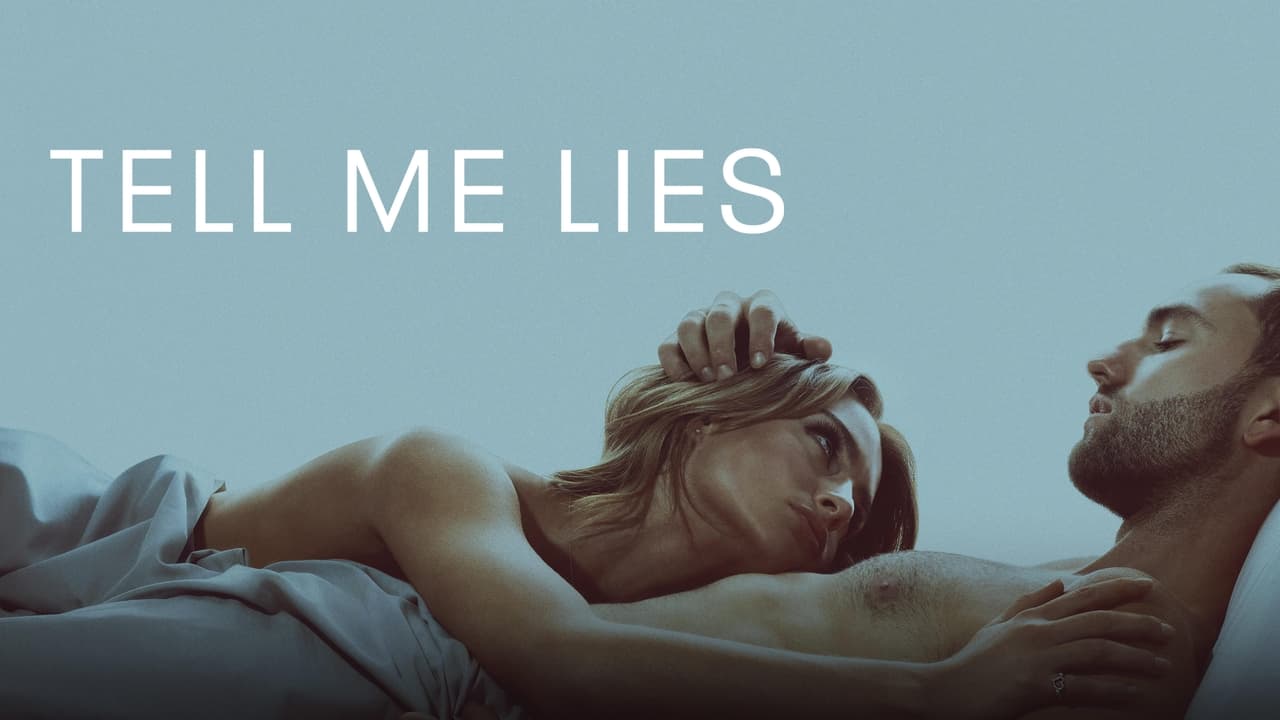
If you go into Tell Me Lies expecting a cozy campus romance, you’re going to want a refund within twenty minutes. This isn't a story about finding "the one"; it’s a detailed autopsy of a toxic relationship that starts bad and gets progressively worse. While critics gave it a respectable but not earth-shattering 65 on Metacritic, the show has found a massive second life as a "hate-watch" staple on Hulu and Disney Plus.
The central hook is the "addictive entanglement" between Lucy and Stephen. It’s the kind of relationship where every red flag is treated like a finish line. For a parent, watching this can feel like a high-blood-pressure exercise in yelling at the screen. But for an older teen, it functions as a surprisingly effective warning label for the social dynamics they’re about to encounter in dorm life.
Why it sticks the landing
The show works because it doesn't try to make Stephen a "bad boy" with a heart of gold. He’s closer to a psychopath, and the writing is smart enough to show exactly how he manipulates Lucy through gaslighting and emotional pivots. It’s stressful. It’s messy. It’s also incredibly hard to turn off.
One of the big draws for the Gen Z audience is the cast, including the presence of Iris Apatow, who has become a major fixture in this specific lane of gritty, aesthetically-pleasing teen and young adult drama. The show captures that specific 2000s-era college vibe where social currency is everything and privacy is non-existent. If your teen is already deep into the "moody romance" corner of TikTok, they’ve likely already seen clips of this or Tell Me Softly, Prime’s similarly viral and messy love triangle.
The friction points
We need to talk about the "TV-MA" of it all. This isn't a show that leans on "implied" intimacy. The sexual content is frequent, graphic, and often used as a tool for power rather than affection. Before you greenlight a binge-watch, check out our Tell Me Lies Parents Guide & Age Rating to see if the nudity and substance use levels align with what you're comfortable with for your household.
The real "friction" isn't just the skin, though. It’s the cringe. There are moments—like a certain rehearsal-dinner toast—that are so socially agonizing they’re genuinely difficult to sit through. The show excels at making you feel the weight of these characters' bad choices. You aren't rooting for them to get together; you’re rooting for them to go to therapy and move to different states.
How to use the "hate-watch"
If your high school senior or college freshman is watching this, don't just roll your eyes at the drama. Use it as a litmus test.
- Ask them which character they think is the most "dangerous" (the answer is usually Stephen, but Lucy’s choices are worth a look too).
- Point out the specific moments where a character could have walked away but chose to double down.
- Talk about the "mysterious past" trope and how it’s often used to excuse terrible behavior in real life.
It’s a 7.1 on IMDb for a reason: it’s solid, addictive, and slightly trashy in the way the best soaps always are. Just make sure the viewer knows they're watching a cautionary tale, not a blueprint for their own freshman year.