

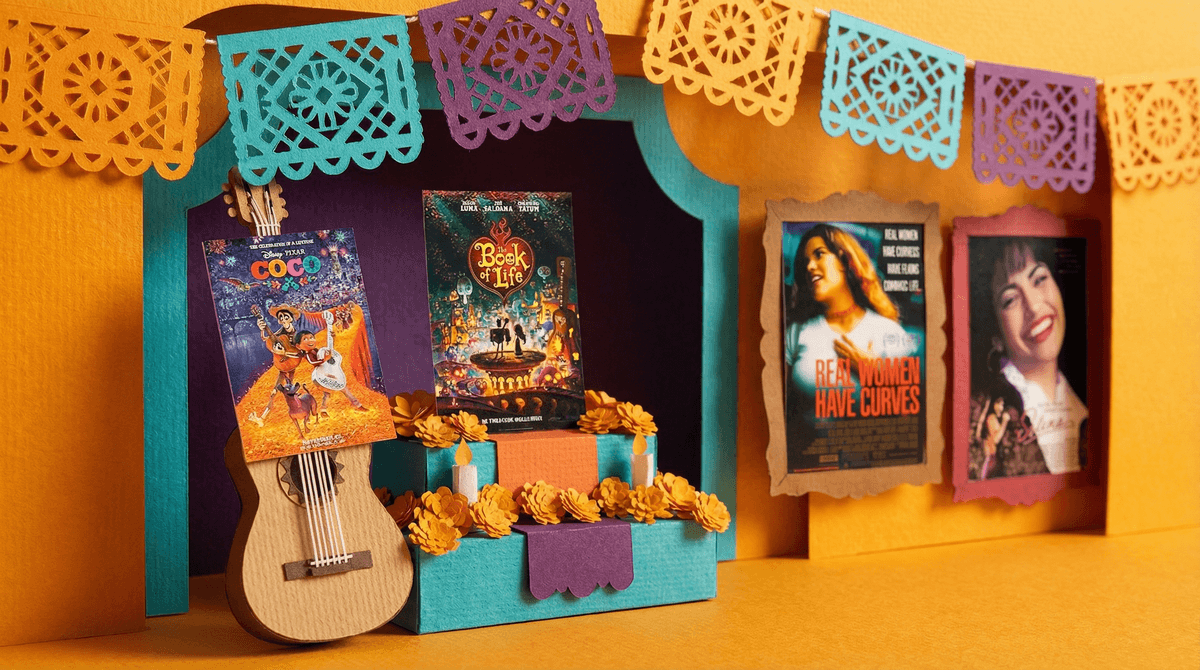
Look, representation matters. And when it comes to Mexican characters in film, we've come a long way from the stereotypical sidekicks and maids of old Hollywood. Today's landscape includes everything from Pixar's Coco to Spider-Verse's Miles Morales (yes, he's half-Puerto Rican, but we'll get to representation nuances in a sec) to indie gems that actually center Mexican stories told by Mexican creators.
But here's the thing: not all representation is created equal. Some films authentically celebrate Mexican culture, history, and identity. Others? They're basically white stories with a Mexican character thrown in for diversity points. And some fall somewhere in between—well-intentioned but maybe missing the mark on cultural authenticity.
Screenwise Parents
See allThe good news: there are genuinely fantastic films out there that can help your kids see themselves reflected on screen (if they're Mexican or Mexican-American) or learn about a culture different from their own (if they're not). The trick is knowing what to look for and how to talk about what you're watching together.
For Mexican and Mexican-American kids: Seeing yourself reflected on screen—in complex, fully realized ways—is huge for identity development. It sends the message that your stories matter, your culture is valued, and you belong in the narrative.
For all kids: Exposure to diverse stories builds empathy, challenges stereotypes, and prepares kids for a multicultural world. Plus, Mexican culture has given us some of the most visually stunning, emotionally resonant storytelling in recent cinema. Your kids shouldn't miss out.
But let's be real: representation isn't just about having a Mexican character show up. It's about:
- Who's telling the story (Mexican creators vs. non-Mexican creators)
- How culture is portrayed (authentic vs. stereotypical)
- What role the character plays (protagonist vs. sidekick)
- Whether the story perpetuates stereotypes (the spicy Latina, the gang member, the maid)
For Younger Kids (Ages 5-10)
Coco is the obvious starting point, and for good reason. Pixar partnered with cultural consultants to create an authentic portrayal of Día de los Muertos, Mexican family dynamics, and the importance of remembering ancestors. The music is phenomenal, the animation is gorgeous, and yes, you will cry. Multiple times.
Encanto is Colombian, not Mexican—but it's worth mentioning because it shows how Disney is finally investing in authentic Latin American storytelling. If your kid loves Encanto, Coco is the natural next step.
The Book of Life came out before Coco and also centers on Día de los Muertos. Created by Mexican director Jorge Gutierrez, it's visually stunning with a unique animation style. Some kids find it a bit intense (there's a bullfighting scene), but it's a beautiful exploration of Mexican folklore and tradition.
For Tweens and Teens (Ages 11+)
Spider-Man: Across the Spider-Verse features Miles Morales, who's Afro-Latino (Puerto Rican and Black). While not specifically Mexican, it's incredible representation of Latino identity in a superhero context—and the film doesn't shy away from showing his bilingual household and cultural background.
McFarland, USA is based on the true story of a predominantly Latino high school cross country team in California. It's a sports movie, yes, but it also thoughtfully explores migrant farm worker families, economic challenges, and community pride. (Ages 10+)
Real Women Have Curves (2002) is a classic coming-of-age story about a Mexican-American teen in East LA navigating family expectations, body image, and her dreams of going to college. It's honest, funny, and deals with real issues Latina teens face. (Ages 13+)
Selena (1997) tells the story of Tejano music icon Selena Quintanilla. It's a beautiful family film that explores Mexican-American identity, the immigrant experience, and following your dreams. Jennifer Lopez is phenomenal. (Ages 10+)
For Older Teens (Ages 15+)
Y Tu Mamá También is a Mexican coming-of-age road trip film that's honestly a masterpiece—but it's rated R for a reason (sexuality, language, drug use). For mature teens only, and probably best watched with context.
Roma (2018) is Alfonso Cuarón's semi-autobiographical film about a domestic worker in 1970s Mexico City. It's in Spanish with subtitles, it's in black and white, and it's slow-paced—but it's also one of the most beautiful films of the decade. For teens who can handle more contemplative cinema.
Not every movie with Mexican characters is worth your time. Red flags:
- Stereotypical portrayals: gang members, maids, "spicy" personalities with no depth
- White savior narratives: where a white character comes in to "save" Mexican characters
- Cultural tourism: using Mexican culture as exotic backdrop without real understanding
- Tokenism: one Mexican character thrown in with no real story or development
Also, be aware that some older films that were groundbreaking for their time might not hold up today. Context matters—you can still watch them, but maybe with conversation about how representation has evolved.
Before the movie:
- "This film was made by a Mexican director. Why do you think that might matter?"
- "Have you seen Mexican characters in other movies? What were they like?"
During/after the movie:
- "What did you notice about how the family was portrayed?"
- "Did anything surprise you about Mexican culture?"
- "How is this character different from other Mexican characters you've seen?"
- "Do you think this story could only happen in Mexico, or could it happen anywhere?"
For kids who are Mexican or Mexican-American:
- "Did this feel authentic to you? What felt right? What felt off?"
- "Do you see yourself in this character?"
- "What would you want other kids to understand about Mexican culture from this movie?"
Representation in media is getting better, but it's still a work in progress. The best movies with Mexican characters are the ones created by Mexican filmmakers who bring authentic perspectives and lived experience to their storytelling.
Start with Coco if you haven't already—it's the gold standard for a reason. Then branch out based on your kid's age and interests. And remember: watching diverse films is just the beginning. The real magic happens in the conversations you have afterward.
Want more recommendations? Check out our guide to movies that celebrate diverse cultures or Spanish-language content for kids.
Curious about other representation in media? Learn more about why diverse storytelling matters for all kids .
.
Looking for something to watch tonight? Try Coco if your kids are younger, or McFarland, USA if they're tweens. Both are available on Disney+.