

You've probably seen those viral TikToks where teens dramatically caption their emotional breakdowns with "me before reading self-help" vs "me after." Well, emotional intelligence books have become a whole genre for Gen Z and Gen Alpha, and they're not just reading them—they're treating them like personality assessments and life manuals.
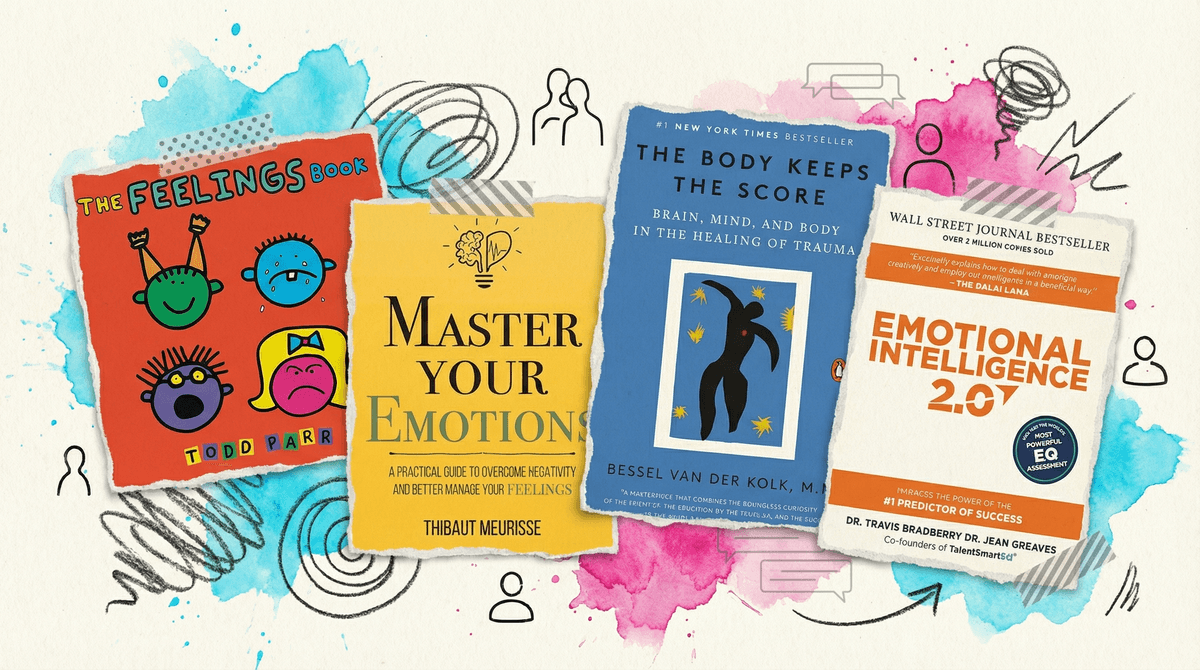
"Master Your Emotions: The Ultimate Guide to Emotional Intelligence" is one of many books promising to help readers understand and regulate their feelings. These guides typically cover recognizing emotions, managing reactions, understanding others' feelings, and developing better relationships. They're essentially the modern version of what used to be therapy-only territory, now packaged for mass consumption.
The question isn't whether emotional intelligence matters (it absolutely does). The question is: can a book actually teach it to your kid, and when are they developmentally ready to benefit from self-guided emotional learning?
Here's the thing: our kids are growing up in an emotional pressure cooker. Between curated Instagram lives, group chat drama that never turns off, and a cultural moment that's simultaneously telling them to "be authentic" while also canceling anyone who makes a mistake, they're navigating emotional complexity we never faced at their age.
Add to that: kids are talking about mental health more than ever, which is mostly good, but sometimes turns into what psychologists call "concept creep"—where every bad mood becomes depression, every worry becomes anxiety, and every preference becomes a trauma response. Self-help books can either help kids develop genuine emotional skills or just give them more labels to misapply to themselves.
The appeal is obvious. A book feels private, non-judgmental, and lets kids learn at their own pace without the vulnerability of therapy. For some kids, that's exactly what they need. For others, it's like trying to learn to swim from a manual while drowning.
Let's talk about when kids are actually ready for this stuff:
Ages 8-11: Most kids this age aren't ready for self-guided emotional intelligence work. Their brains are still developing the capacity for abstract thinking about feelings. They need concrete, in-the-moment coaching from adults. Think less "read this book about anger management" and more "let's notice what's happening in your body when you feel mad."
Ages 12-14: This is the transition zone. Some middle schoolers can start to benefit from structured emotional learning, but they still need scaffolding. A book might introduce concepts, but they need adults to help them apply those concepts to real situations. Reading about empathy doesn't automatically translate to not being a jerk to their sibling.
Ages 15-18: High schoolers can genuinely benefit from self-help books IF they're actually ready to do the work. The problem? Many teens treat these books like content to consume rather than practices to implement. They'll highlight every page, feel inspired for three days, then go back to their regular patterns. Understanding why this happens can help you support them better.
Self-help books aren't therapy replacements. If your kid is struggling with genuine mental health issues—depression, anxiety, trauma, eating disorders—a book is not the intervention they need. It's like putting a Band-Aid on a broken leg. It might make them feel like they're doing something, but it's not addressing the actual problem.
Reading about emotions isn't the same as regulating them. Emotional intelligence is a practice, not information. Your kid can know all about mindfulness and still throw their controller when they lose at Fortnite. The gap between knowing and doing is where the actual work happens.
These books can create a false sense of expertise. Teens who read a few emotional intelligence books sometimes start diagnosing everyone around them, weaponizing therapy language, or believing they've "done the work" when they've really just consumed content about doing the work. You'll know this is happening when your 14-year-old starts telling you that your "avoidant attachment style is triggering their anxiety."
The best use? As conversation starters. If your teen is interested in emotional intelligence books, read them together (or at least skim them yourself). Then talk about the concepts. Ask how they'd apply them. Share your own struggles with emotional regulation. Make it a dialogue, not a solo journey.
Instead of handing your younger kid a dense emotional intelligence guide, try:
For elementary schoolers: Books like "The Feelings Book" or "What to Do When You Worry Too Much" that are actually designed for their developmental stage. Better yet, watch shows like Inside Out together and talk about the feelings.
For middle schoolers: Graphic novels like "Guts" by Raina Telgemeier that show emotional struggles in story form, not as a textbook. Or try podcasts like Brains On! that explain emotional concepts in accessible ways.
For high schoolers: If they're genuinely interested, start with something more narrative like "The Body Keeps the Score" (for older teens) or "Emotional Intelligence 2.0" which has practical assessments. But pair it with real conversations.
Emotional intelligence is crucial, and it's great that kids are interested in developing it. But here's the truth: emotional intelligence is built through relationships, not just reading. The most emotionally intelligent kids aren't the ones who've read the most self-help books—they're the ones who've had adults in their lives helping them name feelings, navigate conflicts, repair relationships, and practice empathy in real time.
If your teen wants to read emotional intelligence books, don't dismiss it. That interest is valuable. But don't outsource their emotional education to a book either. Read it with them, or at least talk about what they're learning. Ask questions like "How would you actually use that?" and "What makes that hard to do?"
And if you're seeing signs of real struggle—withdrawal, mood changes, school problems, relationship issues—don't let a self-help book delay getting actual professional support. Books are tools, not solutions.
If your younger kid is struggling emotionally: Focus on building emotional vocabulary together through daily conversations, not books. Name feelings when you see them: "You seem frustrated right now" or "I notice you're really excited about this."
If your teen wants to explore emotional intelligence: Ask them what specifically they're hoping to learn or change. That conversation will tell you whether they're ready for self-guided work or need more direct support.
If you're not sure where your kid is developmentally: Talk to their school counselor or pediatrician about what's age-appropriate for emotional learning. They can help you distinguish between normal development and areas that need support.
And remember: you don't have to master your own emotions perfectly to help your kid develop theirs. You just have to be willing to stay in the conversation, even when it's messy. Especially when it's messy.