

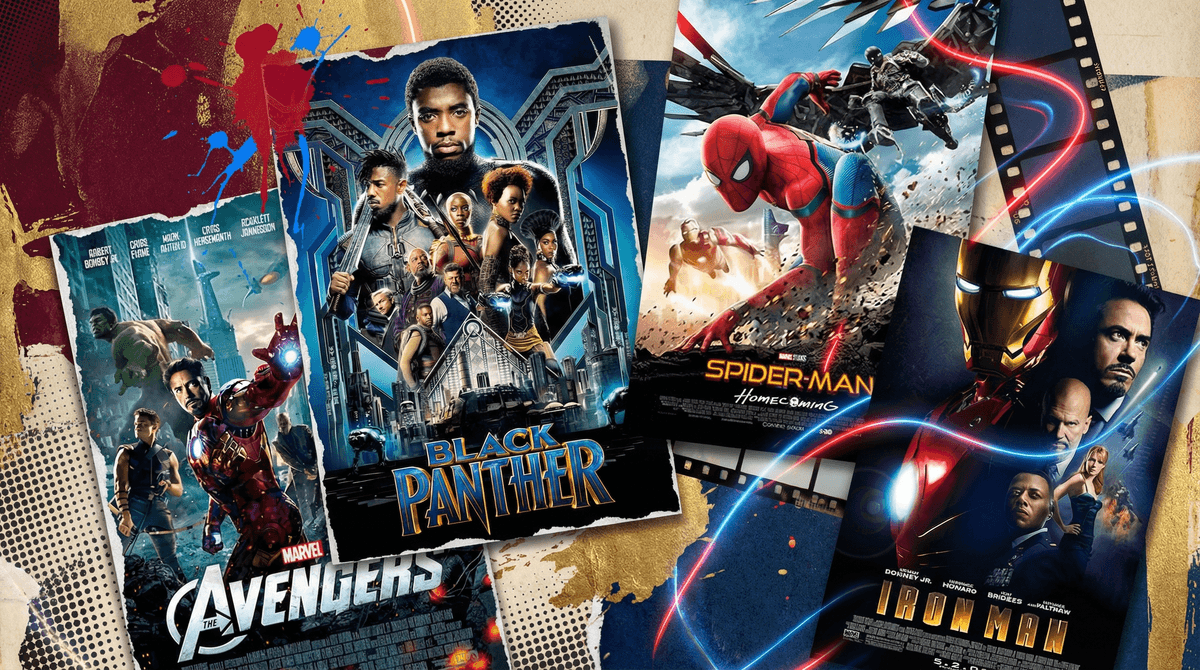
The Marvel Cinematic Universe (MCU) is a sprawling franchise of 30+ interconnected superhero films (plus TV shows, but we'll get to that). It kicked off with Iron Man in 2008 and has become the highest-grossing film franchise of all time. Think of it as one massive story told across multiple movies, with recurring characters, inside jokes, and post-credit scenes that tease what's coming next.
Here's the thing: you don't need to watch all 30+ films to enjoy the MCU. I repeat: you do NOT need to marathon everything. But if your kid is getting into superheroes, or you want to have a family movie series that actually has some depth, understanding the basics of watch order will save you from confusion and "Wait, who's that guy again?" moments.
Screenwise Parents
See allThere are two main ways to watch: release order (the order the films came out in theaters) or chronological order (the order events happen in the MCU timeline). For families, I'm going to be blunt: release order is almost always better. Chronological order sounds fun in theory but kills the pacing and ruins reveals that were designed to land in a specific sequence.
The MCU nailed something that's hard to pull off: it made superhero movies that work for both kids and adults. There's action, humor, genuine character development, and a sense that you're part of something bigger. When The Avengers came out in 2012 and brought together characters from previous films, it was a cultural moment—and kids today still feel that excitement when they connect the dots between movies.
Plus, the diversity of tones means there's something for everyone. Want comedy? Thor: Ragnarok. Want spy thriller? Captain America: The Winter Soldier. Want cosmic weirdness? Guardians of the Galaxy.
Here's where it gets real: the MCU has a wide range of intensity, and not every film is appropriate for every age. The MPAA slaps PG-13 on almost all of them, but that rating is doing a LOT of heavy lifting.
Ages 6-8: Start Here
- Iron Man (2008) – Some violence but mostly tech and humor
- Guardians of the Galaxy (2014) – Fun, colorful, great soundtrack
- Ant-Man (2015) – Lighter tone, heist comedy
- Spider-Man: Homecoming (2017) – Teen hero, school setting, relatable
Skip for this age: Anything with "dark" in the title. The Dark World is boring but fine; I'm talking about the emotionally heavy stuff.
Ages 9-11: Expanding the Universe
At this age, most kids can handle the core Avengers films:
- The Avengers (2012) – The team-up that started it all
- Captain America: The First Avenger (2011) – WWII setting, clear good vs. evil
- Black Panther (2018) – Stunning visuals, strong themes, some intense action
Watch out for: Avengers: Infinity War (2018) ends on a genuinely upsetting note. Half the heroes disintegrate into dust. It's a cliffhanger that can be rough for younger kids who don't know there's a sequel.
Ages 12+: Full MCU Access (Mostly)
By middle school, most kids can handle the full MCU experience, including the heavier films:
- Captain America: The Winter Soldier (2014) – Political thriller, government surveillance themes
- Avengers: Endgame (2019) – Emotional payoff, character deaths
- Black Widow (2021) – Deals with trafficking and abuse (handled carefully but still heavy)
The one exception: Eternals (2021) has a sex scene (clothed but clearly implied). It's brief, but it's there. Just FYI.
Forget the complicated charts. Here's what actually works:
Option 1: The Starter Pack (5 films)
If you want to dip your toes in without committing to 30+ movies:
- Iron Man (2008)
- The Avengers (2012)
- Guardians of the Galaxy (2014)
- Black Panther (2018)
- Spider-Man: Homecoming (2017)
These are the most kid-friendly, require minimal context, and give you a taste of what the MCU offers.
Option 2: The Full Experience (Release Order)
If your family is all-in, watch them in release order. Start with Iron Man (2008) and work your way through. You can find the full release order list here, but honestly, Disney+ has them organized by release date already.
Pro tip: You can skip The Incredible Hulk (2008) and Thor: The Dark World (2013) without missing much. They're not bad, but they're not essential, and life is short.
Oh boy. So Disney+ has a bunch of MCU TV series (WandaVision, The Falcon and the Winter Soldier, Loki, etc.). Some are great! Some are... fine.
The honest truth: You don't need to watch the shows to understand the movies. They add depth, but they're not required viewing. Loki is probably the most important for understanding the current phase, but even then, the movies will catch you up.
If your kid loves the MCU and wants more, the shows are a good next step. But don't feel like you're failing if you skip them.
The MCU is a genuinely impressive achievement in storytelling, and it can be a great shared experience for families—if you're intentional about which films you watch and when. Don't let your 7-year-old watch Infinity War without warning them about the ending. Don't feel pressured to watch all 30+ films. And for the love of all that is holy, you can skip the post-credit scenes if your kid needs to pee.
Start with the lighter films, see what resonates, and build from there. The beauty of the MCU is that it's designed for repeat viewing and discovery. Your family can always go back and fill in the gaps.
- Check out our MCU movie ratings and reviews to see which films align with your family's values
- Set expectations before watching: Talk about what makes a movie "too scary" or "too intense" for your kid, and be ready to pause or skip
- Make it a ritual: MCU movie nights can become a family tradition, complete with popcorn and post-movie discussions about heroism, sacrifice, and why Tony Stark is both brilliant and deeply flawed
And if you're wondering whether the MCU is teaching good values or just selling action figures, let's talk about that .
.