

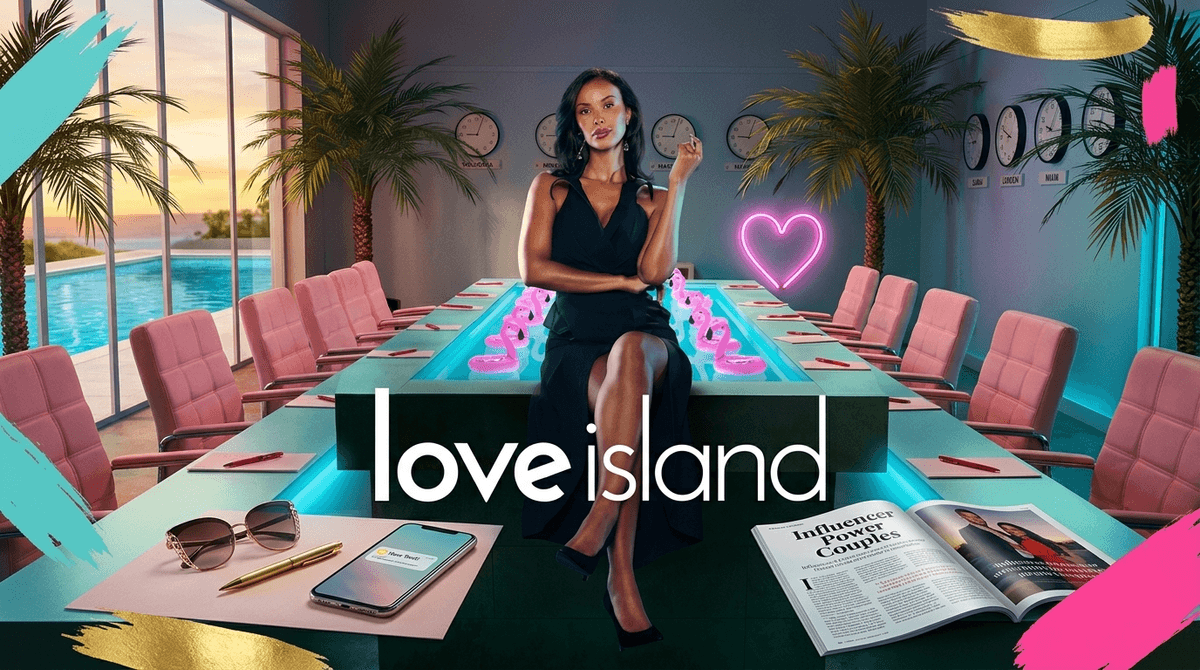
TL;DR: Love Island is the ultimate "guilty pleasure" reality show that has become a cultural cornerstone for Gen Z and Gen Alpha. While it’s packed with fast fashion, "grafting," and high-voltage drama, it also offers a surprisingly fertile ground for parents to discuss relationship red flags, body image, and the reality of influencer culture. It’s generally best for ages 15+ due to suggestive themes and mature language.
Quick Links for the Villa-Obsessed:
- The Show: Love Island (Show)
- The Comparison: Too Hot To Handle
- The Social Fallout: Instagram and TikTok
- The Guide: How to talk to teens about reality TV
If you’ve managed to avoid the neon signs and the sound of someone yelling "I've got a teeeeeext!" for the last decade, here’s the lowdown. Love Island is a reality dating competition where a group of "islanders" live in a luxury villa, isolated from the outside world, in an attempt to find love (and win a £50,000/ $50,000 prize).
In 2026, the franchise has expanded into "All Stars" seasons and international crossovers that make the Marvel Cinematic Universe look simple. The format relies on "coupling up." If you aren't in a couple, you’re at risk of being dumped from the island. It’s a mix of strategic gameplay, genuine emotion, and a lot of people sitting on outdoor daybeds talking about their "type on paper."
It’s not just about the tan lines. For teens, Love Island is social currency. It’s the "water cooler" show of the digital age.
- The "Tea": The drama is constant. Between "Casa Amor" (where couples are split up and tempted by new bombshells) and the Twitter/X challenges, there is always something to dissect.
- The Aesthetic: From the neon decor to the fast fashion partnerships, the show defines a specific "look" that dominates TikTok feeds.
- The Language: If your kid starts saying someone is "moving mad," "muggy," or "giving him the ick," you can thank the villa. It’s a linguistic playground.
Ask our chatbot why Love Island slang is taking over your house
Let’s be real: Love Island is not for middle schoolers. While the most explicit "bedroom" scenes are often edited down compared to earlier seasons, the entire premise is built on physical attraction and sexual tension.
- Ages 12-14: High-level caution. The body image pressure alone is a lot for a developing brain. If they are watching, it should probably be with a parent nearby to roll their eyes at the more ridiculous "tests."
- Ages 15-18: This is the core teen audience. At this age, the focus should shift from "Can they watch it?" to "What are they taking away from it?"
If you're looking for something slightly more wholesome (or at least less focused on bikinis), you might steer them toward The Amazing Race or even The Great British Bake Off.
When we talk about "safety" with a show like Love Island, we aren't talking about physical safety. We’re talking about mental and emotional health.
1. The Body Image Industrial Complex
Every single person in the villa looks like they spend 4 hours a day at the gym and has a professional glam squad. In 2026, with the rise of AI-filtered content and "tweakment" culture, the pressure to look like an Islander is at an all-time high. Read our guide on body image and social media
2. Toxic Relationship Dynamics
The show thrives on conflict. You will see "gaslighting," "love bombing," and "breadcrumbing" play out in real-time. While producers have gotten better at intervening in recent years, the "All Stars" drama often rewards toxic behavior with more screen time.
3. The Social Media Echo Chamber
The show doesn't end when the credits roll. The contestants' lives are dissected on Instagram and TikTok. The "comments section" culture surrounding the show can be incredibly toxic, involving cyberbullying and intense parasocial relationships.
Look, Love Island is essentially a soap opera where the actors are real people who are very thirsty for a PrettyLittleThing contract. It is not "educational" in the traditional sense, but it is an incredible case study in human behavior.
If your teen is watching, they are seeing a version of "dating" that is highly manufactured. They are seeing people get "dumped" via text message and watched by millions. It’s important to remind them that the villa is a pressure cooker designed by producers to create maximum stress—it’s not how real life works.
Also, be aware of the "aftercare" controversies. The show has a complicated history with the mental health of its contestants post-show. Discussing this with your teen can be a great way to talk about the ethics of reality TV.
Instead of banning the show (which usually just leads to them watching it on a friend's phone), use it as a conversation starter. Here are some "non-cringe" ways to bring it up:
- On Red Flags: "I noticed how [Islander Name] reacted when they didn't get their way. Does that seem like a healthy way to talk to a partner?"
- On Body Image: "It's wild that everyone in there has the exact same body type. Do you think that's realistic, or is that just 'TV reality'?"
- On Influencer Culture: "What do you think happens to these guys when the show ends? Do you think they actually want to find love, or are they just looking for followers on Instagram?"
- On Consent and Respect: "The way they 'claim' people in the villa is pretty intense. How would you feel if someone treated a relationship like a competition like that?"
Love Island is the ultimate "brain rot" show if watched in a vacuum, but for an intentional parent, it’s a 60-minute nightly window into the themes your teen is navigating in their own social circles.
It’s spicy, it’s often shallow, and the "All Stars" drama can be exhausting. But if you can get past the neon swimsuits, you’ll find plenty of opportunities to talk about what it actually means to be a "loyal" friend and a respectful partner.
- Watch an episode together. Yes, really. It’s the best way to understand the specific dynamics your teen is obsessed with.
- Check their social feeds. If they follow every Islander on TikTok, their "For You" page is going to be dominated by villa drama for months.
- Set boundaries on "Live" viewing. The show airs late and often. Make sure it’s not cutting into sleep or homework.