

Look, we've all been there. It's Friday night, you finally get everyone fed and settled, you open Netflix or Disney+, and suddenly you're paralyzed by choice. Is this movie actually appropriate for your 7-year-old? Will your 10-year-old be bored? And why does every "family movie" seem to have that one unexpectedly intense scene that you'll be dealing with at bedtime for the next week?
Here's the thing: 92% of families in our community use streaming services regularly, with 40% letting kids choose content independently and another 40% watching together as a family. That means most of us are navigating these decisions constantly, often without great information about what we're actually signing up for.
This guide breaks down genuinely great movies by age range and theme—not just what's rated G or PG, but what actually works for different developmental stages and family values. Because a movie that's technically "appropriate" can still be totally wrong for your kid, and vice versa.
Movies aren't just entertainment—they're often our kids' first exposure to complex emotions, moral dilemmas, and different perspectives. A well-chosen film can spark amazing conversations. A poorly-chosen one can trigger anxiety, nightmares, or just waste two hours of precious family time.
The ratings system (G, PG, PG-13, R) gives us a starting point, but it's pretty blunt. Some PG movies have content that feels more intense than certain PG-13 films . And streaming platforms' age recommendations? Let's just say they're... optimistic.
Ages 3-5: Building Blocks
At this age, kids need simple plots, clear emotions, and not-too-scary conflicts. They're learning to follow a story and identify with characters.
Classics that hold up:
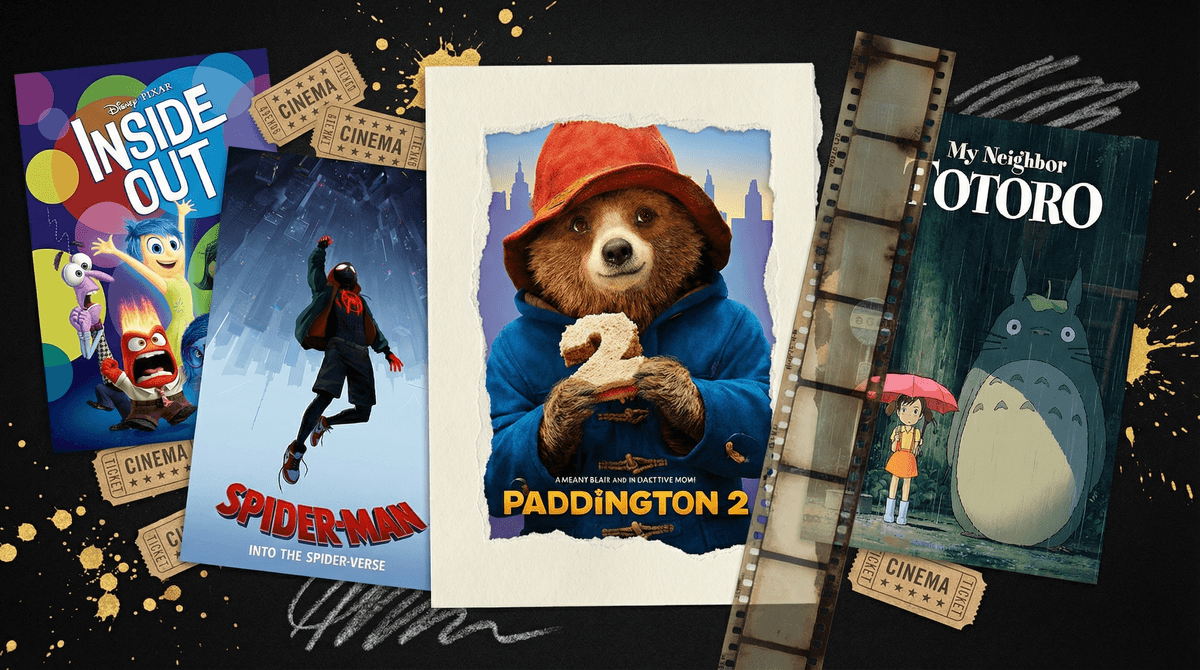
- Paddington and Paddington 2 (genuinely delightful, even for adults)
- Moana (adventure without the scary villain)
- My Neighbor Totoro (slow-paced, gentle, gorgeous)
- The Muppet Movie (silly, musical, timeless)
What to watch for: Even "gentle" movies can have moments that overwhelm little kids. The ocean scene in Finding Nemo? Terrifying for many preschoolers. Know your kid's sensitivity level.
Ages 6-8: Expanding Horizons
Now they can handle more complex plots, mild peril, and stories about friendship, courage, and problem-solving. They're ready for movies with real stakes, but not real danger.
Solid choices:
- The Iron Giant (beautiful, emotional, thoughtful)
- Encanto (family dynamics they'll recognize)
- Kubo and the Two Strings (stunning animation, hero's journey)
- The Princess Bride (adventure, humor, romance that's not gross)
- Spirited Away (weird, wonderful, slightly intense)
Theme spotlight—Friendship: Luca, Turning Red, and The Mitchells vs. The Machines all explore what it means to be a good friend while being yourself.
Ages 9-12: Real Feelings, Real Stakes
Tweens can handle more emotional complexity, moral ambiguity, and even some scary moments—if they're earned by the story. They're thinking about identity, justice, and where they fit in the world.
Movies that respect their intelligence:
- Spider-Man: Into the Spider-Verse (visually innovative, emotionally real)
- Inside Out (literally about emotional complexity)
- Coco (deals with death beautifully)
- Hunt for the Wilderpeople (quirky, funny, surprisingly touching)
- E.T. (still works, still makes everyone cry)
Theme spotlight—Standing Up for What's Right: Hidden Figures, Akeelah and the Bee, and Whale Rider show different ways to challenge injustice and prove yourself.
Ages 13+: Almost Adult Territory
Teens can handle almost anything, but that doesn't mean everything is worth their time. Look for films that challenge them intellectually and emotionally without being gratuitous.
Movies worth their time:
- Everything Everywhere All at Once (wild, weird, about parent-child relationships)
- The Truman Show (surprisingly relevant to social media culture)
- Lady Bird (mother-daughter dynamics, coming of age)
- Arrival (smart sci-fi about communication)
- Knives Out (clever mystery, great ensemble)
Co-viewing is underrated. Yeah, 30% of families let kids use Amazon Prime freely, but watching together—especially for new content—gives you the chance to gauge reactions and talk through anything confusing or upsetting in real time.
Your kid's sensitivity matters more than their age. Some 8-year-olds can handle The Goonies, others will be up all night worried about the Fratellis. You know your kid best.
Preview when possible. Common Sense Media, IMDb parent guides, and even checking specific content concerns can help you make informed choices before you hit play.
Themes matter as much as content. A movie without violence can still be emotionally heavy. A movie with some action can teach valuable lessons about courage and compassion.
There's no perfect movie for every kid at every age, but there are lots of great options when you know what you're looking for. The goal isn't to shield kids from every uncomfortable moment—it's to choose films that challenge them appropriately and give you opportunities to connect and discuss.
With 80% of families using Netflix or other streaming services regularly, we're all making these choices constantly. Take the time to be intentional about it. Your Friday night movie can be more than just screen time—it can be a shared experience that matters.
- Check out specific movie guides on Screenwise for detailed breakdowns of content and themes
- Create a family movie list together so everyone has input on what you watch
- Explore alternatives to endless scrolling through streaming catalogs
- Talk to your kids after movies about what they liked, what confused them, what they'd do differently than the characters
Remember: the "best" movie is the one that works for your family, right now, with your values and your kids' needs. Trust yourself.