

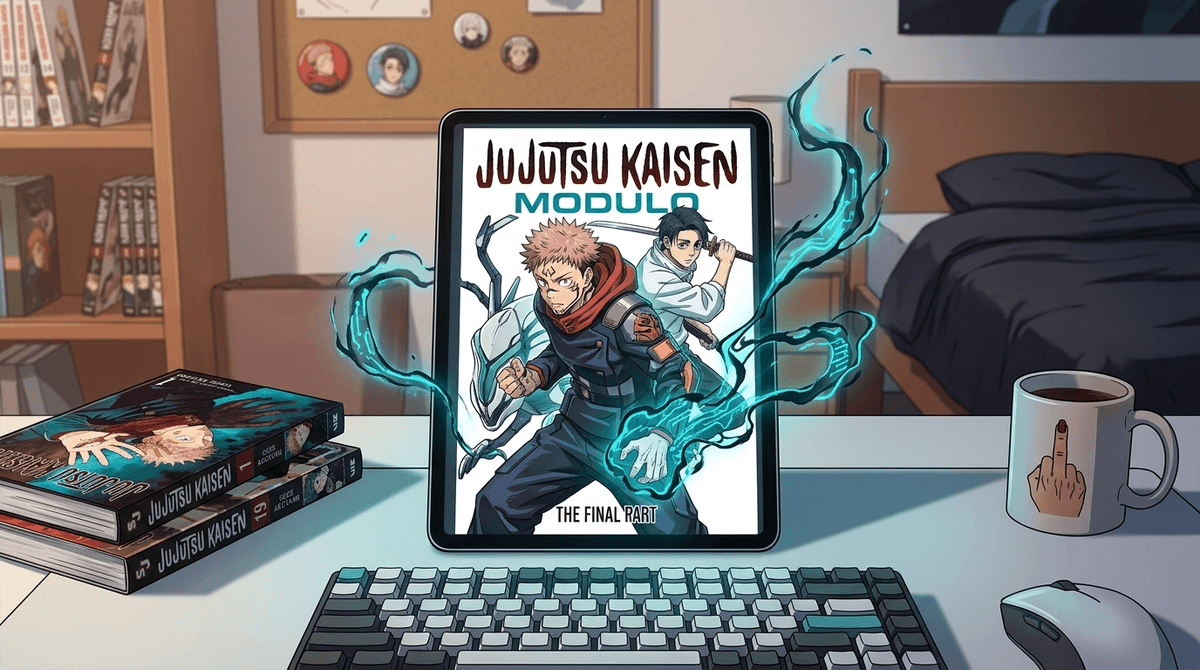
TL;DR: The experimental sci-fi sequel to the massive Jujutsu Kaisen franchise is wrapping up with Chapter 25. It’s been a wild ride involving "Simurian" aliens and the long-awaited return of Yuji Itadori. It's safe for most teens (13+), but expect high-stakes "sorcery-meets-sci-fi" violence and some emotional heavy lifting.
Quick Links for the Post-JJK Void:
- The OG Series: Jujutsu Kaisen (Manga)
- Where to Read Safely: Shonen Jump App
- The Next Big Shonen: Kaiju No. 8
- A Palate Cleanser: Stardew Valley
If your house is anything like mine lately, the dinner table conversation has probably drifted toward "Simurians," "Cursed Tech," and whether or not Yuji Itadori is actually going to survive the week.
Today is March 6, 2026, and the final chapter of Jujutsu Kaisen Modulo—Chapter 25—has officially landed. If you’ve been out of the loop, Modulo was the unexpected, experimental "mini-sequel" to Gege Akutami’s original Jujutsu Kaisen. It took the sorcery we knew and threw it into a near-future sci-fi setting.
It’s been a short, intense burst of storytelling, and the finale is currently trending everywhere. Here is the parent-to-parent breakdown of what’s happening, why your kids are obsessed, and how to handle the "post-manga blues" that are inevitably coming.
After the original JJK wrapped up, fans were left wanting more. Modulo was the answer. It’s set a few years in the future where "Curses" have evolved or, more accurately, merged with a new threat: the Simurians.
These aren’t your standard "little green men." The Simurians are interdimensional entities that feed on the Cursed Energy of humanity. Think of them as high-tech, sleek, terrifying versions of the monsters from the original series.
Chapter 25 is the "Grand Finale." It’s the moment where the conflict between human sorcery and alien biology finally hits its breaking point. For kids who grew up with the original Jujutsu Kaisen, this chapter represents the definitive end of an era.
The "JJK" brand is known for one thing: stakes. In most kids' media, the hero wins, everyone goes home, and they eat ramen. In JJK, the creator (Gege Akutami) is notorious for "pulling no punches." Favorite characters die. The world changes forever.
The Return of Yuji Itadori
For the first 20 chapters of Modulo, the original protagonist, Yuji Itadori, was largely missing or mentioned in whispers. His "re-entry" into the story a few chapters ago was a massive cultural moment for Gen Alpha and Gen Z readers. Seeing him back in action in Chapter 25 is like seeing a retired superhero come back for one last fight.
The "Aura" and the Tech
The art style in Modulo shifted from the gritty, ink-heavy look of the original to something more "cyber-sorcery." It’s visually stunning. Kids love the "cool factor" of seeing traditional Japanese sorcery mixed with Simurian technology. It’s very "Ohio" (as they might say)—which in this context means weird, surreal, and slightly overwhelming.

If your kid is reading this on the Shonen Jump App or Manga Plus, they are in the right place. However, JJK is not Pokemon.
1. The Violence is Stylized but Intense
Chapter 25 features the final showdown with the Simurian "Hive-Mind." Expect body horror, disintegrating limbs (often regrown through "Reverse Cursed Technique"), and heavy-duty combat. It’s all black-and-white art, which tones down the gore compared to the Jujutsu Kaisen films, but the intensity is there.
2. Emotional Weight
JJK is famous for "trauma-dumping" on its characters. If your kid seems a bit down after reading the finale, it’s likely because a character they liked didn't make it, or the ending was "bittersweet." This is a hallmark of the series—it’s about finding meaning in a cruel world.
3. Safety and Piracy
Because Chapter 25 is the finale, there will be "leaks" all over TikTok, X (Twitter), and Discord. These leaks often lead kids to sketchy "scanslator" websites filled with predatory ads and inappropriate pop-ups. Pro-tip: Encourage them to wait for the official release on the Shonen Jump App. It’s only $2.99 a month, it’s safe, and it supports the creators.
You don't need to know the difference between a "Domain Expansion" and a "Simurian Void" to have a good conversation. Frame it around the themes:
- On Sacrifice: "Yuji has been through a lot. Do you think his choices in the end were worth it?"
- On Change: "How did the world of JJK change when the aliens showed up? Does it feel like a different story now?"
- On the Creator: "Gege Akutami is known for making fans cry. Did they get you this time, or was the ending satisfying?"
When a series this big ends, there’s usually a "content vacuum." Your kid might be looking for the next thing to hyper-fixate on. Here are my top recommendations for what to steer them toward next:
For the Action Junkie: Kaiju No. 8
If they loved the "monsters vs. humanity" aspect of the Simurians, this is the gold standard. It’s a bit more "heroic" and less depressing than JJK, making it a great follow-up.
For the Comedy Lover: Sakamoto Days
It’s about a retired legendary assassin who is now a chubby convenience store owner. The action is world-class, but the tone is much lighter and funnier.
For a Digital Detox: Stardew Valley
Sometimes, after watching the world almost end in a manga, kids just need to farm some blueberries and talk to a digital blacksmith. It’s the ultimate "brain-rot" antidote.
For the Reader: Percy Jackson & The Olympians
If they want that "hidden world of magic" vibe but you want them off a screen for a while, the PJO books are the classic go-to.
Jujutsu Kaisen Modulo Chapter 25 is a big deal in the digital culture of 2026. It’s the closing chapter of a story that has defined a generation of manga readers.
Is it safe? For ages 12-13 and up, absolutely. It’s complex, violent, and deeply emotional, but it’s also a masterclass in modern storytelling.
Is it "brain rot"? Not even close. JJK requires a lot of "active reading" to understand the complicated power systems and philosophical debates. It’s actually pretty high-brow for a "battle manga."
Next Steps: Check in with your kid tonight. Ask them if they’ve read the finale. If they have, be prepared for a 20-minute rant about Yuji Itadori’s "Aura." Just nod, listen, and maybe offer to grab them a volume of Sakamoto Days to help them move on.