

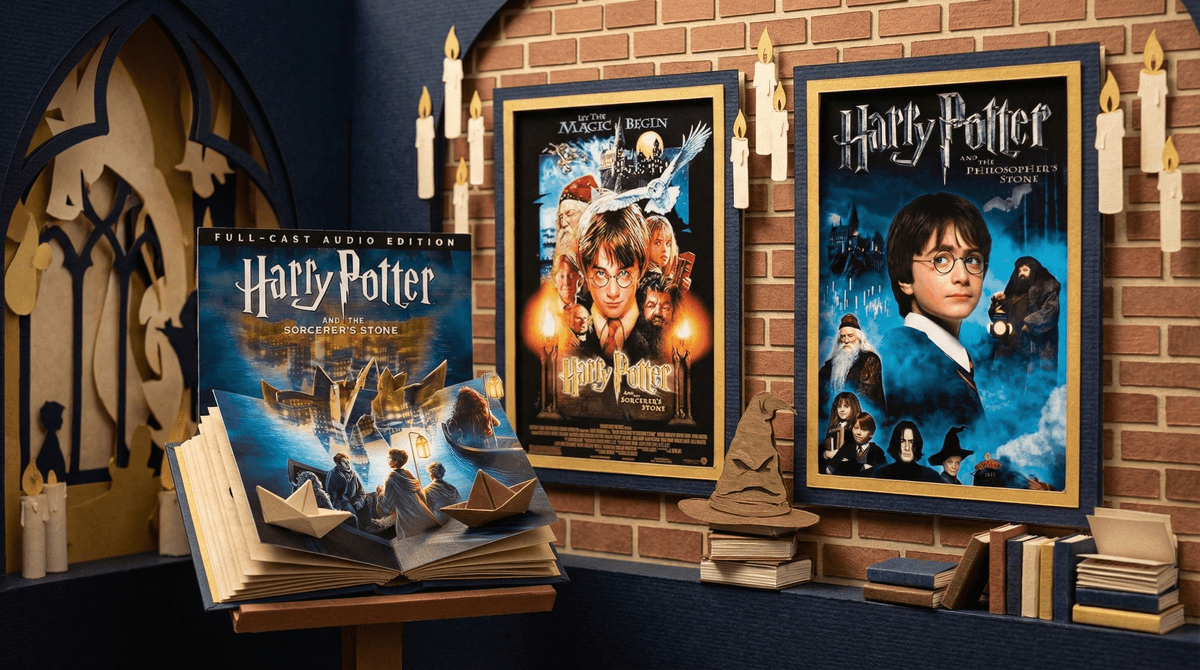
Here's the thing that confuses a lot of parents: Harry Potter and the Philosopher's Stone has different age ratings depending on where you live and what format you're looking at. The movie is rated PG in the US (and it's called the Sorcerer's Stone here, because apparently Americans can't handle the word "philosopher"). In the UK, it's also rated PG. The book, however, doesn't have an official age rating—publishers typically recommend it for ages 8 and up, though some list it as young as 7.
But here's what makes this tricky: age ratings are guidelines, not gospel. The PG rating means "Parental Guidance Suggested"—some material may not be suitable for children. And honestly? That vagueness is both helpful and maddening.
The Harry Potter series as a whole gets progressively darker. The first book/movie is the lightest, most whimsical entry. By the time you get to Order of the Phoenix or Deathly Hallows, we're dealing with death, torture, and genuine psychological horror. But Philosopher's Stone? It's mostly about an 11-year-old discovering he's a wizard and going to magic school.
The age rating conversation around Harry Potter is actually a perfect case study in how we think about age-appropriate content. Because here's the reality: millions of kids have read these books starting around age 7 or 8, and they turned out fine. But also? Some 10-year-olds find the movie genuinely scary.
The scenes that tend to freak kids out in the first movie:
- The troll in the bathroom (it's big, it's violent, Hermione is terrified)
- Voldemort's face on the back of Quirrell's head (body horror is real)
- Harry's encounters in the Forbidden Forest (dark, tense, creepy)
- The final confrontation scene (Quirrell literally disintegrates)
None of this is gratuitous or inappropriate, but it IS intense for some kids. And that's before we even talk about themes like child neglect (the Dursleys are genuinely abusive), death of parents, and the general anxiety of being the Chosen One at age 11.
Ages 6-7: Probably too young for most kids, especially the movie. The book might work as a read-aloud if your kid handles fantasy well, but be ready to skip ahead during scary parts or stop if they're not into it. If you're looking for magical alternatives for this age group , there are plenty.
Ages 8-10: This is the sweet spot for most kids. They can handle the scary moments, understand the plot, and really get invested in the characters. That said, know your kid. If they're sensitive to scary content, wait. If they had nightmares after Coraline, maybe hold off on Harry Potter.
Ages 11+: Pretty much universally fine. At this point, the question isn't "is this appropriate?" but "will they even want to read it?" Some middle schoolers feel like Harry Potter is "for little kids" now (oh, how the turntables).
The book gives kids more control over the pacing. They can close it, take breaks, process things in their imagination. The movie puts everything right in front of them—the troll is THERE, Voldemort's face is THERE, the tension is scored with ominous music.
Some kids do better with books first because they can build their own mental images. Others actually prefer the movie because it's shorter and they can see what's happening. There's no wrong answer here.
One thing worth noting: the Harry Potter movies get progressively longer and darker. The first one is 2.5 hours, which is a long sit for younger kids even if the content is fine.
The cultural phenomenon aspect: Harry Potter isn't just a book or movie—it's a whole universe. If your kid gets into it, be prepared for them to want Hogwarts Legacy (the video game), to watch every movie, to sort themselves into houses, to spend their allowance on wands at Target. It's a gateway drug to fandom culture, which can be wonderful but also overwhelming.
The J.K. Rowling situation: Older kids especially may encounter discussions about Rowling's controversial statements about transgender people. This has become a significant part of the Harry Potter conversation in recent years. If you need help navigating that conversation, you're not alone.
Reading level vs. emotional readiness: The first Harry Potter book is technically a 5th-6th grade reading level. But a kid who can read it doesn't necessarily have the emotional maturity to process all the themes. These are different skills.
The series commitment: Starting Harry Potter means potentially signing up for seven books and eight movies. That's a lot. Some families love doing this together over years. Others find it exhausting. Both are valid.
The official age ratings suggest 8+ for the book and PG (parental guidance) for the movie, and honestly? That's pretty reasonable for most kids. But you know your kid better than any rating system.
If your 7-year-old devours Percy Jackson and asks for more fantasy, they can probably handle Harry Potter. If your 9-year-old still gets scared during Encanto, maybe wait a year.
The beauty of Harry Potter is that it's not going anywhere. There's no rush. Your kid will get just as much out of it at 10 as they would at 8, maybe more.
- Watch or read it yourself first if you're on the fence. It's a quick read or a Friday night movie.
- Start with the book together as a read-aloud if your kid is on the younger end
- Check in during scary parts and be ready to pause, discuss, or stop if needed
- Consider watching the movie together first to gauge their reaction before committing to the whole series
And remember: if you start and your kid isn't ready, that's totally fine. You can always come back to it later. There's no Harry Potter police checking to make sure your 8-year-old has read Chamber of Secrets by third grade.
Want to explore other fantasy options for your kid's age? Screenwise can help you find the right fit for your family.