Hogwarts Legacy

Hogwarts Legacy

game

2023, Role-playing (RPG), Adventure

WISE
74%

WISE Score

80%

IGDB

Your Hogwarts acceptance letter finally arrived—complete with wand combat, moral dilemmas, and zero microtransactions.

Screenwise Verdict

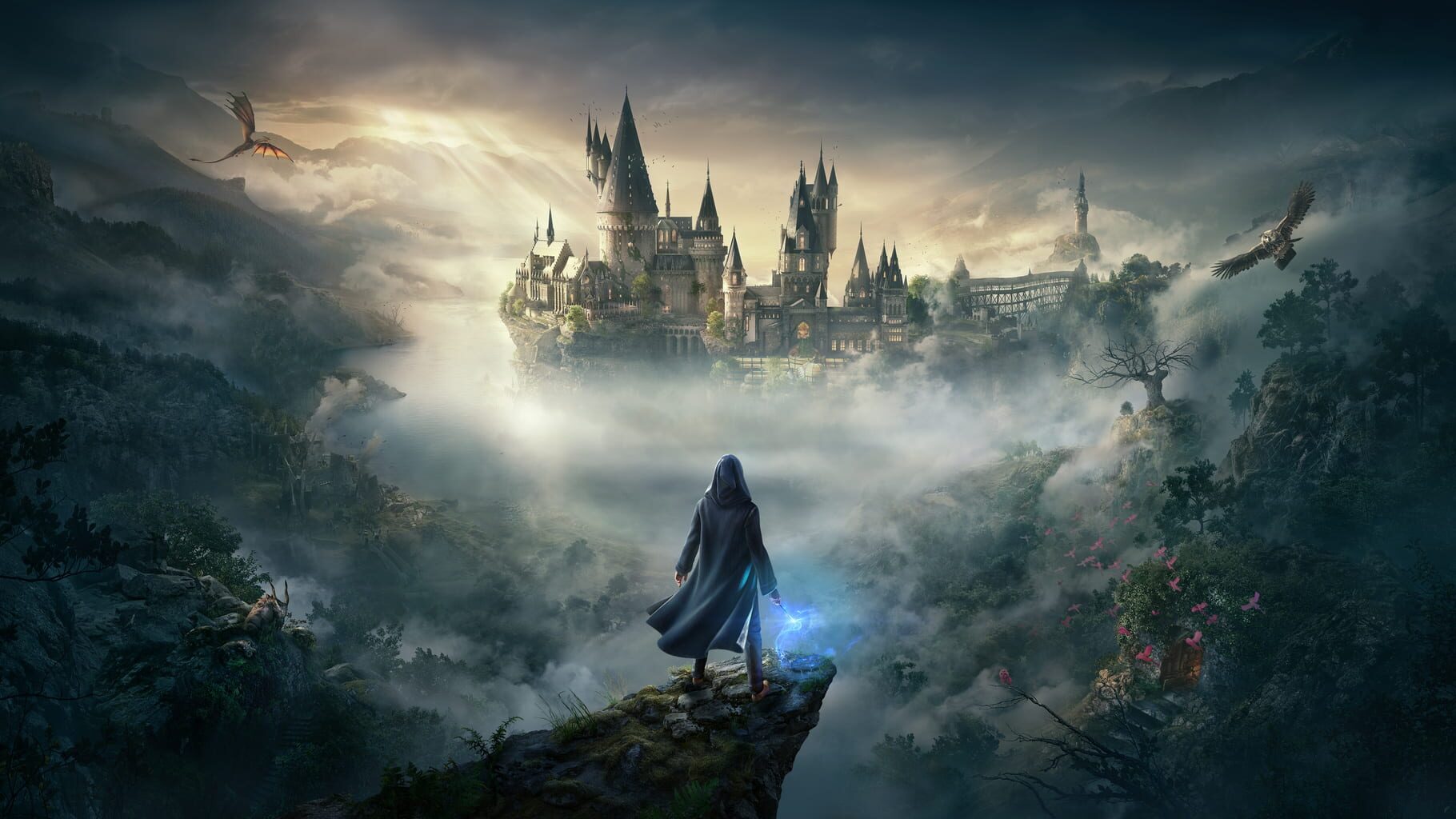
Hogwarts Legacy is basically the Harry Potter game fans have been dreaming about since 2001—a massive, gorgeous open world where you actually get to be a Hogwarts student with real choices and consequences.

The good news: It's genuinely imaginative and well-crafted, with no predatory monetization (a rarity in 2023 AAA games). Your kid will spend dozens of hours exploring, experimenting with magic, and making meaningful decisions. The world rewards curiosity and creativity.

The reality check: This isn't the whimsical tone of early Potter books. Combat is constant and central—you're battling dark wizards and creatures throughout. The game also lets you use unforgivable curses, including Avada Kedavra (the killing curse), which is... a choice the developers made. Some kids will think it's cool, others might find it unsettling, and it's definitely worth discussing.

For teens 13+ who love RPGs and can handle fantasy violence with moral complexity, this is a strong pick. For younger Potter fans still in the 'butterbeer and chocolate frogs' phase, maybe wait a year or two—or play together so you can talk through the heavier stuff.

Age Fit

Best for ages 13-17 who can handle persistent fantasy violence and wrestle with moral complexity. Younger Potter fans (10-12) might enjoy it with parental involvement, but the combat intensity and dark themes are genuinely more mature than the early books/movies.

WISE Breakdown
Wholesome
68

The game offers a classic good-vs-evil narrative with opportunities for heroic choices, friendship, and cooperation. However, combat is central to gameplay, including battling dark wizards and creatures with magical violence. The tone is generally appropriate for tweens/teens, but the emphasis on combat and some darker themes (goblin rebellions, dark magic choices) prevent a higher score. Players can choose to use unforgivable curses, which raises ethical questions without always clear consequences.

Imaginative
85

Exceptionally strong on imagination—players create their own wizard, explore a massive open world with familiar and new locations, discover magical creatures, craft potions, customize abilities, and genuinely shape their own adventure. The spell-casting system encourages experimentation, and the world invites curiosity and exploration. It's a sandbox for Harry Potter fans to live out their wizarding dreams with meaningful creative expression in character builds and playstyles.

Safe
72

No in-game purchases, loot boxes, or online chat significantly boosts safety from a monetization/social perspective. However, the game includes fantasy violence (magical combat, creature battles), some dark themes, and the option to use 'unforgivable curses' that can kill enemies. While not graphic or gory, the combat is persistent throughout. Users can interact online (likely leaderboards/sharing), but no direct chat mitigates toxicity concerns. The lack of official ESRB/PEGI ratings in the data is concerning, though the game is widely understood to be T-rated (Teen 13+).

Enriching
74

The game offers meaningful decision-making, problem-solving through puzzles and spell combinations, and resource management (potion crafting, talent upgrades). Players encounter ethical dilemmas about using dark magic and choosing sides in conflicts. The world-building encourages curiosity about magical ecosystems and history. However, it's primarily entertainment-focused action-RPG gameplay rather than deeply educational content. The skill-building is more about gaming competency (timing, strategy) than real-world transferable skills, though decision-making and consequences do carry some weight.

Parent Info
✓

Why It Might Be Great

  • Genuinely immersive open-world that lets kids live out their Harry Potter fantasies with real agency and creativity
  • Encourages exploration, experimentation with spell combinations, and strategic thinking in combat and puzzle-solving
  • Presents meaningful ethical choices about using dark magic and picking sides in conflicts—great fodder for discussions about power and responsibility
  • No predatory monetization whatsoever—buy it once, play the whole game, no surprise charges
  • Beautiful world-building that rewards curiosity about magical creatures, potions, and the wizarding world's history
⚠

What to Watch For

  • Combat is constant—you'll be fighting dark wizards, trolls, spiders, and other creatures throughout, though it's fantasy violence without gore
  • The game lets you learn and use 'unforgivable curses' (including the killing curse), which might warrant conversations about why these exist in the game
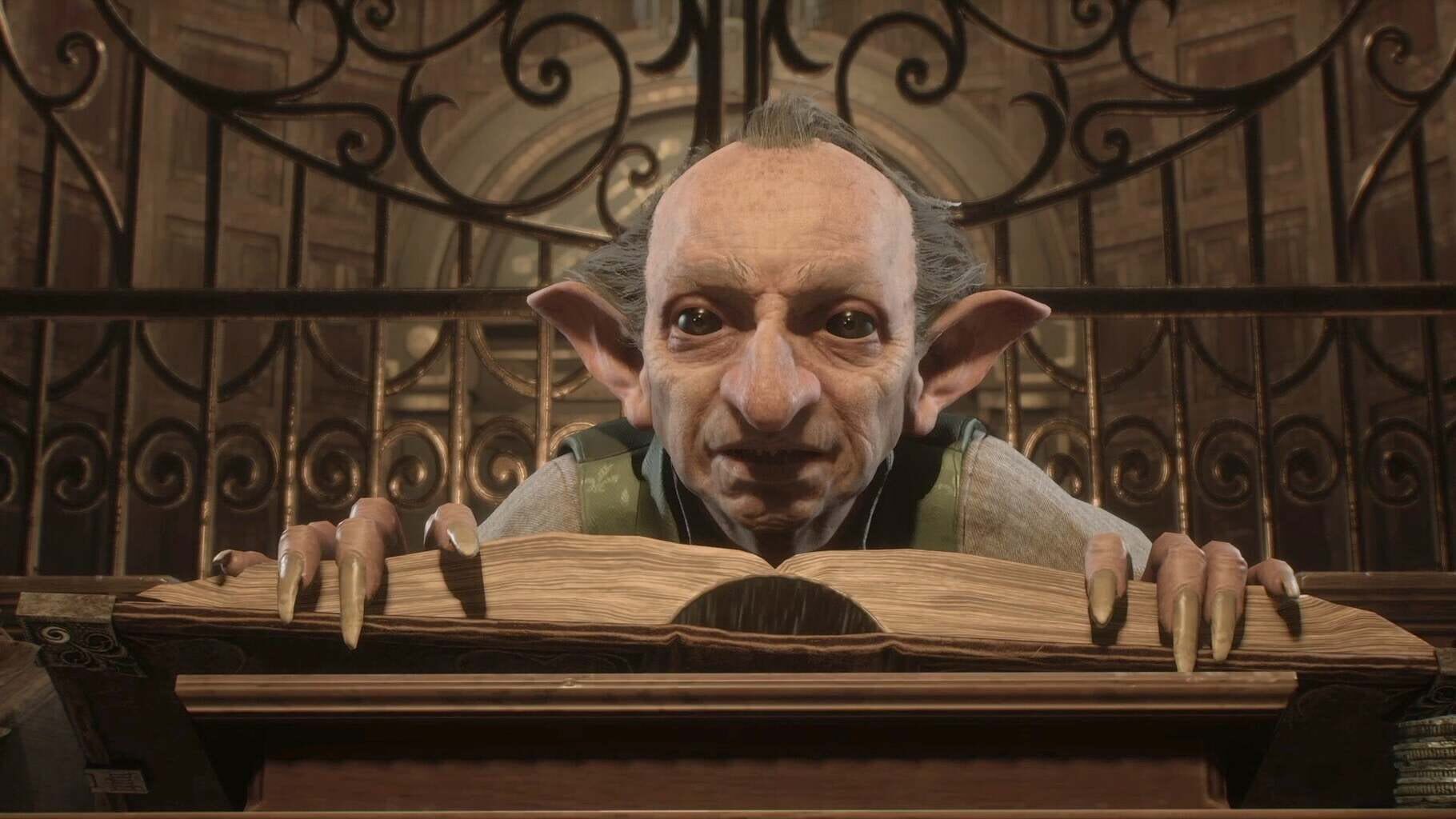
  • The main story involves some darker themes including goblin rebellions, prejudice, and morally gray choices
  • Expect 40-60+ hours of gameplay—this is a time investment that could crowd out other activities if not monitored

Conversation Starters

  • "If you could actually go to Hogwarts, what kind of wizard would you want to be? What would your specialty be?"
  • "The game lets you use some pretty dark magic—do you think your character should use those spells? Why or why not?"
  • "What do you think about how the game shows the goblin rebellion? Does it remind you of any real-world conflicts?"
  • "If you had to choose between being really powerful but using dark magic, or being less powerful but staying 'good,' what would you pick?"

Deep Dive

If your kid has been marinating in the first few movies, Hogwarts Legacy will feel like a massive escalation. This isn't a cozy simulator where you just attend Potions class and pet owls. It’s an open-world action RPG that leans heavily into the "war is coming" vibe of the later films. By the time you’re halfway through the story, the whimsical charm of the Great Hall is secondary to the fact that you are a highly mobile, incredibly dangerous magical combatant.

The "Combat-First" Reality

The core loop of this game is fighting. Avalanche Software built a system that feels surprisingly kinetic—think less "turn-based strategy" and more "magical John Wick." You’re juggling enemies in the air, parrying spells with precise timing, and using the environment to crush goblins. It’s why the game earned its Teen rating; while there’s no gore, the intensity of the encounters is miles beyond the LEGO games.

If your kid is used to the slower pace of Harry Potter books, the sheer volume of "vanishing" enemies might be a shock. You aren't just defending yourself; you are clearing out camps and taking down bosses. For a 13-year-old who thrives on Elden Ring or Spider-Man, this is a feature. For a 10-year-old who just wants to decorate their Room of Requirement, the mandatory combat gates might feel like a chore or even a bit stressful.

The Dark Arts Dilemma

The game famously allows players to learn the "Unforgivable Curses," including the killing curse. The interesting friction here is that the game doesn't actually punish you for using them. There is no "honor meter" that turns your character into a villain if you choose the dark path. This lack of an in-game moral compass is actually a great opening to talk about morality and ethics in gaming.

You can be the hero of Hogwarts while simultaneously using the darkest magic known to wizard-kind. It’s a bit of a narrative disconnect, but it’s a perfect "what would you do?" scenario. If the game doesn't stop you from being "evil," what stops you?

Where It Fits in 2026

Now that we’re looking at this game a few years after its debut—and with the HBO series bringing a fresh wave of Potter-mania—Hogwarts Legacy holds up as the definitive "big kid" entry in the franchise. On the Nintendo Switch 2, it finally runs with the visual fidelity it deserves, making the exploration of the Forbidden Forest actually feel intimidating rather than just blurry.

If you’re navigating the broader Hogwarts Legacy and its controversies, keep in mind that the game itself is a lonely experience. There is no multiplayer, no chat, and no way for strangers to contact your kid. It is a solo journey through a very high-budget version of their favorite world. If they can handle the combat and the 50-hour time commitment, it’s the most immersive way to "be there" without actually buying a plane ticket to Orlando.

Ask Anything

Get a personalized guide on any topic

Related Guides