

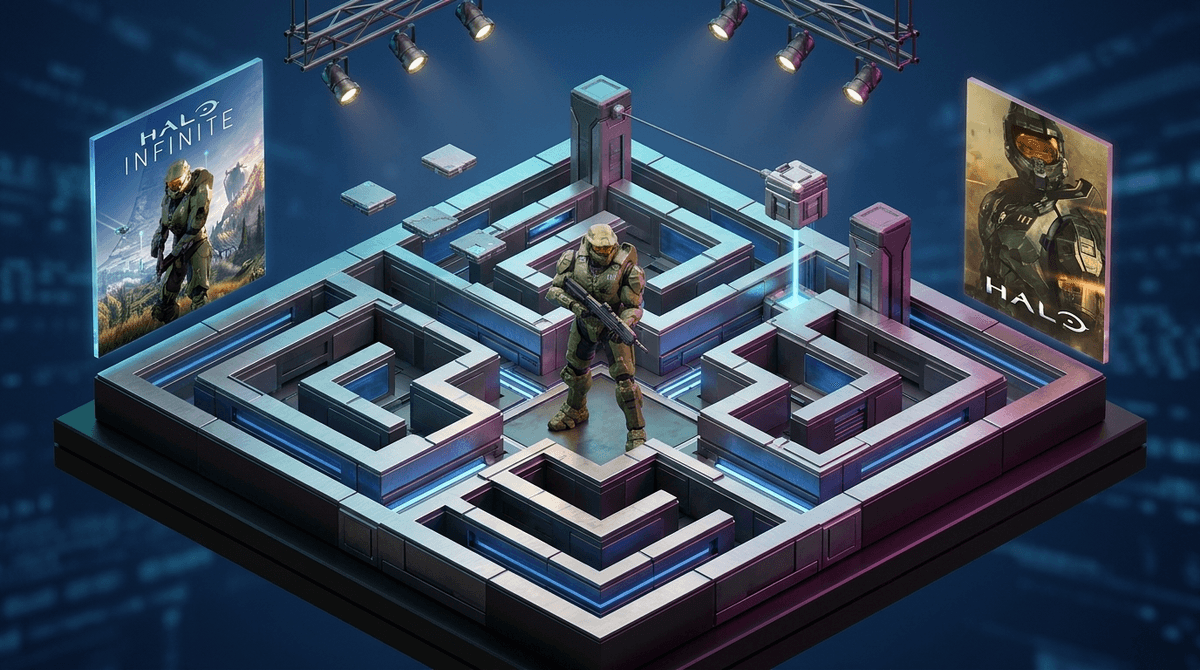
TL;DR: Halo Infinite is the latest entry in the legendary sci-fi shooter franchise. It’s rated T for Teen, featuring "blue blood" alien violence and online interactions. The multiplayer is free-to-play, which is great for the wallet but means it's packed with microtransactions and "Battle Passes" designed to keep kids hooked. It’s less "brain rot" than some Roblox simulators, but the competitive nature can lead to some spicy language in the chat.
Quick Links:
If you grew up in the 2000s, you probably remember the Master Chief. He’s the green-armored super-soldier who basically put Xbox on the map. Halo Infinite is the modern evolution of that. It’s split into two parts: a paid "Campaign" (the story mode where you fight aliens on a giant ring in space) and a "Multiplayer" mode that is completely free to download and play.
Because the multiplayer is free, it has become a massive draw for kids who have moved on from Fortnite or are looking for something a bit more "mature" without diving into the gritty, hyper-realistic violence of Call of Duty. It’s a "hero shooter" where players use futuristic guns, grenades, and cool gadgets like grappling hooks to capture flags or hold territories.
It’s the "Grappleshot," mostly. Halo Infinite introduced a mechanic where players can zip around the map like Spider-Man, and for a kid who has spent years building in Minecraft, the physics-based fun of Halo is a huge step up.
There’s also the competitive prestige. Unlike Roblox, where a lot of "skill" is just about who spent more money on a pet, Halo is a legitimate esport. Being "Good at Halo" carries a certain amount of weight in middle school and high school circles. It’s fast, it’s flashy, and it feels high-stakes.
We need to talk about the "Battle Pass." Since the multiplayer is free, the developers make their money by selling digital outfits (skins), weapon colors, and a seasonal "Battle Pass."
This is where the digital wellness struggle usually happens. These passes often use "FOMO" (Fear Of Missing Out) to keep kids playing. They’ll say, "Reach level 50 by Tuesday or you’ll never get this specific helmet again." This is usually why your kid is screaming "I can't pause it!" five minutes after you told them to come down for dinner. They aren't just playing; they are grinding for a digital reward that has a literal expiration date.
Learn more about how Battle Passes affect kids' dopamine levels
The ESRB gives Halo Infinite a T for Teen. Here’s the "No-BS" breakdown of what that actually looks like:
Violence
It’s a shooter, so yes, there are guns. However, it’s "cleaner" than a lot of other modern games. When you shoot an alien (an Elite or a Grunt), they bleed blue or purple sparks. When you shoot another player (a Spartan), their shields pop with a golden glow. There is no dismemberment, no realistic gore, and no "finishing moves" that feel unnecessarily cruel. It’s sci-fi fantasy violence.
Language
The game itself is pretty mild. You might hear a "damn" or "hell" in the story mode, but the real "language" issue comes from the other players.
Community Standards
In our community data, we see a massive spike in Halo usage starting around 6th grade (ages 11-12). While the rating says 13+, many parents feel that if a kid can handle the competitive stress of a soccer game, they can handle the sci-fi combat of Halo. However, for kids under 10, the complexity of the controls and the speed of the game might lead to more frustration than fun.
The biggest risk in Halo Infinite isn't the aliens; it's the 19-year-old in Ohio with a headset and a bad attitude.
Voice and Text Chat
Halo has built-in voice and text chat. By default, these can be open to everyone in the match. This is where your kid will encounter toxic behavior, "trash talk," and potentially inappropriate language. Pro-tip: You can go into the settings and toggle "Voice Chat" to "Friends Only" or turn it off entirely. Most kids these days actually prefer to talk to their real-life friends via Discord or an Xbox Party Chat anyway, which is much safer than talking to strangers.
Microtransactions
Is Halo draining the bank account? It can. While you don't need to spend money to win (it's not "pay-to-win"), the social pressure to not look like a "default" player is real. If your credit card is linked to the Xbox, have a conversation about a monthly "skin budget" before they accidentally drop $60 on a digital samurai suit.
Unlike Roblox or Fortnite (with its Creative mode), Halo Infinite features a tool called Forge.
Forge is actually incredible. It’s a complex level-editor that allows players to build their own maps and game modes. If your kid is spending hours in Forge, they aren't just "playing a game"—they are learning the basics of 3D geometry, logic scripting, and level design. This is the "entrepreneurship" side of Halo. High-quality Forge maps can even be officially adopted by the developers into the main game. If your kid is into this, encourage it! It’s a legitimate creative outlet.
If you want to have a real conversation with your kid about Halo, don't ask "Are you winning?" Ask these instead:
- "What’s your favorite Spartan loadout lately?" (Shows you know they can customize their character).
- "Have you tried building anything in Forge?" (Nudges them toward the creative side of the game).
- "Do people get toxic in the chat, or is everyone pretty chill?" (Opens the door to talk about digital citizenship without sounding like a lecture).
Halo Infinite is a high-quality, polished experience that is generally safer and more "prestige" than the wild west of Roblox. It’s a great "middle ground" game for tweens and teens who have outgrown "kiddie" games but aren't quite ready for the R-rated grit of Grand Theft Auto V.
Keep the chat restricted, keep an eye on the Battle Pass spending, and maybe even sit down and play a round of "Slayer" with them. You might find that your old-school Halo skills are still in there somewhere.