

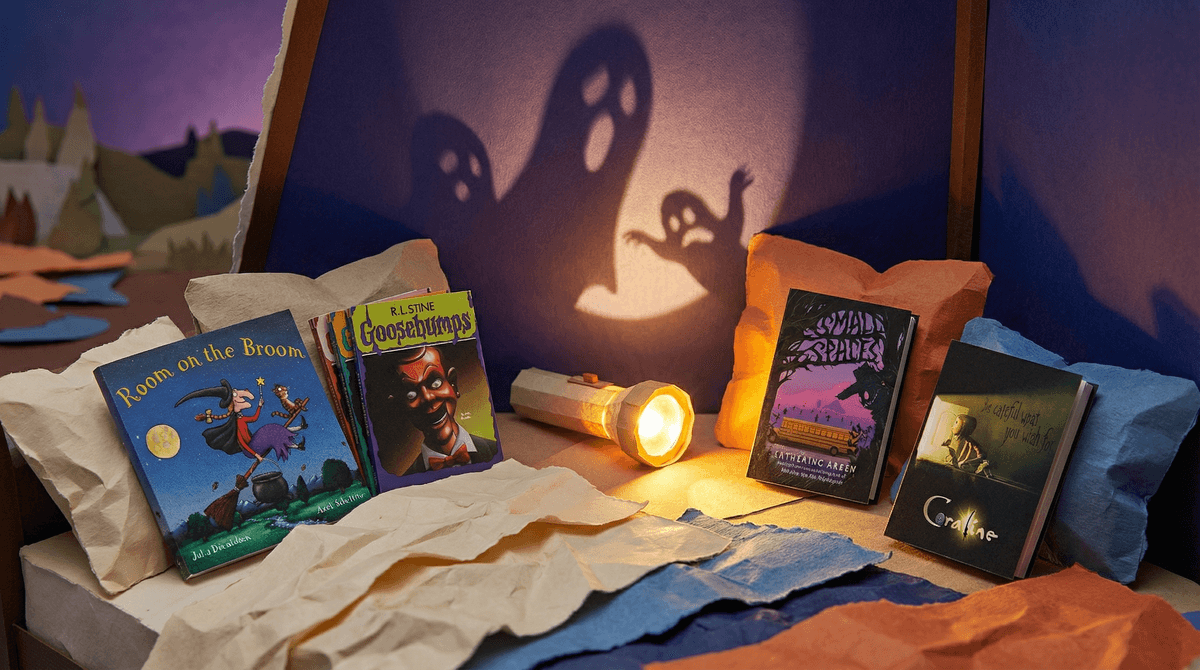
Ghost stories for kids are exactly what they sound like: spooky tales designed to give children that delicious little shiver without traumatizing them for life. We're talking about everything from picture books with friendly ghosts to middle-grade novels with actual scares, campfire stories that make kids pull their sleeping bags a little tighter, and yes, even some movies and shows that walk that fine line between "thrilling" and "therapy-inducing."
The thing is, not all ghost stories are created equal, and what works for one kid can send another spiraling into three weeks of bedtime anxiety. The challenge isn't whether ghost stories are "good" or "bad" for kids—it's finding the right level of spooky for YOUR kid at THIS moment in their development.
Here's the thing about scary stories: kids are drawn to them for really good developmental reasons. Ghost stories let children practice being afraid in a safe environment. They get to experience that adrenaline rush, that quickened heartbeat, those goosebumps—all while knowing they're actually safe on the couch or in bed with you nearby.
It's like emotional weightlifting. Kids are processing big feelings about death, the unknown, things they can't control, and the darkness (literal and metaphorical) in the world. A well-chosen ghost story gives them a framework to explore these anxieties without being overwhelmed by them.
Plus, let's be honest: there's something inherently social about ghost stories. Kids LOVE retelling them to friends, comparing what scared them, and building that shared experience of "remember when we watched that and you screamed?" It's bonding through controlled terror, and it's been happening around campfires for literally thousands of years.
Ages 3-5: Ghost Stories? More Like "Boo" Stories
At this age, we're talking about the gentlest possible introduction to spooky. Think friendly ghosts, silly monsters, and stories where the "scary" thing ends up being helpful or funny.
Good options:
- Goodnight Goon (parody of Goodnight Moon)
- Room on the Broom (witches, but make it cozy)
- [Spookley the Square Pumpkin](https://screenwiseapp.com/media/spookley-the-square-pumpkin-movie (Halloween-adjacent, zero scares)
At this stage, avoid anything with actual suspense or jump scares. Their brains literally can't distinguish between pretend danger and real danger yet, so even mild scares can be genuinely distressing.
Ages 6-8: Training Wheels Spooky
This is when kids start being able to handle mild suspense and slightly creepy atmospheres, but they still need clear resolutions and reassurance that everything's okay. The ghost should be explained, the mystery should be solved, and ideally there's some humor mixed in.
Good options:
- Goosebumps books (start with the milder ones like "Welcome to Dead House")
- Ghostwriter on Apple TV+ (mystery with a friendly ghost)
- Coraline (though honestly, this one can be too much for some 8-year-olds—know your kid)
- The Graveyard Book by Neil Gaiman (read-aloud recommended)
Ages 9-12: Real Scares Welcome
This is the sweet spot where kids can actually handle legitimate scary stories. They understand the difference between fiction and reality, they can manage their own emotional responses better, and honestly, they're SEEKING OUT the adrenaline rush of being scared.
Good options:
- Scary Stories to Tell in the Dark (classic, those illustrations are STILL nightmare fuel)
- Lockwood & Co. on Netflix (genuinely scary ghost hunting, great characters)
- Small Spaces by Katherine Arden (atmospheric and creepy)
- Ghostbusters: Afterlife (some scares but mostly adventure)
Ages 13+: They're Probably Already Watching Horror on TikTok
Let's be real—by this age, they've probably already seen clips from actual horror movies on social media, discussed creepypasta with friends, and have strong opinions about which Five Nights at Freddy's animatronic is the scariest. Your job shifts from gatekeeping to having conversations about what they're consuming and helping them process it.
Not all scares are created equal. Here's what to watch for:
Nightmares vs. Night Terrors: Occasional nightmares after a scary story are normal. But if your kid is having persistent sleep disruption, refusing to sleep alone when they used to be fine with it, or showing signs of genuine anxiety during the day, the content was too much.
Desensitization vs. Resilience: There's a difference between a kid who can handle age-appropriate scares and one who's consuming so much scary content they're becoming numb to it. If your 10-year-old is casually watching R-rated horror, that's not resilience—that's concerning.
The "Everyone's Watching It" Trap: Just because half the fourth grade watched A Quiet Place doesn't mean it was appropriate for them. PG-13 ratings exist for a reason, and some kids need to be 15 before they're ready for PG-13 scares.
Before watching or reading something spooky together:
Set expectations: "This story is supposed to be a little scary, but remember it's make-believe. If it gets too scary, we can stop anytime."
Create a safety signal: Let your kid know they can squeeze your hand, say a code word, or simply say "pause" if they need a break.
Debrief afterward: "What part was the scariest? What do you think about how they solved the mystery? Do you have any questions about what we watched?"
And here's the thing—if your kid says it was too scary, believe them. Don't push them to "toughen up" or finish something that's genuinely distressing them. There's zero benefit to forcing a kid through content that's overwhelming their nervous system.
Your kid's tolerance for scary content is not a reflection of their maturity or your parenting. Some incredibly brave, mature kids just don't enjoy being scared. Some anxious kids LOVE controlled scares because it gives them a sense of mastery over their fears. Neither is better or worse.
Also, sensitivity can be inconsistent. Your kid might handle a genuinely creepy ghost story just fine but be terrified by a silly Halloween decoration at the store. Brains are weird, and kids' brains are especially weird.
And please, don't use scary content as punishment or to "teach them a lesson" about being afraid. That's not building resilience—that's just mean.
Ghost stories can be a wonderful part of childhood when they're matched to your kid's developmental stage and individual temperament. Start gentle, check in frequently, and remember that you can always dial it back if something's too much.
The goal isn't to raise kids who never feel afraid—it's to raise kids who can feel afraid and know they're still safe, who can experience big emotions and come out the other side, and who maybe, just maybe, will tell their own kids about that one story that scared them so good when they were ten.
Next Steps:
- Check out our guide on age-appropriate Halloween movies for more specific recommendations
- If your kid is already deep into scary content, read about how to know if it's too much

- Looking for non-scary Halloween alternatives? We've got you covered