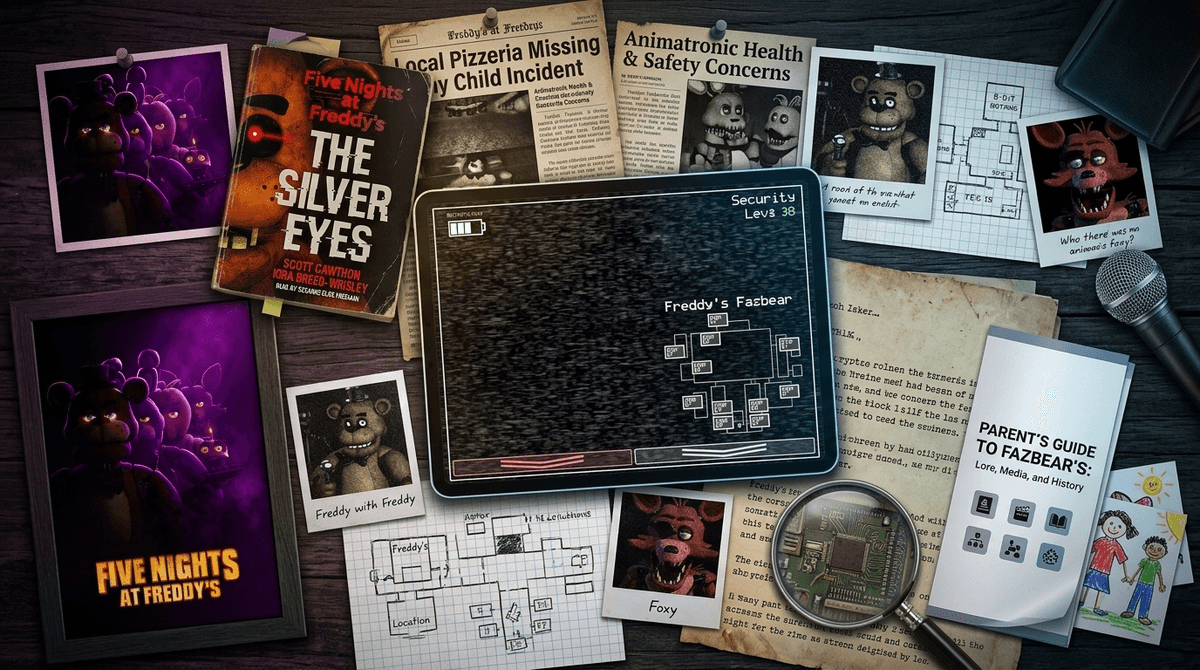
Let's be real: this is the game that made a generation of kids terrified of Chuck E. Cheese. FNAF is legitimately clever—the resource management and strategic elements are solid, and the indie success story is impressive. The lack of predatory monetization is refreshing.
But it's horror. Like, actual horror designed to make you jump and feel unsafe. If your kid can handle that and won't have nightmares, the game itself is relatively tame (no gore, no graphic violence). The bigger concern is the sprawling YouTube ecosystem of FNAF content, which ranges from harmless theory videos to genuinely disturbing fan animations.
The game is now over a decade old and shows its age—the graphics are basic, the gameplay is repetitive, and kids today are more likely to know FNAF from memes and YouTube than from actually playing it. If your tween is begging for it, they've probably already consumed hours of content about it online. The game itself might actually be less scary than what they've imagined.
Age Fit
Best for ages 12-16 who actively enjoy horror and can handle jump-scares without sleep disruption. Younger kids will find it through YouTube anyway, but actually playing requires a certain stress tolerance. Older teens may find it dated or too simplistic.
WISE Breakdown
Wholesome
25
The entire premise revolves around jump-scares, tension, and animatronic characters actively trying to kill the player. The atmosphere is deliberately unsettling and anxiety-inducing, with no positive emotional modeling, cooperation, or kindness. The pacing is intentionally stressful rather than balanced.
Imaginative
72
Highly original concept that launched an entire franchise—the idea of creepy animatronics in a kids' pizza place was genuinely novel in 2014. The lore and mystery elements invite players to piece together backstory. The resource-management gameplay (limited electricity) requires strategic thinking and problem-solving. However, it's more reactive than creative—you're not building or expressing yourself.
Safe
35
No online chat, no in-game purchases, and no loot boxes are strong positives. However, the core gameplay is built entirely around jump-scares and horror imagery designed to startle and frighten. The animatronics are disturbing, and the implied violence (being stuffed into a suit) is dark. For a horror game it's relatively tame (no gore or graphic violence), but it's absolutely not safe for younger or sensitive children. The lack of official content rating is concerning.
Enriching
48
Develops pattern recognition, resource management, attention to detail, and strategic planning under pressure. The mystery elements encourage analytical thinking. However, the primary 'skill' being developed is tolerating anxiety and jump-scares. Limited meaningful takeaways beyond gaming reflexes and stress management. Entertainment value is high for horror fans but narrow in appeal.
Parent Info
✓
Why It Might Be Great
Genuinely innovative concept that created an entire genre of indie horror games
Teaches resource management and strategic thinking under pressure
No predatory monetization—it's a one-time purchase with no IAPs or loot boxes
The lore and mystery elements reward careful observation and analytical thinking
Clean from a technical safety perspective (no chat, no online features to worry about)
⚠
What to Watch For
This is a horror game, full stop—jump-scares are the entire point and can be genuinely frightening
The backstory involves dark themes (child murders, possessed animatronics) that kids will discover through gameplay or YouTube
Can create genuine anxiety and sleep disruption for sensitive kids or those under 10-11
The YouTube rabbit hole is deep—FNAF lore videos and fan content vary wildly in appropriateness
Some kids become obsessed to an unhealthy degree, consuming hours of theory content daily
Conversation Starters
"What's your strategy for conserving power? How do you decide when to check cameras vs. close doors?"
"Why do you think this game got so popular? What makes it scarier than just showing monsters?"
"The animatronics are meant to entertain kids during the day—does that make them creepier at night?"
"If you were designing the security system, what would you do differently?"
"How do you feel after playing? Does it stick with you or can you shake it off easily?"