

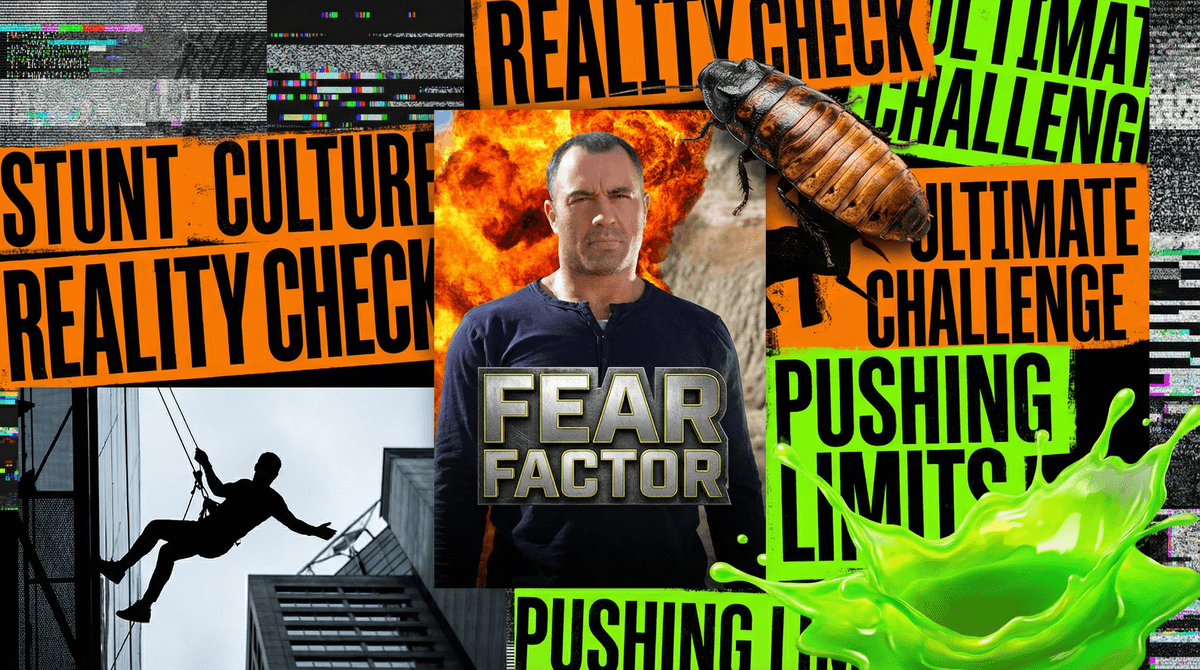
TL;DR
The 2026 reboot of Fear Factor is coming, and with Johnny Knoxville at the helm, it’s leaning hard into the "gross-out" and "stunt-fail" culture. It’s high-energy, high-disgust, and high-risk for kids who love to mimic what they see. If your kid is already obsessed with MrBeast or TikTok challenges, this show will be their new North Star.
Quick Recommendations:
- Ages 5-9: Skip it. Stick to the controlled chaos of Floor is Lava.
- Ages 10-13: Watch with them (if you can stomach it) and talk about the "professional" side of stunts.
- Ages 14+: They’ve likely seen worse on the internet, but use it as a bridge to talk about risk assessment.
- Better Alternatives: The Amazing Race or American Ninja Warrior.
If you grew up in the early 2000s, you remember the original Fear Factor. It was the show that made Joe Rogan a household name and made us all collectively gag at the sight of someone eating a blended bull testicle smoothie.
Fast forward to 2026, and the reboot is leaning into a very specific vibe: The Johnny Knoxville era. By bringing in the mastermind behind Jackass Forever, the producers aren't just looking for "scary" anymore—they’re looking for "absurd."
The format remains largely the same: contestants compete in three rounds of increasingly terrifying or disgusting stunts for a cash prize. However, the Knoxville influence means more slapstick, more "cringe" physical comedy, and a much higher level of "don't try this at home" energy. It’s basically YouTube "fail" videos but with a massive budget and a legal team.
Kids today are already primed for this. We live in a world of "challenge" culture. Whether it’s a viral dance or a "One Chip Challenge," the idea of doing something difficult or gross for clout is the current social currency.
To a middle schooler, Fear Factor isn't just a show; it's a blueprint for what’s "Ohio" (weird/cringe) and what’s "Sigma" (cool/brave). Johnny Knoxville is a legend to them—not because they saw the original movies, but because his brand of chaos is the DNA of everything they watch on TikTok.
The "ew" factor is also a major draw. There is a developmental stage where being grossed out is actually a bonding experience. Watching someone eat a Madagascar hissing cockroach is the 2026 version of telling ghost stories around a campfire.
Learn more about why kids are drawn to "cringe" and "gross-out" content
If you’re not ready to let your 11-year-old watch people get covered in spiders, but they’re begging for "intense" reality TV, here are some better ways to scratch that itch without the brain rot.
This is the gold standard. It has the "stress" and the "challenges," but it’s actually educational. Kids learn about geography, different cultures, and how to read a map (a lost art). It’s high stakes without being low-brow.
- Best for: Ages 8+
- Why parents love it: It encourages teamwork and problem-solving rather than just "who can hold their breath the longest in a tank of eels."
If your kid is into the physical stunts of Fear Factor, steer them here. It celebrates athleticism, discipline, and "failing forward."
- Best for: All ages
- Why parents love it: It might actually inspire them to go outside and climb something instead of just sitting on the couch.
If the "gross-out" food challenges are what they’re after, try the "weird food" angle from a different perspective. It’s mind-bending, funny, and completely harmless.
- Best for: Ages 6+
- Why parents love it: Zero nightmares.
The "OG" of reality competition. While there are some gross food moments, the core of the show is social strategy and physical endurance.
- Best for: Ages 11+
- Why parents love it: It’s a great way to talk about social dynamics, alliances, and how people act under pressure.
Ages 5-9: Hard No
At this age, the line between "TV magic" and "reality" is still pretty thin. They see Johnny Knoxville get launched out of a cannon on Fear Factor, and they think their backyard trampoline can do the same thing. The "gross" stuff can also lead to genuine phobias or night terrors. Stick to Nailed It! for your reality fix.
Ages 10-13: The "Grey Zone"
This is where the pressure starts. Their friends are talking about it. This is the age of the "dare." If you let them watch, do it with them. Use the commercial breaks to point out the safety harnesses, the paramedics on standby, and the fact that these people are being paid to take these risks.
Ages 14+: The Reality Check
They’ve seen worse on YouTube. At this point, the concern isn't "will they be scared," but "will they be desensitized?" Talk about the ethics of the show. Is it okay to watch people suffer for money? It sounds deep, but teenagers actually love debating this stuff.
Check out our guide on talking to kids about dangerous stunts
The biggest risk with the 2026 Fear Factor isn't what’s on the screen—it’s what happens after the TV is turned off.
Johnny Knoxville’s entire career is built on the "don't try this at home" disclaimer, which, as we know, acts like a magnet for a certain type of kid. We are seeing a massive uptick in "stunt" injuries related to social media.
Here’s how to handle the inevitable "dare" culture:
- Expose the "Magic": Explain that reality TV is highly edited. A stunt that looks like it took 30 seconds actually had 4 hours of safety briefings and three doctors on set.
- Define "Professional": Use the term "Professional Stunt Performer." Explain that Johnny Knoxville is a pro who knows how to fall. Your kid in the backyard is an amateur who doesn't know how to land.
- The "Gross" Boundary: If they start trying to replicate the "eating gross stuff" challenges, remind them about food safety. Blending random items from the pantry isn't a "challenge"; it's a trip to the ER for food poisoning.
Johnny Knoxville brings a specific brand of "masochistic humor." Unlike previous hosts who were somewhat detached, Knoxville is a participant in the chaos. This makes the show feel more like a "hangout" and less like a "competition."
This "hangout" vibe is what makes it more influential. When a host is "one of the guys," kids are more likely to internalize the behavior. It’s not just a show they watch; it’s a personality they adopt. If you notice your kid starting to act more reckless or "prank-heavy," it might be time to dial back the Fear Factor marathons.
Ask our chatbot about age-appropriate alternatives to stunt shows
The 2026 Fear Factor is essentially "Jackass-lite." It’s designed to be viral, gross, and loud.
Is it "brain rot"? Mostly. But in the grand scheme of digital media, it’s a known quantity. You know exactly what you’re getting: bugs, heights, and Johnny Knoxville laughing at someone’s misfortune.
If your family has a high tolerance for gross-out humor and you’ve had the "stunts are for professionals" talk, it can be a mindless way to bond over a shared "EWWWW!" Just keep a close eye on the backyard activities the next day. If you see a shopping cart and a ramp, it’s time to change the channel to Bluey and call a family meeting.
- Check the Rating: Look for the specific TV rating on the 2026 premiere; it’s likely to be TV-14.
- Set Boundaries: Decide now if "gross-out" is okay but "physical pain" is a no-go.
- Watch the First Episode Solo: See if Knoxville’s 2026 vibe fits your family’s values before the kids see the thumbnail.