Why it still works after two decades
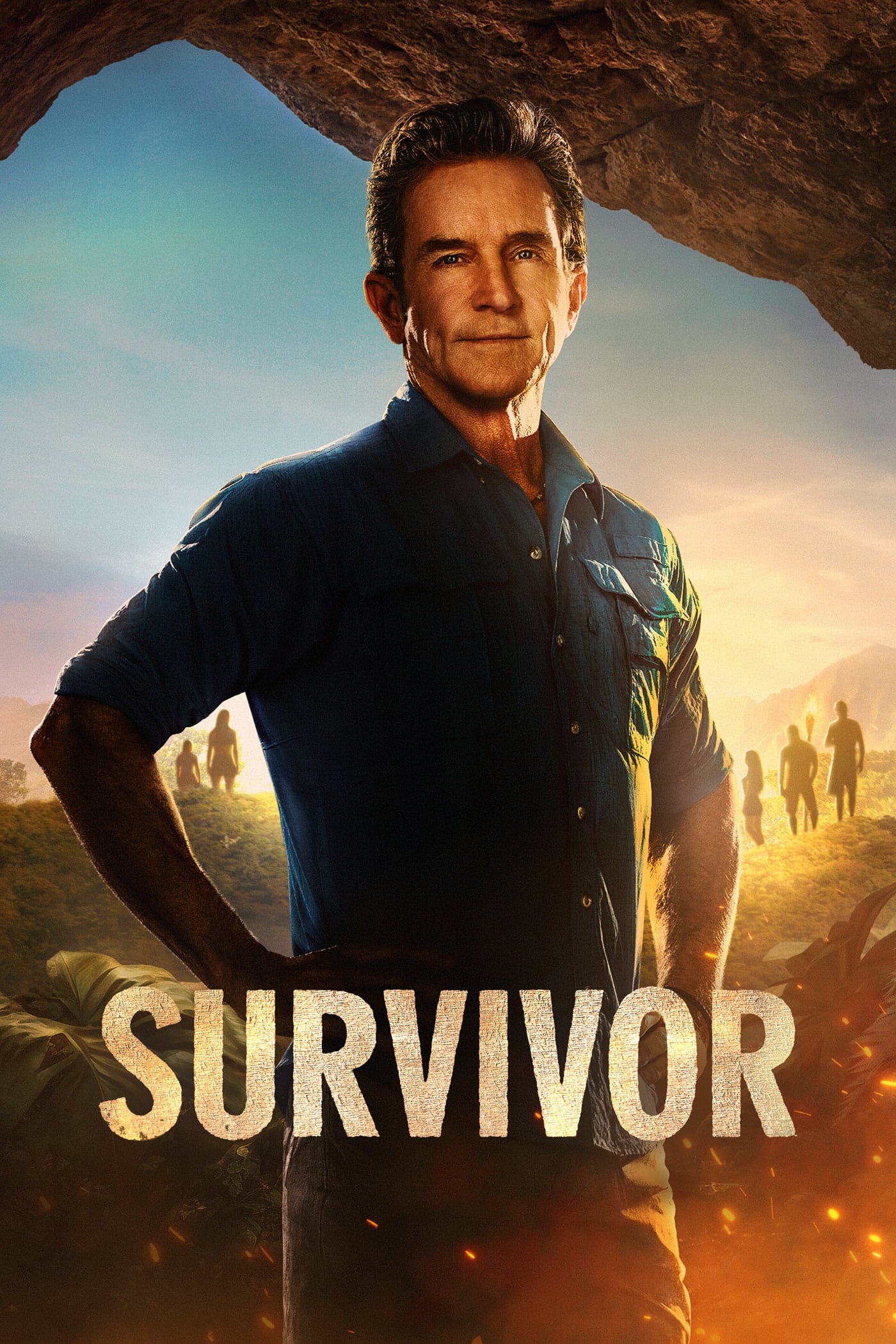
Most reality TV degrades into manufactured screaming matches. Survivor survived because it built a self-contained board game with humans as the pieces. Sixteen or eighteen strangers arrive on a beach, strip away comforts, build a fire, and vote each other off until a jury of the people they voted out awards one of them a million dollars.
That final jury mechanic is why the show works developmentally for tweens. You cannot simply bully or lie your way to the end. If you treat people like trash on their way out the door, they will refuse to vote for you on day 39. The game demands empathy alongside ruthless tactical calculation.
Where to start with a kid
Do not start with Season 1 from 2000. It is a slow, grainy artifact of a different cultural era, complete with uncomfortable tribal dynamics and pacing that will lose modern kids within ten minutes.
Instead, try these entry points:
- Season 37 (David vs. Goliath): Perfect modern storytelling, relatable characters, creative gameplay, and zero toxic ugliness.
- Season 28 (Cagayan): High-octane chaos, distinct personality clashes, and brilliant strategic moves that keep anyone over ten glued to the couch.
- Season 33 (Millennials vs. Gen X): A fun generational rivalry that gives kids and parents an easy hook to argue about who handles adversity better.
The lie-versus-game conversation
Every parent watching Survivor hits the moment where a player swears on their family, breaks a promise ten minutes later, and high-fives their ally in private. That is not a flaw in the show; that is the entire reason to watch it together.
Treat it like poker. Bluffing in poker is not an ethical failing because everyone sat at the table agreed to the rules of poker. Watching players navigate that boundary helps kids separate the artificial rules of a contest from how they treat real friends at school.