

Look, sixth grade is that weird in-between zone where kids are too old for picture books but might not be ready for full YA angst. They're navigating middle school drama, changing bodies, and figuring out who they are—and honestly? The right book can be a lifeline.
A good 6th grade reading list isn't about cramming classics down their throats or forcing "educational" books that feel like homework. It's about finding stories that meet kids where they are: curious, sometimes insecure, dealing with friendship drama, and starting to think more critically about the world.
The sweet spot? Books that respect their growing maturity without throwing them into content they're not ready for. Think: real emotions, complex characters, maybe some romance (but keep it PG), and topics that matter without being preachy.
Sixth graders are all over the map developmentally. Some are still deep in fantasy worlds with dragons and magic. Others are ready for realistic fiction about identity, social justice, and family complexity. Many are somewhere in between, bouncing between Percy Jackson rereads and whatever their friends are passing around.
This is also the age where reading for pleasure can either take off or completely die. If books feel like a chore, or if they can't find stories that speak to them, you might lose them to TikTok and Roblox forever. (Not that those are inherently bad, but you know what I mean.)
The good news? When sixth graders find books they love, they become obsessed. They'll stay up past bedtime with a flashlight, talk about characters like they're real people, and actually ask for the next book in the series. That's the magic we're chasing here.
For Fantasy Lovers
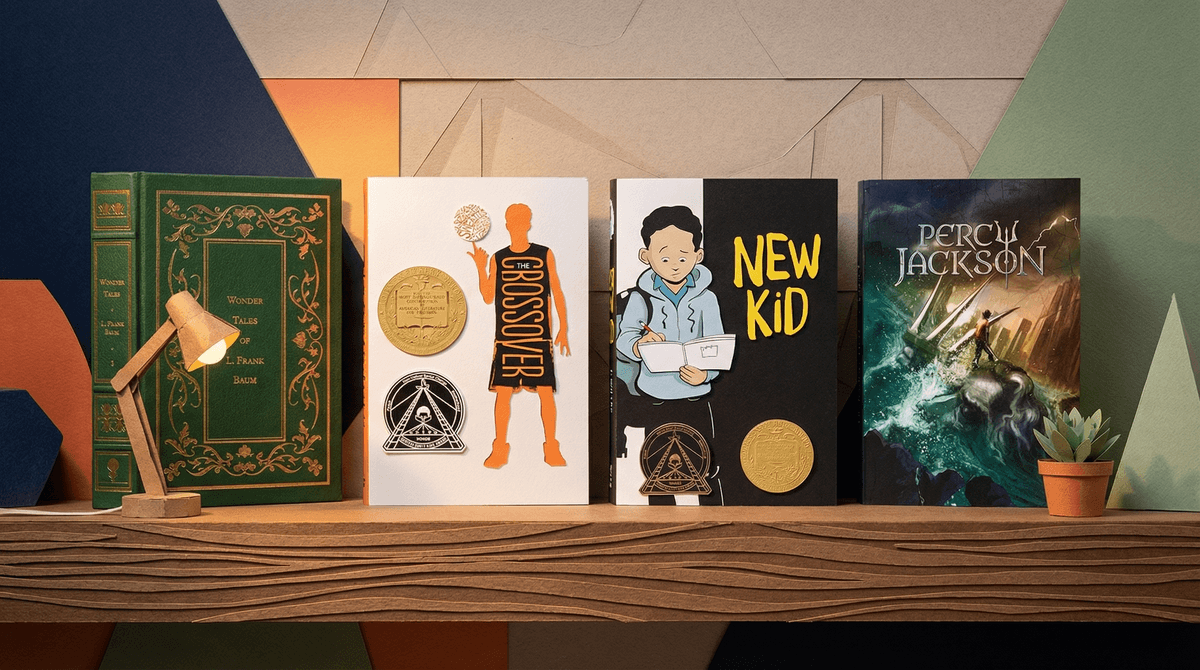
The Lightning Thief by Rick Riordan If they haven't read Percy Jackson yet, start here. Dyslexic kid discovers he's a demigod, fights monsters, saves the world. It's accessible, funny, and makes Greek mythology actually cool. The whole series is solid gold.
The School for Good and Evil by Soman Chainani Two best friends get kidnapped to a magical school where one is dropped in the "good" school and one in "evil"—except it's not that simple. Great for questioning fairy tale tropes and exploring friendship complexity.
Nevermoor: The Trials of Morrigan Crow by Jessica Townsend Whimsical, magical, and genuinely clever. A cursed girl escapes death and enters a competition to join a magical society. Think Harry Potter vibes but more inventive and less... well, you know.
For Real-Life Story Seekers
Wonder by R.J. Palacio The empathy-building powerhouse. Auggie has facial differences and is starting mainstream school for the first time. Multiple perspectives, genuine emotion, and conversations about kindness that don't feel forced. Fair warning: some kids find it sad, but most find it hopeful.
The Crossover by Kwame Alexander A novel in verse about twin brothers, basketball, family, and growing up. Even reluctant readers get pulled in by the rhythm and the realness. It's quick, it's powerful, and it doesn't feel like "school reading."
Ghost by Jason Reynolds A kid with a complicated past joins a track team and finds his place. Reynolds writes about real stuff—poverty, trauma, identity—without being heavy-handed. This whole Track series is excellent.
For Kids Who Like to Think
Hatchet by Gary Paulsen Survival story about a boy stranded in the Canadian wilderness after a plane crash. It's a classic for a reason: gripping, teaches resilience, and appeals to kids who like adventure without magic.
The Giver by Lois Lowry Dystopian before dystopian was everywhere. A "perfect" society where emotions and memories are controlled. Great for sparking conversations about conformity, freedom, and what makes life meaningful. Some schools assign this, so check first.
A Long Walk to Water by Linda Sue Park Based on a true story, alternating between a girl in 2008 South Sudan and a boy in 1985 fleeing civil war. Short, powerful, and opens eyes to global issues without feeling like a lecture.
For Graphic Novel Fans
Smile by Raina Telgemeier Memoir about dental drama, middle school friendship chaos, and finding yourself. Telgemeier's whole catalog (Sisters, Drama, Guts) is perfect for this age.
New Kid by Jerry Craft A Black kid navigates being one of the few students of color at a prestigious private school. Funny, honest, and tackles race and class without being preachy. Won a Newbery for good reason.
For Kids Ready for More
Holes by Louis Sachar A boy is sent to a desert detention camp where the kids dig holes all day. Multiple storylines weave together brilliantly. It's clever, it's funny, and it respects young readers' intelligence.
The Hunger Games by Suzanne Collins Some sixth graders are ready for this, some aren't. It's violent (kids killing kids in a televised competition), but it's also a powerful commentary on media, war, and survival. Know your kid. If they're mature and you've talked about the themes, it can be incredible. If they're sensitive or you're not sure, wait a year.
Reading levels are all over the place. Some sixth graders are reading at a high school level, others are still building confidence with chapter books. Neither is wrong. Meet them where they are, not where you think they "should" be.
Graphic novels are real reading. If your kid devours graphic novels but resists traditional books, that's still reading. Visual literacy matters, storytelling matters, and engagement matters more than format.
Diverse books matter. Kids need mirrors (books reflecting their own experiences) and windows (books showing different perspectives). A good reading list includes different races, cultures, family structures, and abilities—not as tokens, but as authentic stories.
Series are your friend. If they love one book, hand them the sequel immediately. Momentum is everything at this age.
Audiobooks count. If your kid listens to books while drawing, gaming, or falling asleep, they're still experiencing stories. Don't be a snob about it.
Let them choose. Forcing books rarely works. Give options, take them to the library or bookstore, ask what their friends are reading.
Read together. Not out loud necessarily (though some kids still love that), but read the same book and talk about it. Book clubs of two are underrated.
Respect DNF (Did Not Finish). If a book isn't clicking after a few chapters, move on. Life's too short for books you hate, even "important" ones.
Make it easy. Books in their room, books in the car, library app on their device. Remove friction.
Model it. If they never see you reading for pleasure, the message is clear.
The best 6th grade reading list is the one that gets your kid actually reading. Whether that's fantasy, realistic fiction, graphic novels, or a mix—if they're engaged, you're winning.
These books are a starting point, not a prescription. Pay attention to what hooks them, then find more like it. Ask librarians (they're wizards at this), check Goodreads for read-alikes, and trust your kid's interests.
And if they're resistant? Don't force it. Sometimes kids need a break, or they need to find their entry point on their own terms. Keep books available, keep the pressure off, and keep the door open.
Reading in 6th grade should feel like discovery, not homework. When they find the right book at the right time, it can change everything.