

Look, I'm going to be honest: when I first heard about "apps that build social skills," my BS detector went off. It sounded like edtech marketing speak for "park your kid in front of a screen and feel good about it."
But here's the thing—some apps actually do help kids practice real social skills. Not in a "replace human interaction" way, but more like... training wheels. They create low-stakes environments where kids can practice reading emotions, taking turns, understanding perspectives, and navigating social situations without the real-world anxiety that can make learning these skills so hard.
The key word here is practice. These aren't replacements for actual friendships, playground negotiations, or family dinners. They're tools that can supplement real-world social learning, especially for kids who struggle with anxiety, autism spectrum differences, or just need extra support understanding social cues.
Social skills aren't just "nice to have"—they're foundational. Kids who can read emotions, take another person's perspective, and navigate conflict are more likely to have healthy friendships, do better academically, and honestly just feel less anxious about being human.
And for some kids, the traditional ways of learning these skills (through trial and error in social situations) can be overwhelming or even traumatic. A kid with social anxiety might benefit from practicing conversation starters in a safe app environment before trying them at lunch. A kid on the spectrum might use an emotion-recognition app to build skills that don't come as naturally to them.
The research is actually pretty encouraging here. Studies show that well-designed social skills apps can improve emotion recognition, perspective-taking, and even reduce social anxiety—when used alongside real-world practice and adult guidance.
Conversation Skills & Turn-Taking
Avokiddo Emotions (Ages 2-5)
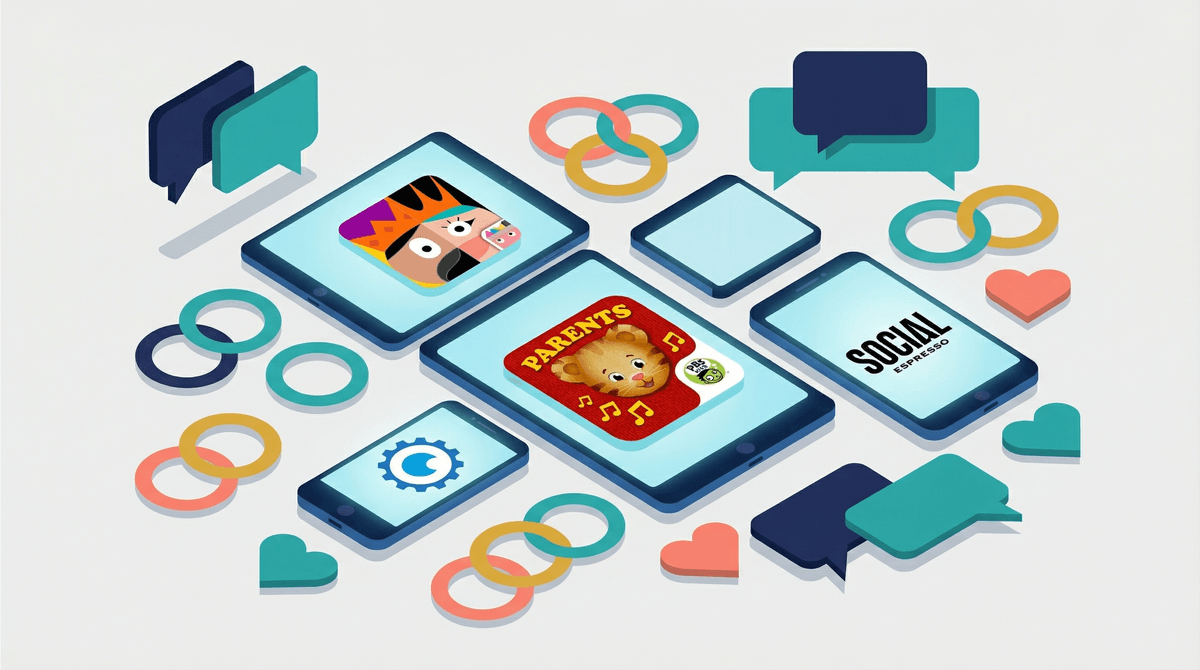
This one's genuinely delightful. Kids interact with animal characters and help them express different emotions through play. It's not preachy—it's just fun exploration that naturally teaches emotional vocabulary and recognition. No ads, no in-app purchases, just solid design.
Social Express (Ages 6-12)
Okay, this one looks a bit dated, but it's actually evidence-based and used by therapists. Kids watch animated scenarios and make choices about how characters should respond. It covers everything from joining a conversation to handling teasing. Best used with a parent or therapist who can talk through the scenarios.
Emotion Recognition & Empathy
Daniel Tiger's Grr-ific Feelings (Ages 2-5)
If your kid already loves Daniel Tiger's Neighborhood, this is a no-brainer. It teaches kids to identify and manage emotions through songs and interactive activities. The strategies are actually based on solid child development research, just wrapped in a cute tiger package.
Zones of Regulation (Ages 5-12)
This app teaches kids to identify their emotional state (the "zone" they're in) and choose appropriate strategies to regulate. It's widely used in schools and by occupational therapists. Not the most engaging design, but the content is gold.
Perspective-Taking & Theory of Mind
Social Adventures (Ages 7-14)
Created by speech-language pathologists, this app uses video modeling and interactive scenarios to teach social thinking. Kids watch real kids in social situations and predict what will happen or what someone is thinking. It's particularly helpful for kids who struggle with reading between the lines.
Conversation Builder (Ages 6-12)
This one's specifically designed for kids with autism but honestly helpful for any kid who finds conversation confusing. It breaks down the components of conversation (starting, maintaining, ending) into clear, visual steps.
Let me save you some money: most apps claiming to build social skills are just... games. Fun games, maybe, but not meaningfully different from Candy Crush.
Red flags to watch for:
- Apps that are just "educational" reskins of addictive game mechanics
- Anything with heavy monetization (if they're trying to extract money from you, they're not focused on your kid's development)
- Apps with no evidence base or professional involvement in their design
- Anything claiming to "cure" or "fix" social difficulties (run away)
Also worth noting: Roblox and Minecraft multiplayer can build some social skills (negotiation, collaboration, conflict resolution), but they can also teach kids to be jerks. The quality of the social learning depends entirely on who your kid is playing with and whether there's adult guidance. Here's more on whether multiplayer gaming actually builds social skills .
.
The apps themselves aren't magic. Here's what makes them work:
Co-use is key. Sit with your kid, especially at first. Talk about what's happening. "Why do you think that character feels sad?" "What would you do in that situation?" The app is the conversation starter, not the teacher.
Connect to real life. After using an app about emotion recognition, point out emotions in real situations. "Remember how we practiced identifying feelings in that app? What do you think your brother is feeling right now?"
Keep it short. 10-15 minutes is plenty. These aren't babysitters—they're tools.
Don't rely on them exclusively. The best social skills learning happens in real relationships with real people. Apps are supplements, not substitutes.
Ages 2-5: Focus on emotion vocabulary and recognition. Apps should be simple, visual, and used together with a parent. This is about building the foundation—naming feelings, recognizing them in others.
Ages 6-9: Kids can handle more complex scenarios about friendship, sharing, and basic conflict resolution. Apps that show cause-and-effect in social situations work well here.
Ages 10+: Older kids can benefit from apps that address more nuanced social situations—reading sarcasm, understanding social hierarchies, managing peer pressure. But honestly, at this age, you might get more mileage from just... talking to them about their actual social situations.
Apps can be genuinely useful tools for practicing social skills, especially for kids who need extra support. But they work best when they're part of a bigger picture that includes real relationships, adult guidance, and opportunities to practice in the actual world.
The goal isn't to make your kid "better at apps." It's to give them a safe space to practice skills they'll use with real humans. Choose apps with evidence behind them, use them together when possible, and always connect what happens on screen to what happens in real life.
And remember: if your kid is really struggling with social skills, an app probably isn't the answer. Talk to your pediatrician or a child psychologist. Sometimes kids need more support than any screen can provide, and that's completely okay.