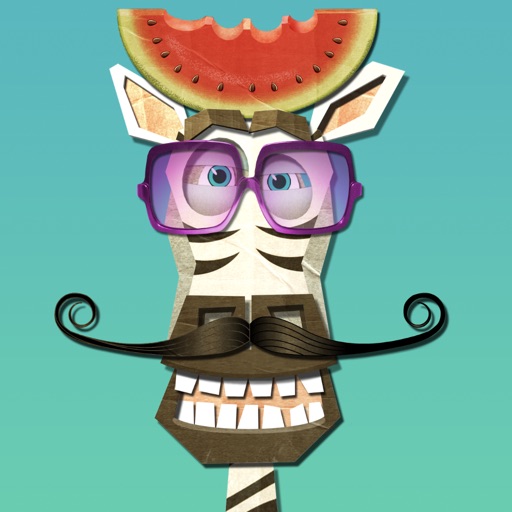
Why an app from 2013 still holds up
Most toddler apps from 2013 are long forgotten, broken by OS updates or bloated into subscription models. Avokiddo Emotions survived because it was built on a clean premise: give kids a physics-light playroom, four reactive animal characters, and zero artificial stress.
There are no levels to complete, no stars to earn, and no timer ticking in the corner. Drag a trumpet to a moose, and the moose blows it, shifting its posture based on the noise. Put oversized glasses on the giraffe, and it breaks into a disco dance. The feedback loop is immediate and visual, matching how two- and three-year-olds naturally explore cause and effect.
The co-play multiplier
Where the app excels is as a bridge for parent-child conversation. Preschoolers easily pick up on basic actions like eating or dressing up, but recognizing quieter physical cues—a widened eye, a turned head, flattened ears—takes practice.
Because the game is language-neutral, there is no voiceover stating "The sheep is sad." That blank space leaves room for you to jump in. Asking a quick question like "Why did his eyes get big when the alarm went off?" turns simple screen time into a genuine lesson in reading non-verbal cues.
Small friction points
The scrolling wheel used to browse through items can occasionally trigger accidental swipes if a child lacks precise fine motor control. Outside of that, the main limitation is depth—once a kid hits kindergarten, the novelty wears off fast. Keep it in reserve for quiet-time co-play with younger kids.