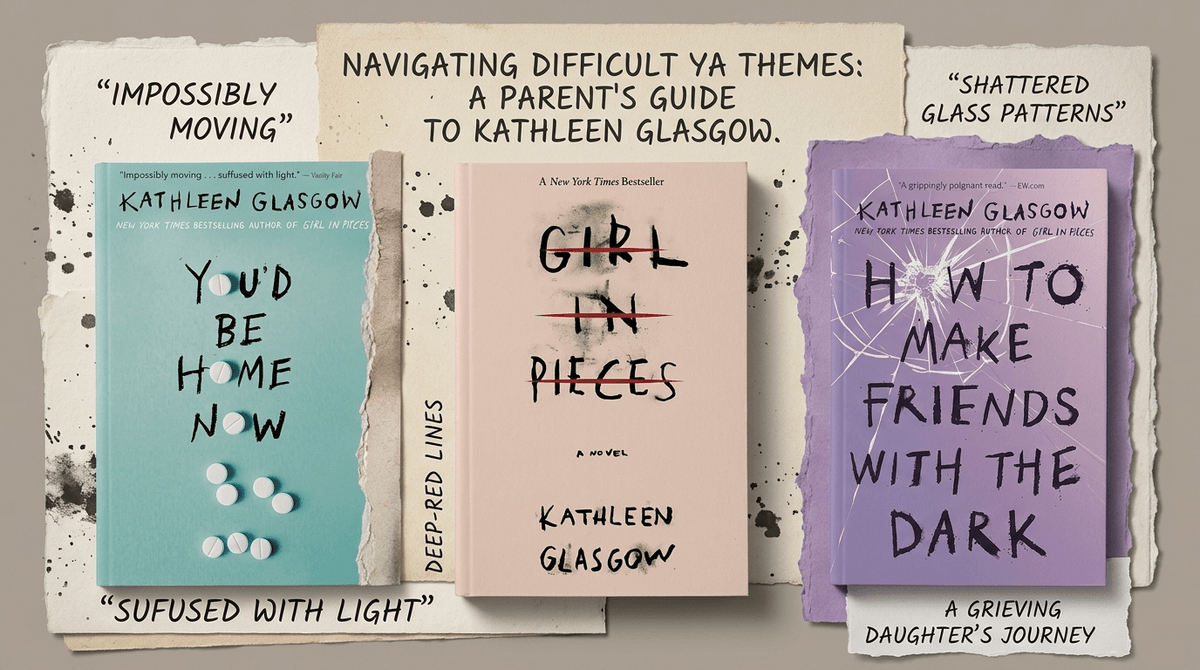
If your teen spends any time on BookTok, they’ve seen Kathleen Glasgow’s covers. She has become the patron saint of the "sad girl" literary aesthetic, but You’d Be Home Now is arguably her most grounded and necessary work. While her other hits focus on internal spiraling, this one is about the collateral damage. It’s for the kid who feels like they have to be perfect because their sibling is a mess.
The "Glass Child" reality
Emory is what psychologists often call a "glass child"—someone who becomes invisible because their parents are looking right through them to focus on a sibling in crisis. Glasgow captures this isolation with painful accuracy. The book isn't just about Joey’s addiction; it’s about the weight of being the "good" one.
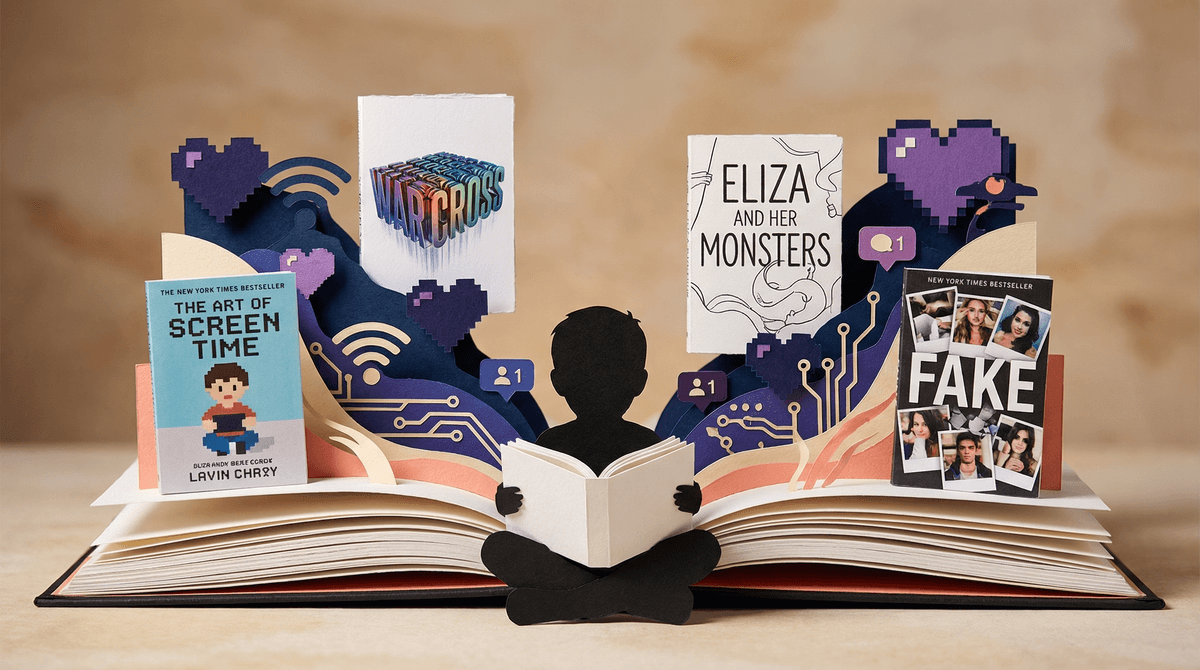
Parents should look for the moments where Emory’s "goodness" starts to crack. She isn't acting out because she’s rebellious. She’s acting out because she’s lonely. When she engages in risky behavior or sends naked photos to the boy next door, it’s a desperate attempt to be seen by anyone when her parents are entirely consumed by Joey’s rehab and the town’s judgment. If you want to understand the headspace behind these choices, check out our guide on Books About Digital Life to see how fiction handles these specific modern pressures.
Why Glasgow is a "Sad Girl" staple
There is a reason Glasgow has such a grip on the 15-to-19-year-old demographic. She doesn't write "issue books" that feel like a lecture from a school counselor. She writes stories that feel like a confession. In the world of Kathleen Glasgow and the ‘Sad Girl’ Phenomenon, the trauma isn't a plot point—it’s the atmosphere.
"Mill Haven wants everyone to live one story, but Emmy's beginning to see that people are more than they appear."
This theme of resisting the "one story" is what makes the book more than a PSA. It challenges the reader to look at the "ghosties" (the local addicts) and see humans instead of statistics. It’s a heavy lift for a YA novel, but with a 4.5-star rating on Amazon and its status as a NYT bestseller, it’s clear that the target audience is buying what she’s selling.
If your teen is a Glasgow fan
If they’ve already powered through Girl in Pieces, they know the drill. This is a bit less visceral than the self-harm themes in that book, but the emotional stakes are just as high. You'd Be Home Now is the bridge between "I’m hurting" and "My family is hurting."
It’s a great pick for a teen who likes Euphoria but wants something with more heart and less neon. It’s also a useful tool for families who have navigated their own version of "the crisis." It gives you a vocabulary to talk about the resentment that builds up when one person’s struggle dictates the entire family’s schedule. Just be ready for the fact that the parents in this book are not the heroes. They are tired, flawed, and often fail Emory. Reading it together (or at the same time) is a low-pressure way to ask your teen, "Do you ever feel like the invisible one?"