The "teen movie" trap
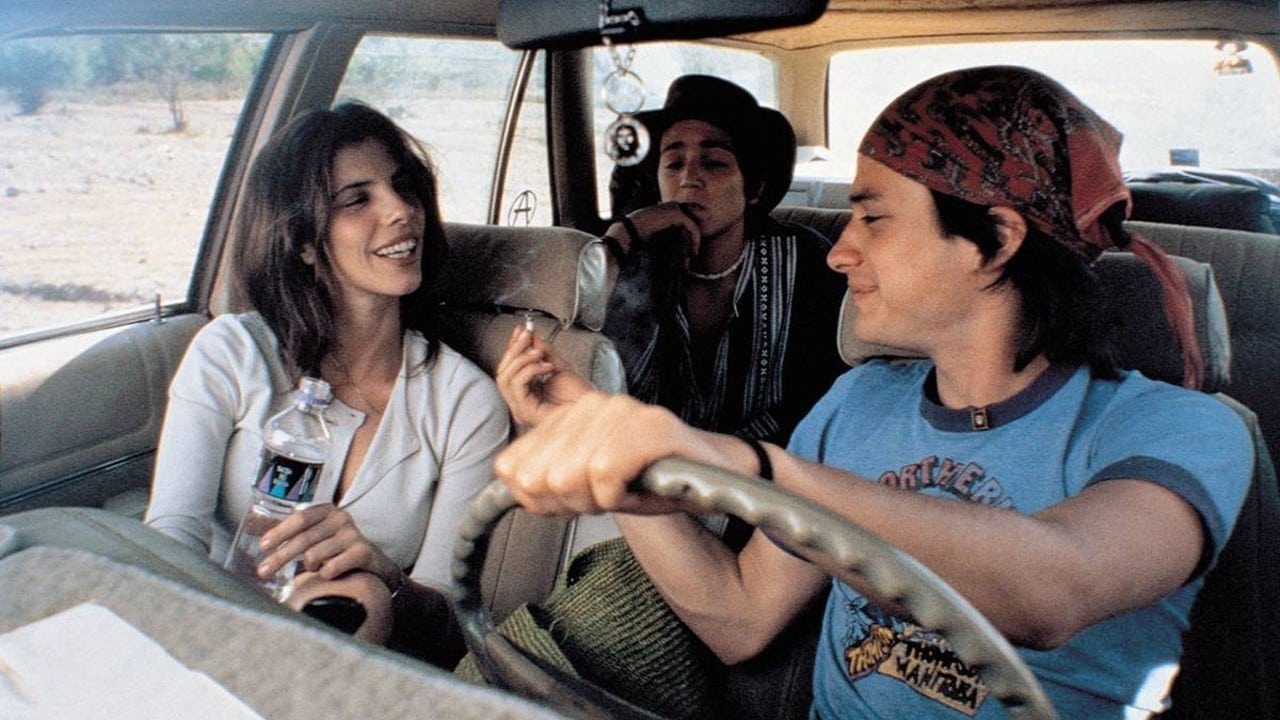
On paper, this looks like a standard-issue horny road trip comedy. You have two best friends, a fast car, and a beautiful older woman heading toward a legendary beach. If you only look at the plot beats, it sounds like a Spanish-language American Pie or Superbad.
That is a trap.
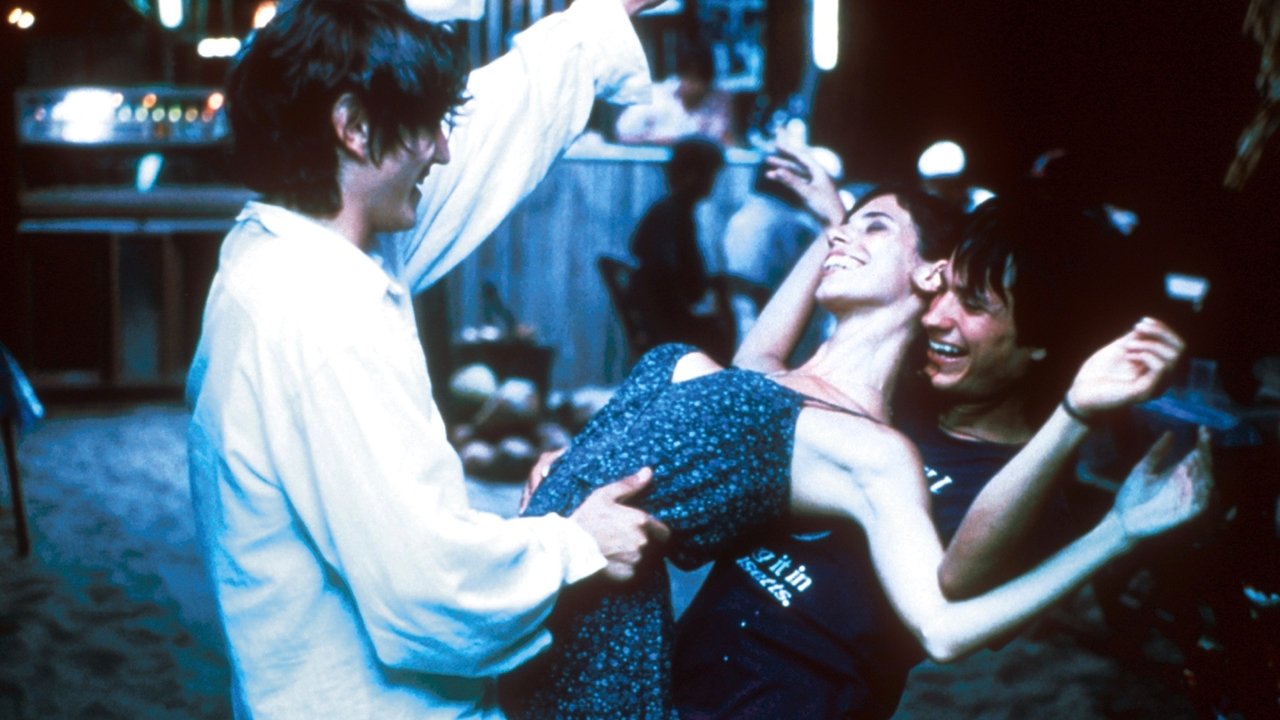
While those movies are about the quest to lose virginity, this film is about the messy, painful reality of what happens after you’ve already lost your innocence. It’s a movie that uses sex as a language to talk about things teenagers usually aren't ready for: class resentment, the looming end of a friendship, and the realization that your parents’ world is crumbling. If you're looking for movies with Mexican characters that feel authentic, this is the gold standard, but it’s the version you watch once the kids have moved out.
The invisible Mexico
What makes this more than just a "sexy drama" is the way the director uses the camera. While the three leads are flirting or fighting in the car, the camera often wanders off. It lingers on military checkpoints, roadside accidents, and poverty-stricken villages.
The narrator—a dispassionate, god-like voice—interrupts the fun to tell us the tragic backstories of people the characters don't even notice. It creates a weird, haunting friction. You’re watching a "fun" road trip, but the movie is constantly reminding you that the characters are traveling through a country in the middle of a massive political shift. It’s brilliant, but it’s also why the movie feels so heavy by the time the credits roll. It’s not just a coming-of-age story for the boys; it’s a coming-of-age story for Mexico itself.
Why the "Adults Only" label sticks
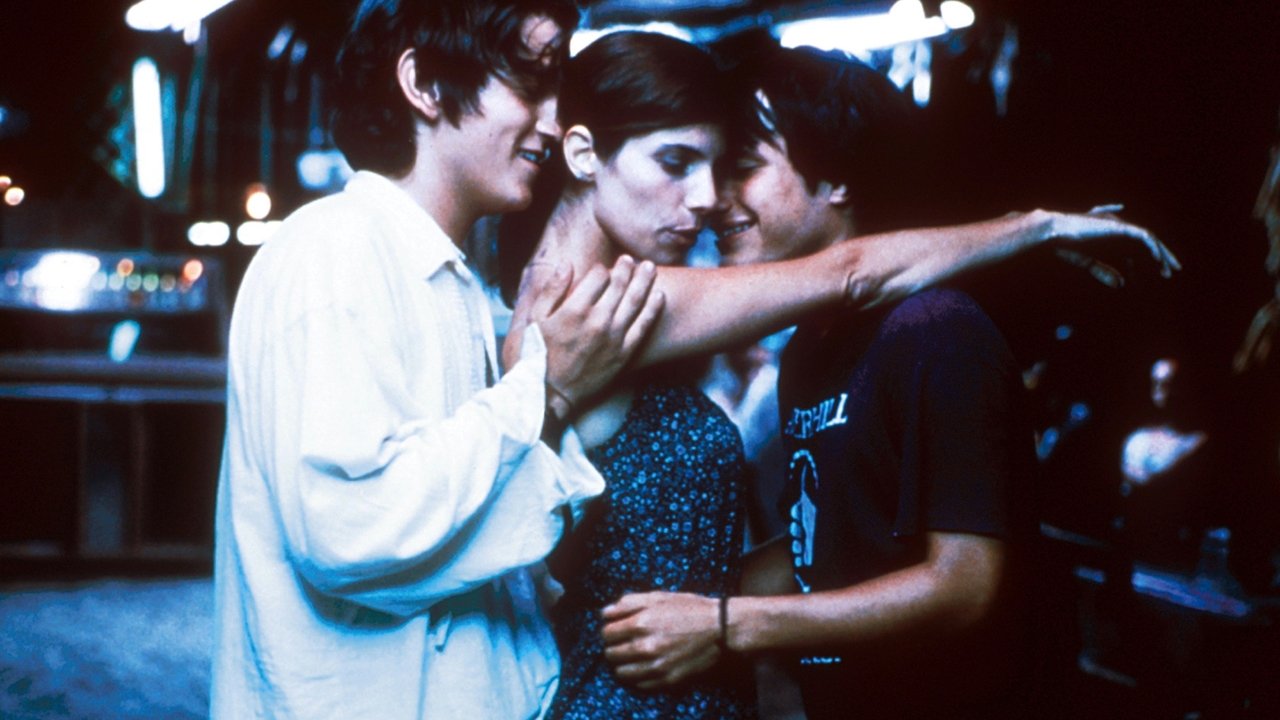
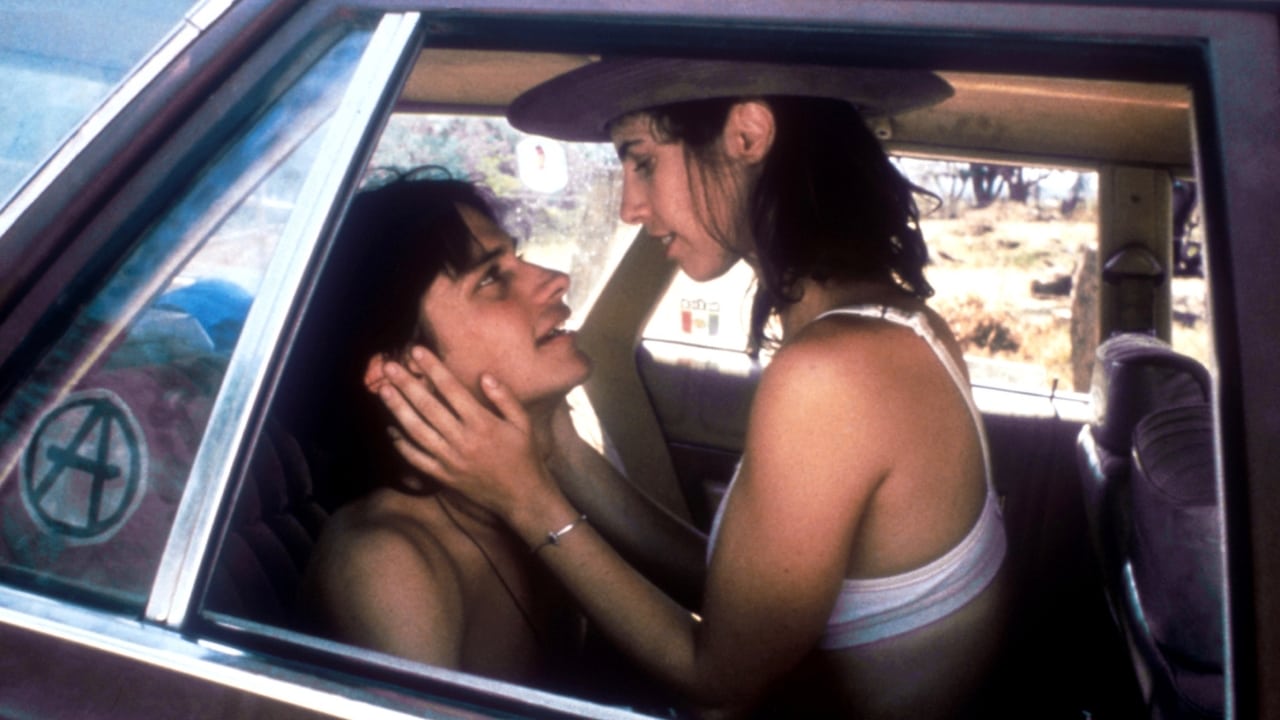
We see a lot of "mature" movies that are really just for older teens. This isn't one of them. The explicit content here isn't there for a cheap thrill; it’s there because the movie is trying to be brutally honest about how people actually behave.
The 90% critic score on Rotten Tomatoes and the 89 on Metacritic reflect how much the industry respects this honesty. It’s a landmark of world cinema. However, the nudity and sexual experimentation are front and center. It’s the kind of film that makes even "liberal" parents want to hide under the sofa if a 16-year-old walks into the room.
If you are building a list of Latin American Oscar Winners to Watch with Your Family, you’ll find plenty of incredible, heart-wrenching stories there—but Y Tu Mamá También is the one you save for your own private film club. It’s a masterpiece, but it’s a solitary one.
The Cuarón evolution
For anyone who knows the director from his later massive hits (like the ones involving space or wizards), this is a fascinating look at his roots. You can see the DNA of his style—the long, unbroken shots and the deep focus on the environment—before he had a hundred-million-dollar budget. It’s raw, it’s sweaty, and it’s deeply uncomfortable in the best way possible.
The ending is famous for a reason. It doesn't give you the "friends forever" high that Hollywood usually sells. Instead, it gives you something much more relatable: the quiet, awkward way people simply drift apart. It’s a 4.2 on Letterboxd because it’s a movie that stays with you for weeks, even if you never want to watch it with your parents—or your kids—ever.