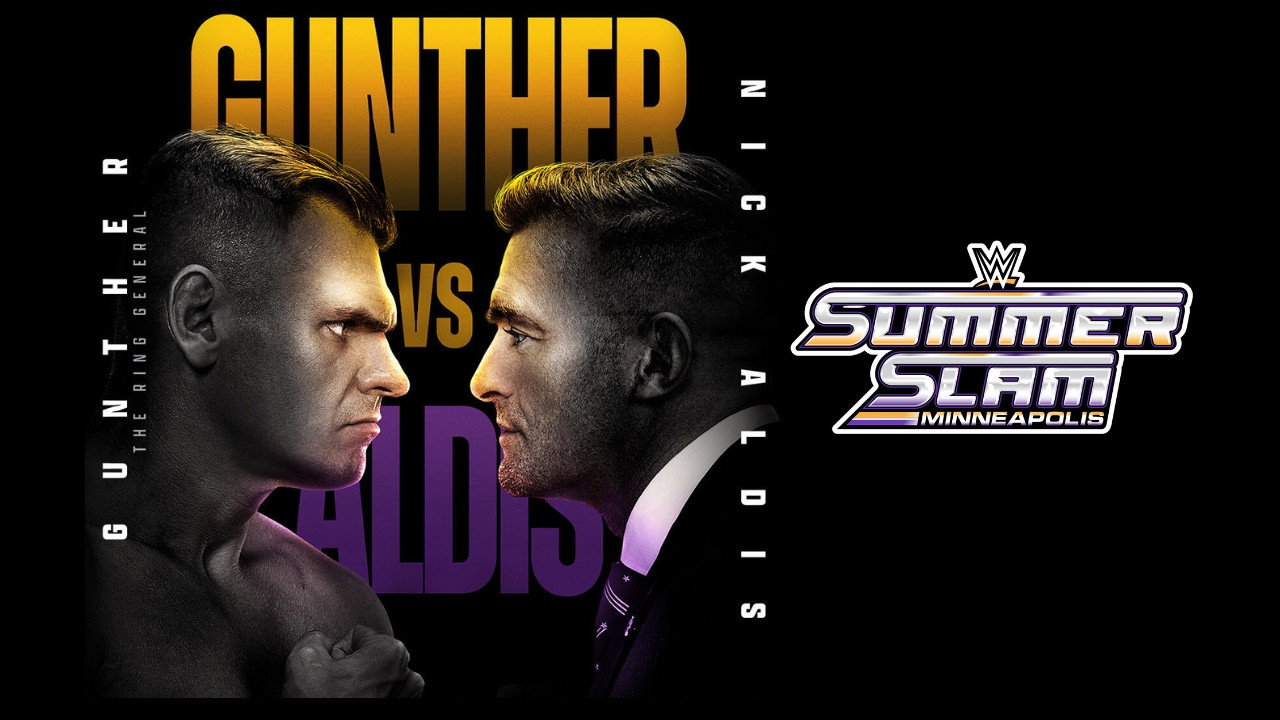
The Two-Night Standard
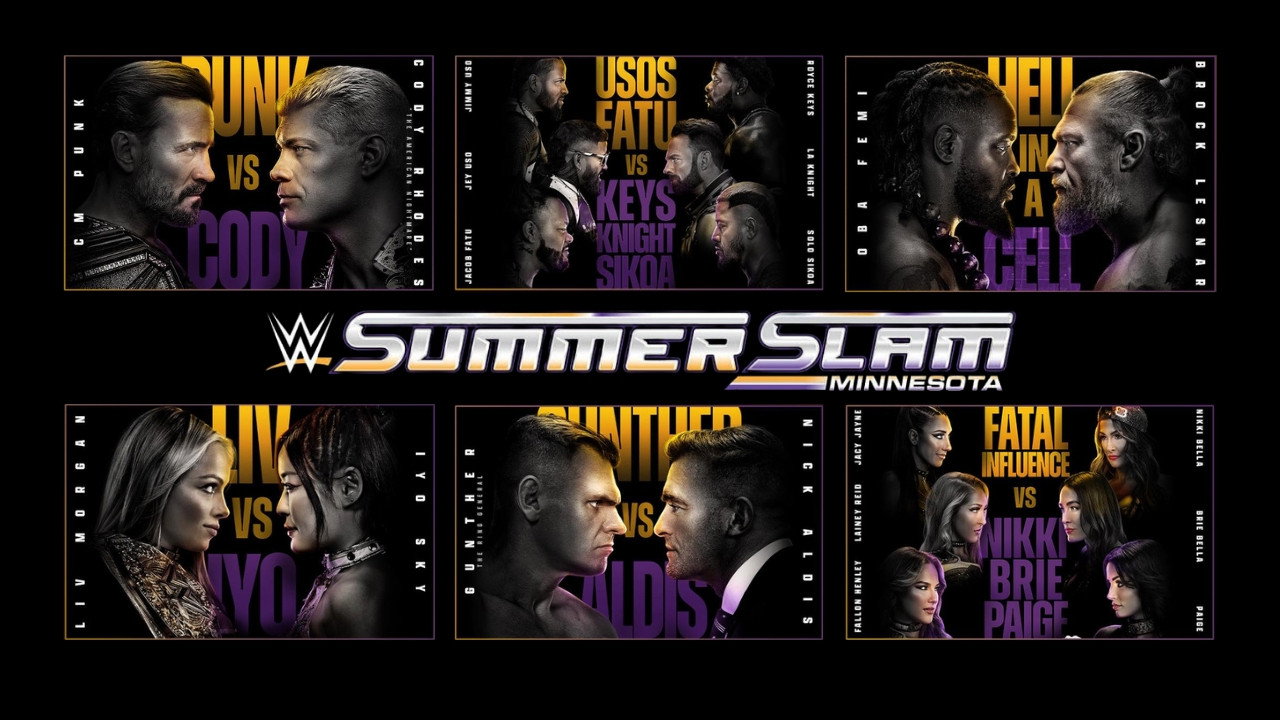
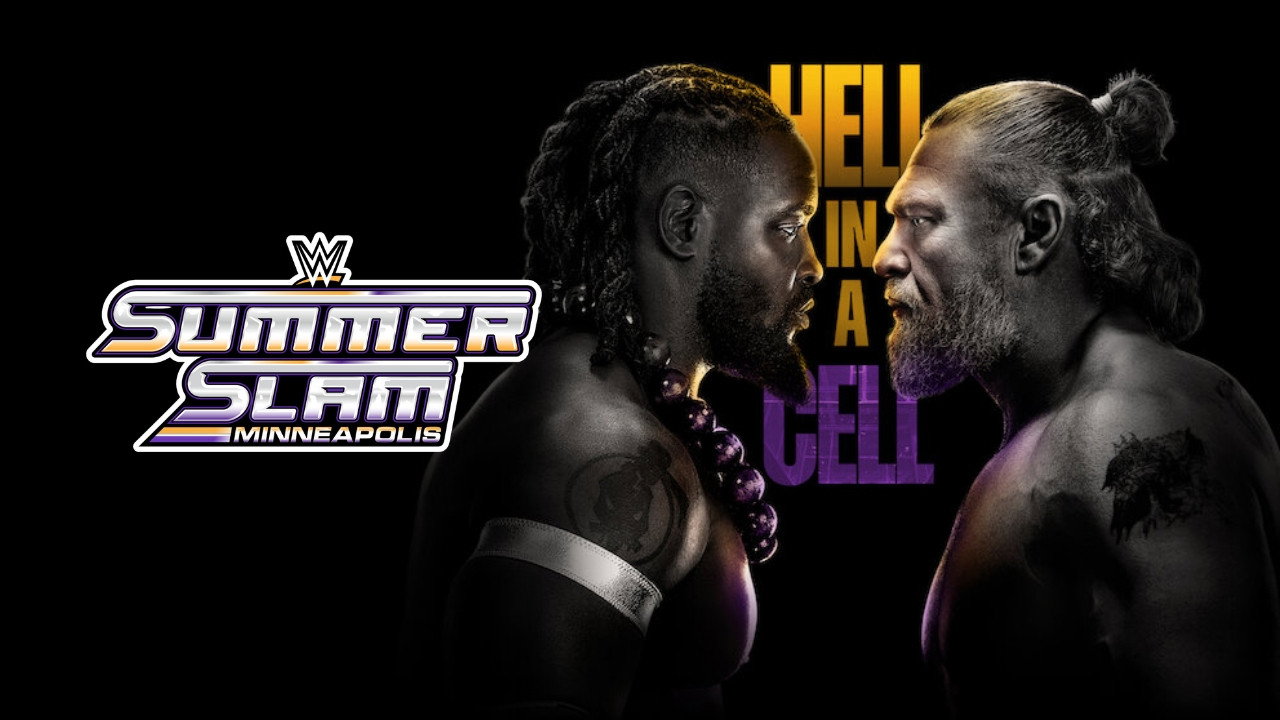
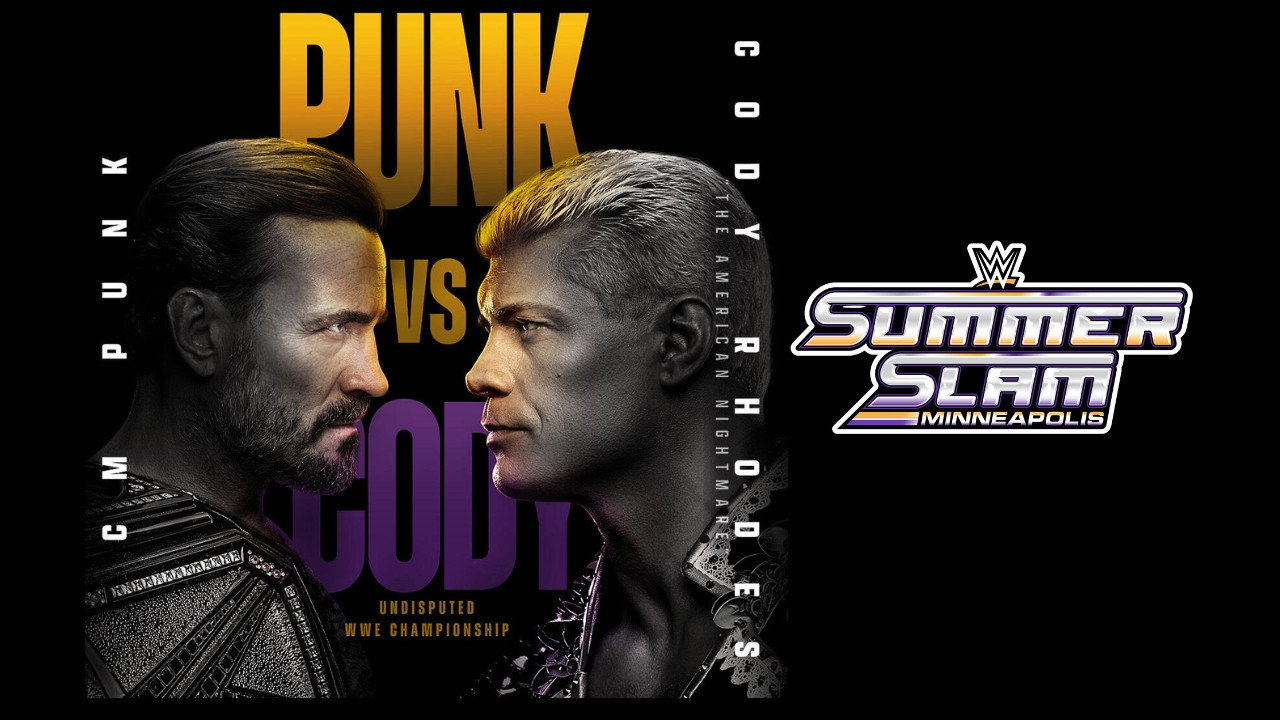
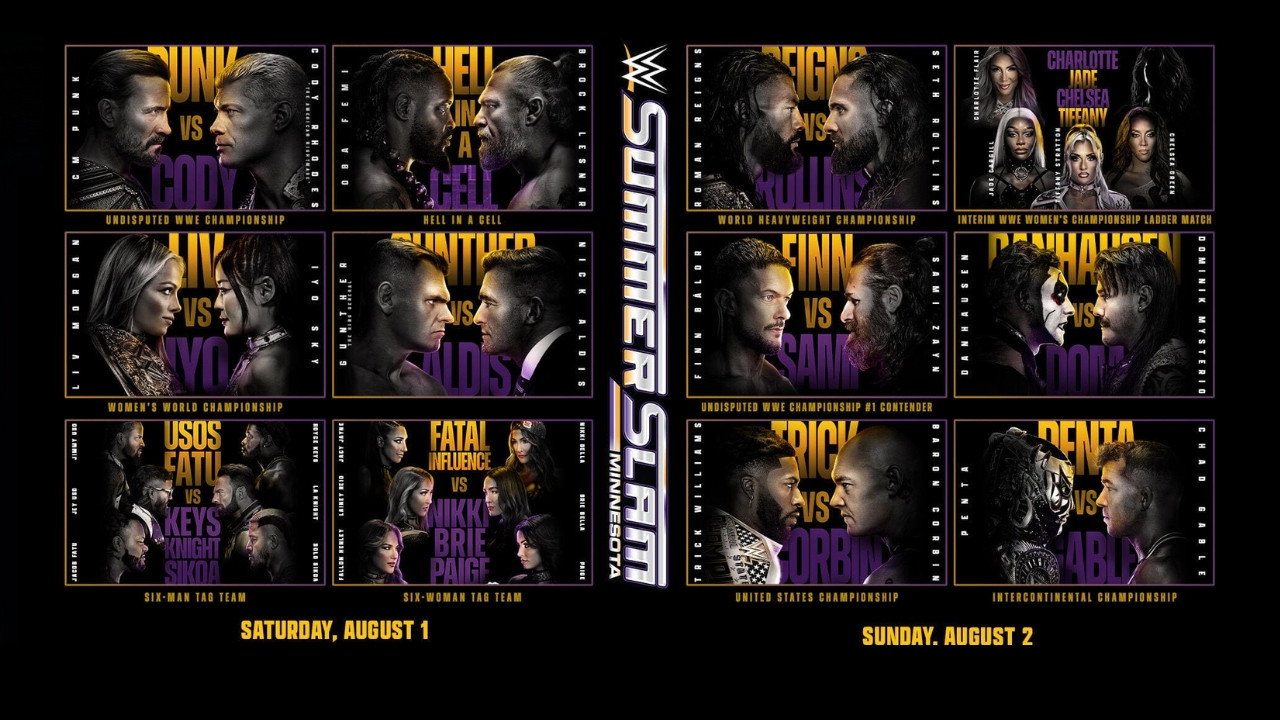
WWE has fully leaned into the two-night format for its biggest events, and the 2026 SummerSlam in Minneapolis proved why. By splitting the card, the Saturday night show (Night 1) felt tighter and more energetic than the marathons of the past. U.S. Bank Stadium provided a massive backdrop that made every entrance feel like a cultural event.
For the uninitiated, wrestling is best understood as a soap opera with suplexes. The 'Action' and 'Drama' genres listed are accurate—this is stunt work used to tell a story. In 2026, the focus has shifted even more toward 'work-rate,' meaning the matches are faster and more acrobatic than the plodding power-moves of the 80s and 90s. This makes it much more engaging for a modern kid’s attention span.
Managing the Hype
The real challenge for parents isn't the content on the screen—it's what happens when the TV turns off. The physicality is contagious. If you have a kid who is prone to 'roughhousing,' SummerSlam acts as a major catalyst. The best move is to watch it with them and point out the 'selling'—how the wrestlers work together to protect one another. It turns the violence into a conversation about trust and choreography rather than just hitting.
Compared to other combat sports like UFC, WWE is significantly safer for kids because the outcome is predetermined and the goal is entertainment, not injury. It’s the difference between a staged sword fight in a play and an actual duel. If you can lean into the campy, theatrical nature of it, it’s a lot of fun.