From Semicolons to Salvation
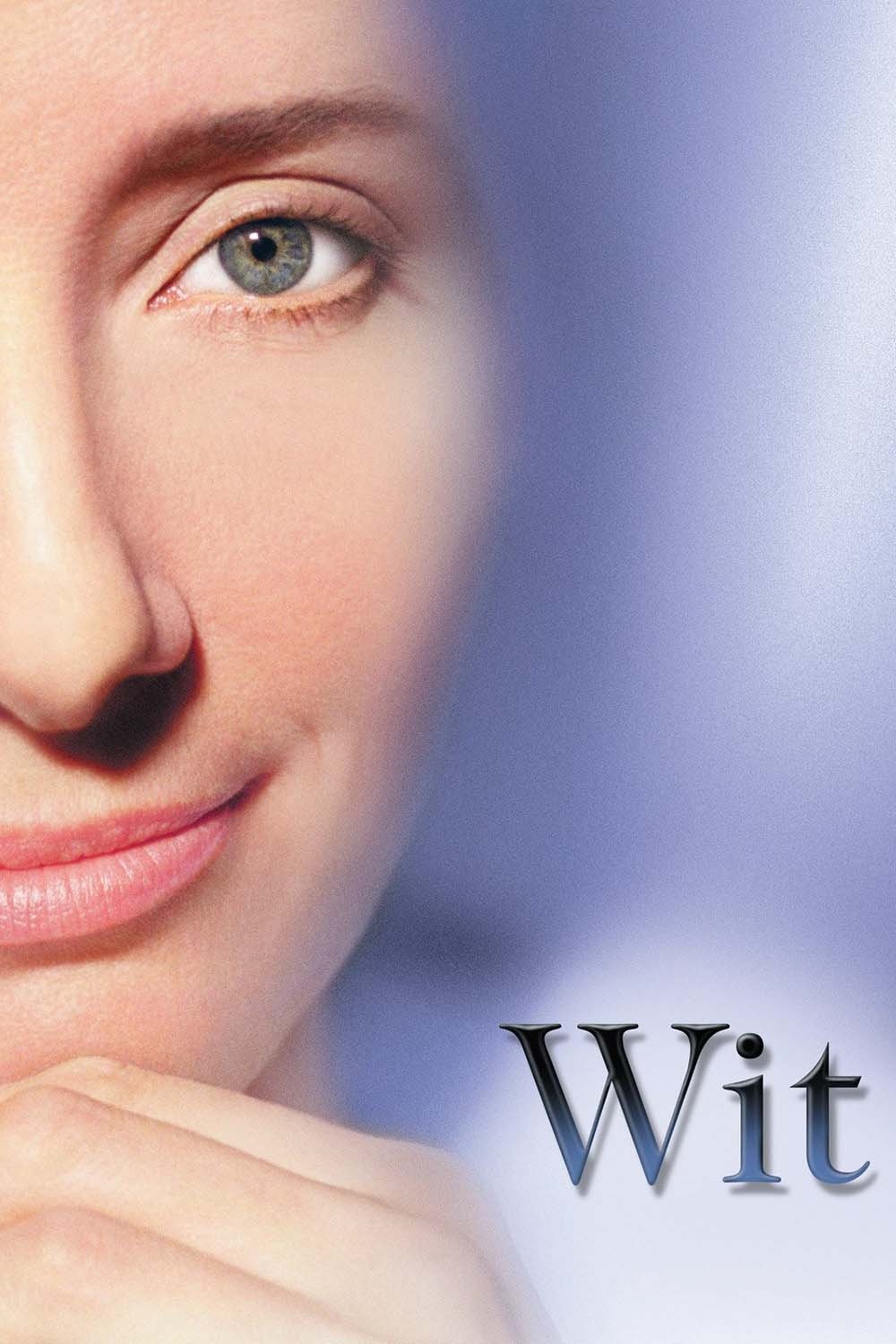
Directed by Mike Nichols, Wit is the kind of movie that shouldn't work on screen. It’s almost entirely monologues about 17th-century punctuation and the technicalities of chemotherapy. Yet, Emma Thompson (who also co-wrote the screenplay) makes it impossible to look away. She plays Vivian Bearing, a professor who has spent her life studying the 'Holy Sonnets' of John Donne, only to find herself living out the very struggle with mortality that Donne wrote about.
Why the 'Stagey' Feel Matters
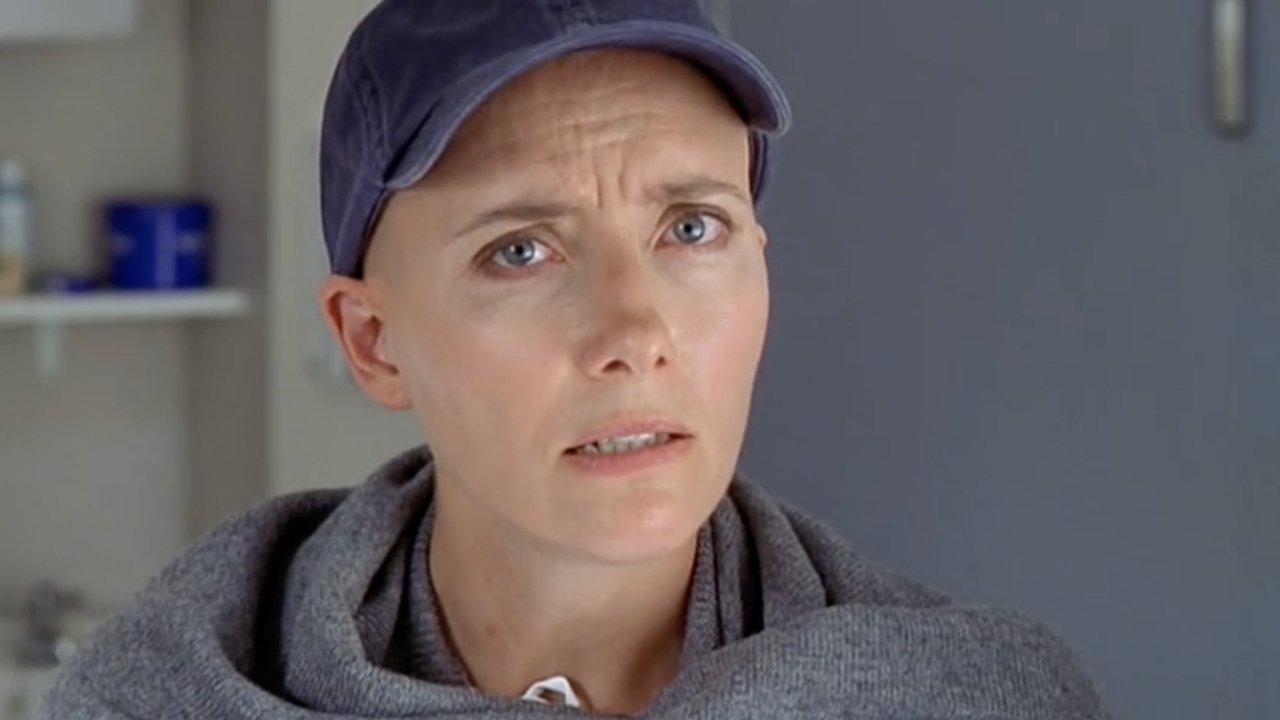
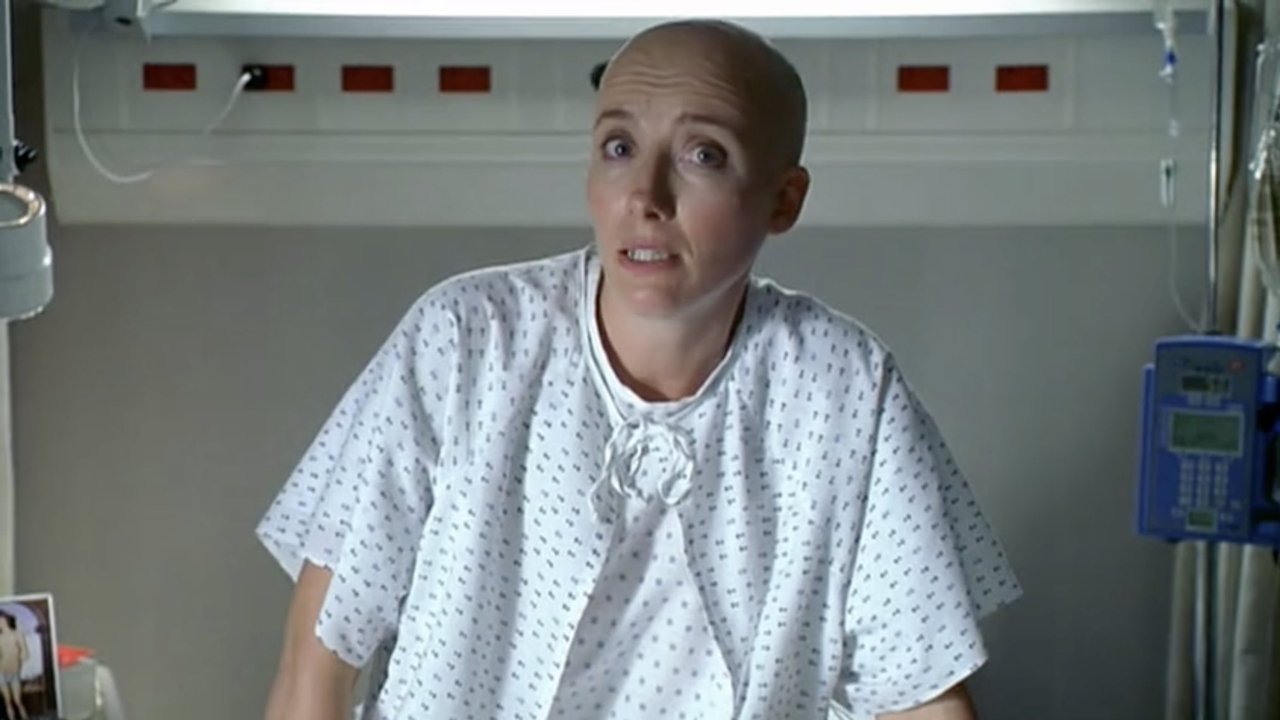
Because it was originally a Pulitzer Prize-winning play, the movie doesn't rely on flashy sets or action. It relies on the face. Thompson’s performance—shaved head and all—is a masterclass in micro-expressions. For a generation of kids used to fast cuts and constant stimulation, Wit is an exercise in deep attention. It asks you to listen to the words, which is exactly what Vivian has spent her life doing.
The Medical Critique
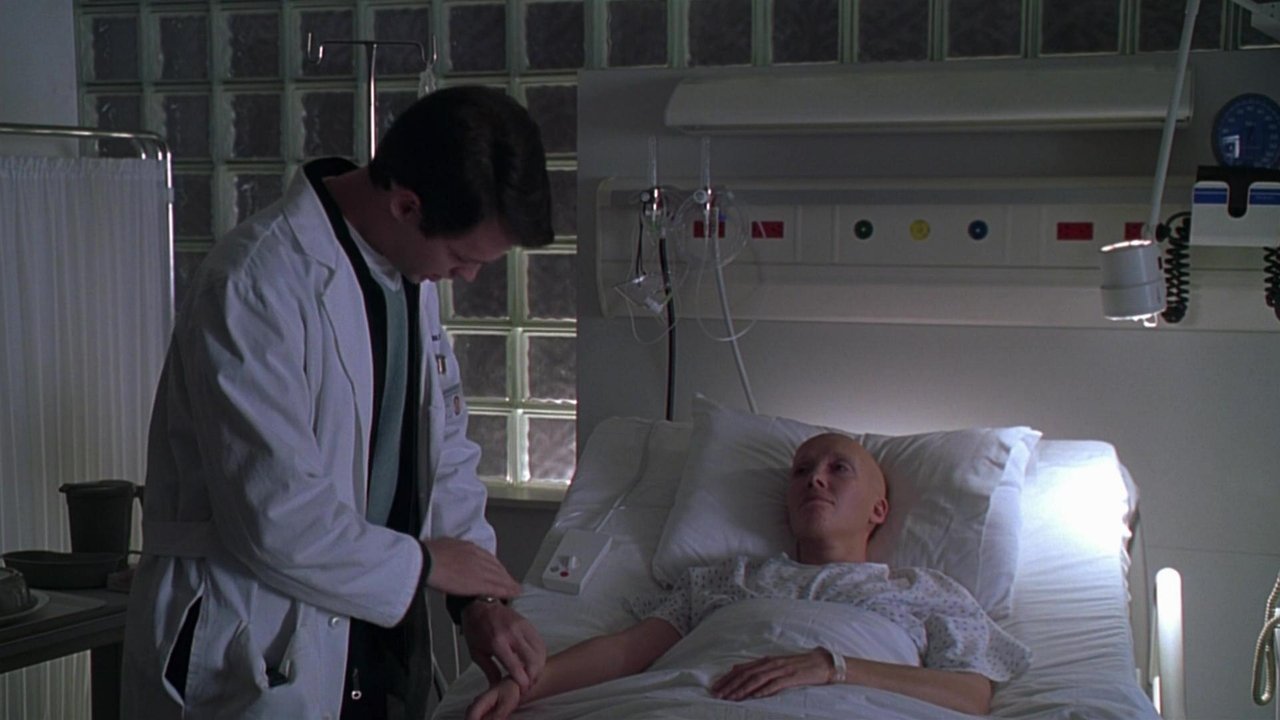
The film is surprisingly relevant for anyone interested in the healthcare system. It contrasts the cold, data-driven approach of the young research fellow (played by a very young Jonathan赴Meyers) with the simple, human kindness of the nurse, Susie. It’s a powerful lesson in human-centered design before that was a buzzword. It shows that being the smartest person in the room doesn't matter much if you've forgotten how to be the kindest.
How to Watch It
This isn't a background movie. If you're going to watch it with a teen, do it on a rainy Sunday when you have time to talk afterward. It’s an excellent companion piece for any student currently reading Donne, Milton, or Shakespeare, as it shows that 'difficult' literature isn't just an academic hurdle—it's a tool for surviving life's hardest moments.