Folklore that isn't just window dressing
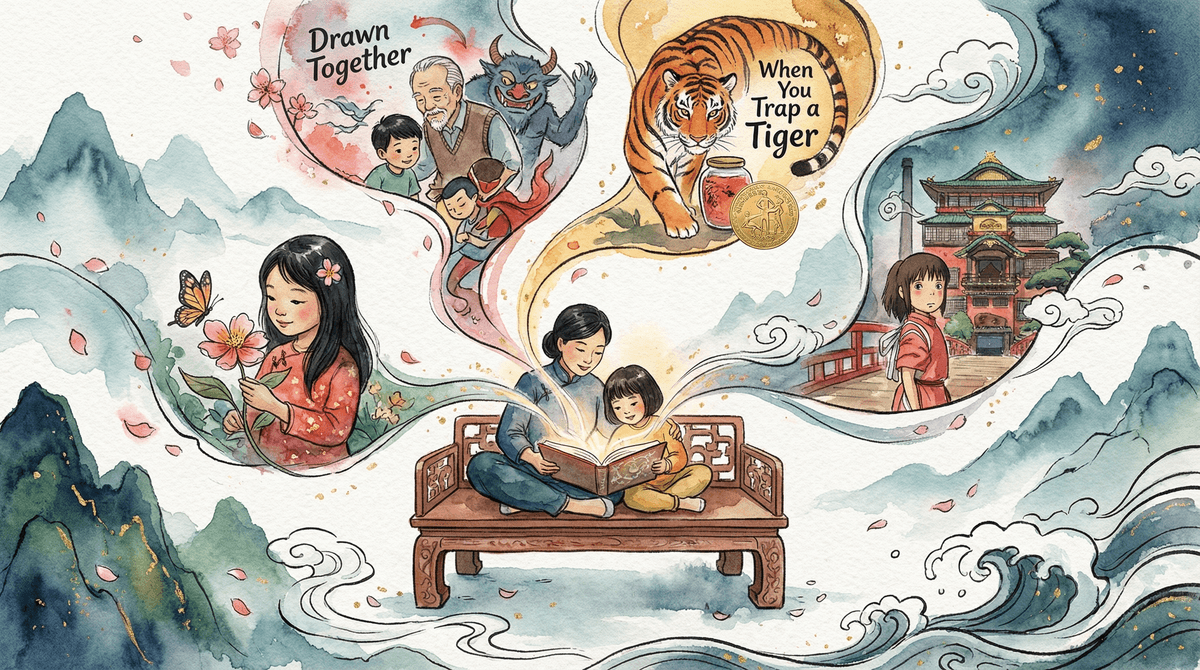
Most middle-grade books use folklore as a colorful backdrop or a source of cool monsters to fight. Tae Keller does something different here. The magical tiger isn't just a quest-giver; it is a manifestation of the secrets and "stolen" stories that Lily’s grandmother, Halmoni, has kept bottled up for decades.
If your kid is used to high-octane fantasy where magic is a tool for combat, this will feel like a pivot. The stakes are internal. The "deal" Lily makes with the tiger—returning these stolen stories to save her grandmother’s health—is a brilliant way to make the abstract concept of family history feel urgent. It’s a great example of how award-winning books for kids can use magical realism to tackle topics that would otherwise feel too heavy or academic for a twelve-year-old.
Navigating the "gray pall"
You’ll see some reviews mention a "gray pall" over the narrative. They aren't wrong. This book deals directly with terminal illness, and it doesn't offer a cheap, magical cure-all at the end. It’s emotionally demanding. However, it isn't a "misery book." The sadness is balanced by Lily’s growing friendship with Ricky and her complicated, relatable relationship with her older sister, Sam.
If you are looking for books about grief that don't feel like a lecture, this is the gold standard. It gives kids a vocabulary for loss without being clinical. The tiger represents the things we are afraid to say out loud. By the time the story wraps up, the "gray" feeling has shifted into something more like peace. It’s a heavy lift, but the payoff is a sense of emotional resilience rather than just sadness.
The "Quiet Hero" energy
Lily is an introvert, and Keller writes that experience with a lot of empathy. She’s the kind of character who feels invisible and sometimes prefers it that way. This makes her journey toward "finding her voice" feel earned rather than like a cliché trope.
For parents looking for books with Asian American characters, this offers a specific, authentic look at the Korean-American experience—specifically the tension between the stories of the "old country" and the reality of living in a rainy town in the Pacific Northwest. It’s a story about identity that feels lived-in. If your kid is the type to sit in the back of the class and observe everything, they are going to see themselves in Lily. It’s a quiet, shimmering kind of power that sticks with you much longer than a typical "chosen one" narrative.