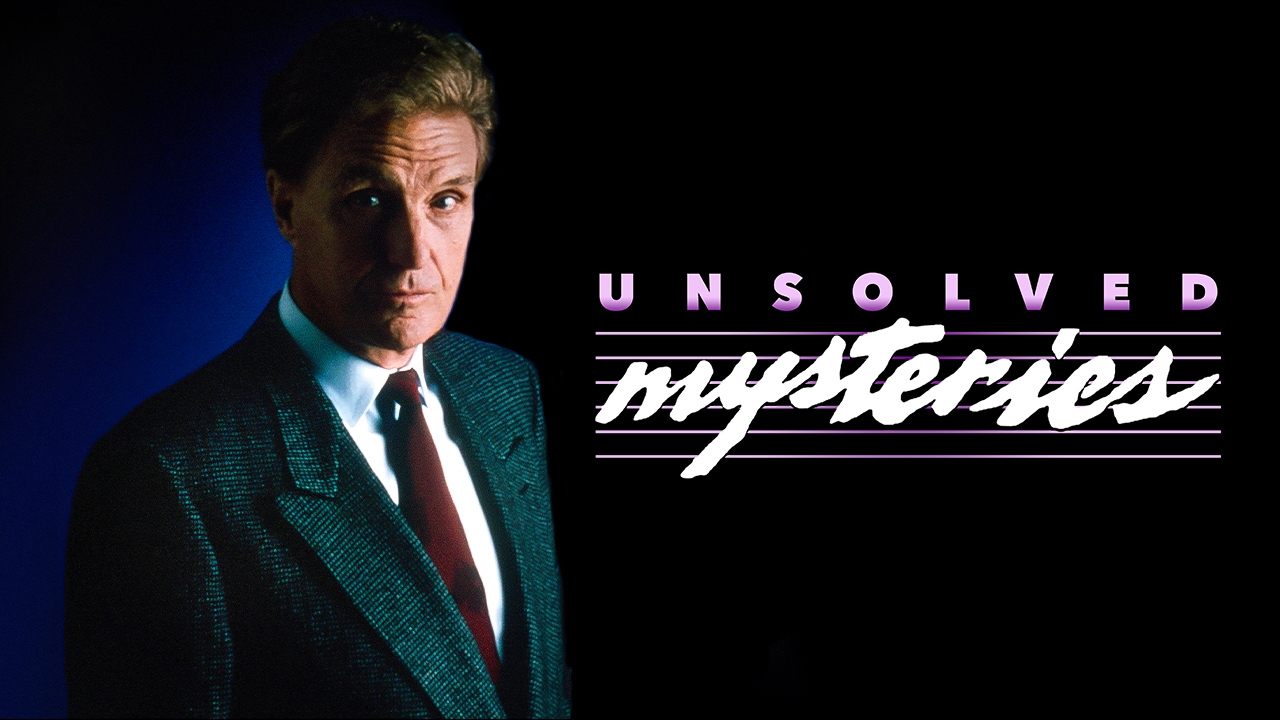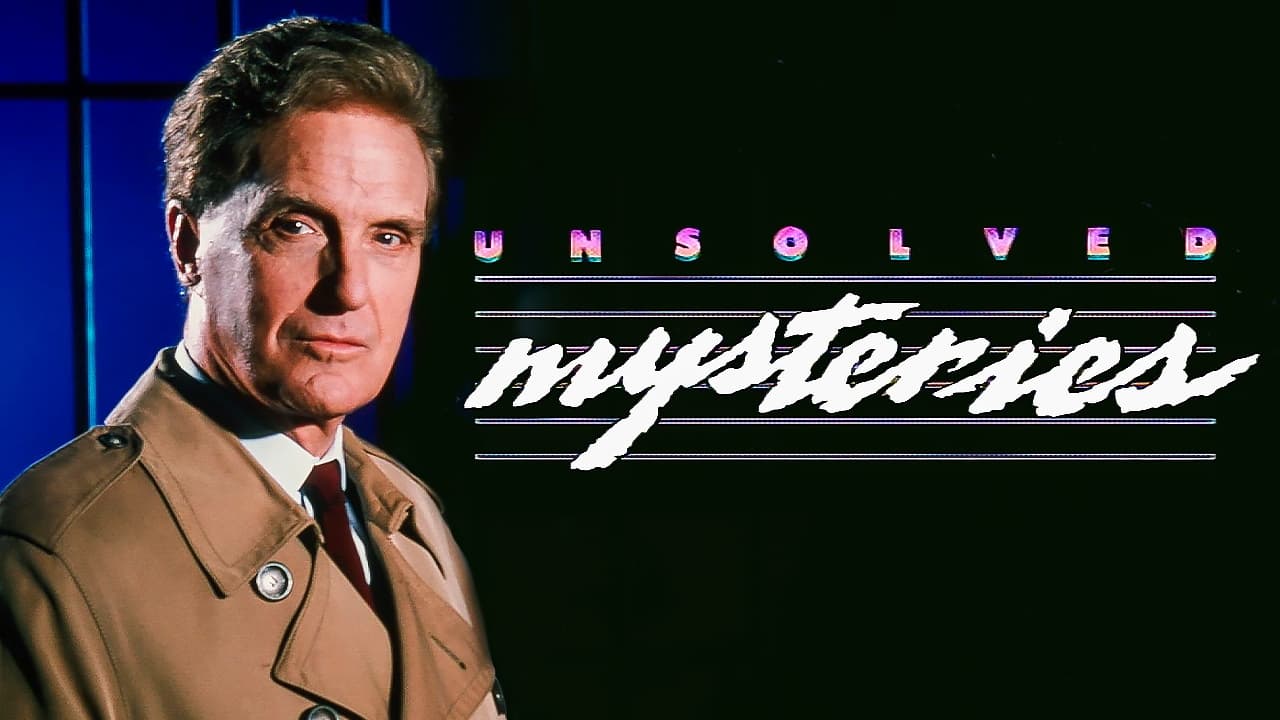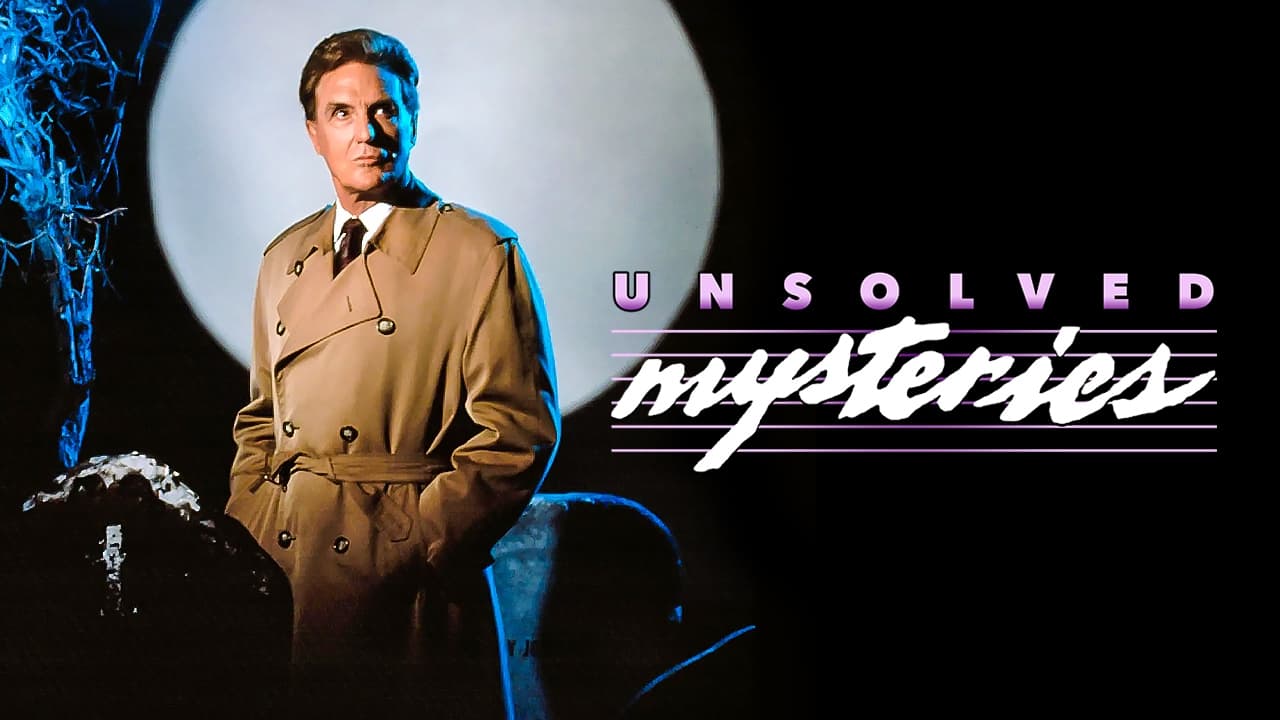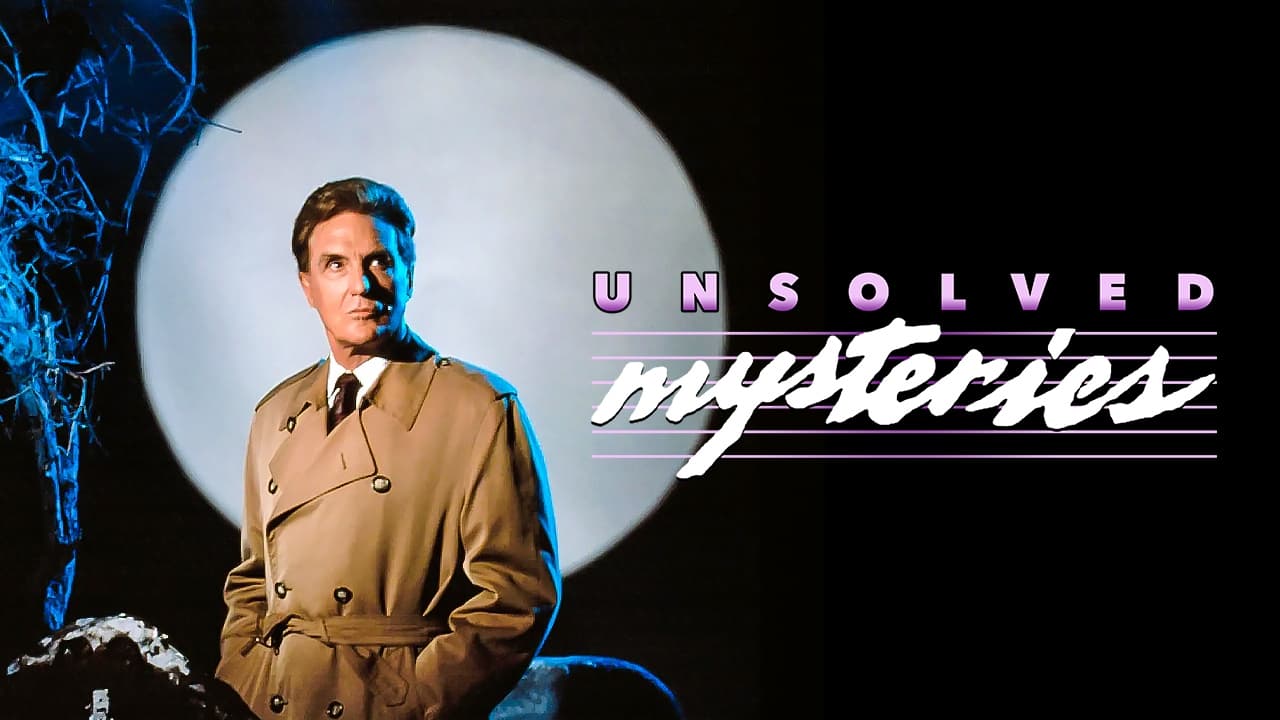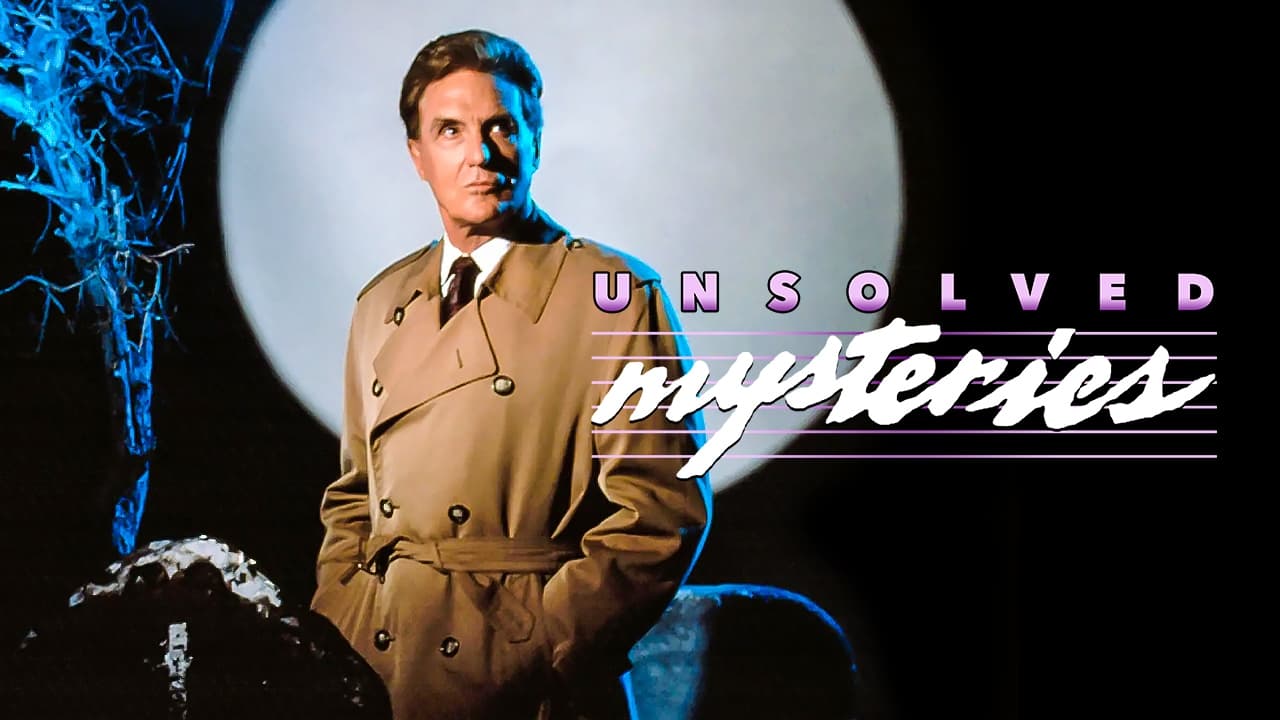
Unsolved Mysteries

Unsolved Mysteries

show

1988, Mystery, Drama

WISE
28%

WISE Score

7.7

TMDB

The OG true crime show that gave a generation of '90s kids nightmares about real unsolved murders and UFO abductions.

TMDB7.7
Common Sense Media
Where to Watch
Loading streaming options...
Screenwise Verdict

Look, Unsolved Mysteries is a cultural landmark that defined true crime television for decades. But let's be honest: it's also deeply unsettling content wrapped in 1988 production values that make it feel like you're watching through a Vaseline-smeared lens.

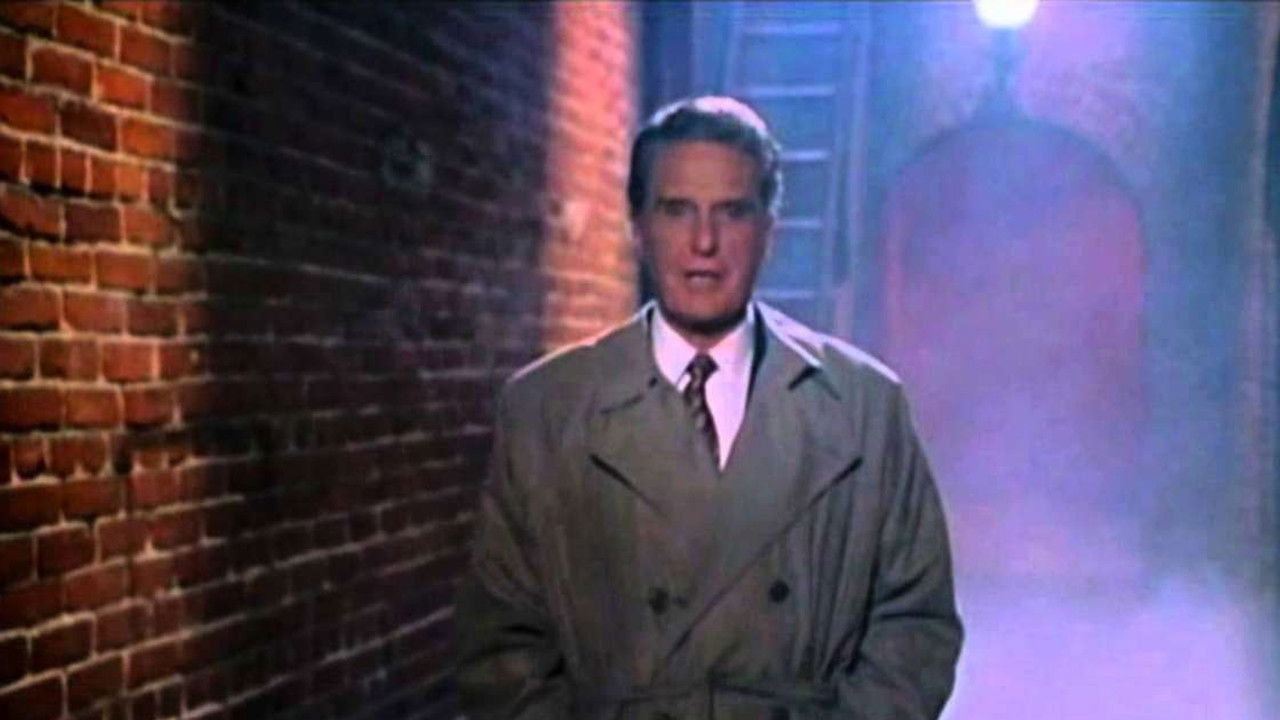
The show features REAL murders, kidnappings, and disappearances with dramatic reenactments that, while tame by today's standards, are psychologically disturbing precisely because they're real. Robert Stack's gravelly voice intoning about a mother who never came home or a child who vanished without a trace will burrow into your brain and set up camp there.

For modern viewers, the bigger issue is watchability. The pacing is glacial, the production quality is rough, and the format feels incredibly dated. Kids raised on fast-paced true crime podcasts and slick Netflix documentaries will find this borderline unwatchable. Adults with nostalgia for the show might enjoy revisiting it, but even then, it's more of a curiosity than compelling viewing.

If you're looking for true crime content, there are far better modern options that handle the material more responsibly and are actually engaging to watch. This belongs in the "remember when" category, not the "let's watch tonight" queue.
Age Fit

This is really only appropriate for adults and mature teens 16+. The real crime content, disturbing reenactments, and psychological impact of knowing these are actual unsolved cases make it unsuitable for younger viewers. Even for teens, it should come with conversation and context from parents.

WISE Breakdown
Wholesome
35

The show dramatizes real crimes, disappearances, and deaths with unsettling reenactments. While not gratuitously violent, the emotional tone is dark and anxiety-inducing—families torn apart, children missing, murders unsolved. The pacing is deliberately eerie with Robert Stack's ominous narration creating a foreboding atmosphere. Not emotionally healthy viewing, especially for younger audiences who may internalize these real-world fears.

Imaginative
55

The format invites viewers to think critically, piece together clues, and engage as amateur detectives through the call-in component. The paranormal segments offer some imaginative territory. However, it's ultimately passive consumption of real cases with limited creative expression or exploration. The dramatic reenactments follow a formulaic structure that becomes predictable after multiple episodes.

Safe
25

This is fundamentally unsafe content for children. Real murders, abductions, child disappearances, paranormal phenomena, and unexplained deaths are presented with dramatic reenactments that can be genuinely frightening. The show features surprise violence, disturbing imagery of crime scenes, and emotionally distressing interviews with grieving families. While not gory by modern standards, the psychological impact of knowing these are real unsolved cases makes it far more unsettling than fictional crime shows. Absolutely not something a young child should stumble upon.

Enriching
50

There's genuine educational value in understanding investigative processes, critical thinking about evidence, and civic engagement through the tip line. The show raises awareness about real missing persons and unsolved cases, which has led to actual case resolutions. However, the entertainment value is derived from human tragedy, and the paranormal segments undermine credibility. The skills developed are limited—mostly pattern recognition and deductive reasoning—but the emotional toll may outweigh cognitive benefits for many viewers.

Parent Info

Why It Might Be Great

  • Pioneered the true crime genre and viewer participation in solving real cases—dozens of cases were actually solved thanks to viewer tips
  • Teaches critical thinking and deductive reasoning as viewers analyze evidence and testimonies
  • Historical artifact of late '80s/early '90s television that offers insight into how crime was covered before the internet era
  • Robert Stack's iconic delivery and that synth theme song are genuinely memorable cultural touchstones

What to Watch For

  • Real murders, kidnappings, and missing persons cases with dramatic reenactments that can be deeply disturbing—these aren't fictional stories
  • The production quality screams 1988: grainy footage, dated effects, and pacing that feels glacial by modern standards
  • Paranormal segments mix UFOs and ghosts with legitimate crime, which can be confusing for kids trying to understand what's real
  • The show will absolutely give sensitive kids (and adults) anxiety about stranger danger and unsolved crimes in their own communities
  • Some cases involve child victims, which is particularly distressing content

Conversation Starters

  • "Why do you think some crimes remain unsolved for so long? What makes investigation difficult?"
  • "How has technology changed the way police solve crimes since this show was made in 1988?"
  • "What's the difference between being cautious and being paranoid about crime? How do we find that balance?"
  • "Do you think shows like this help solve crimes or just exploit tragedy for entertainment?"
Stills
Unsolved Mysteries — still 1
Unsolved Mysteries — still 2
Unsolved Mysteries — still 3
Unsolved Mysteries — still 4
Unsolved Mysteries — still 5
Unsolved Mysteries — still 6
Unsolved Mysteries — still 7
Unsolved Mysteries — still 8

Ask Anything

Get a personalized guide on any topic