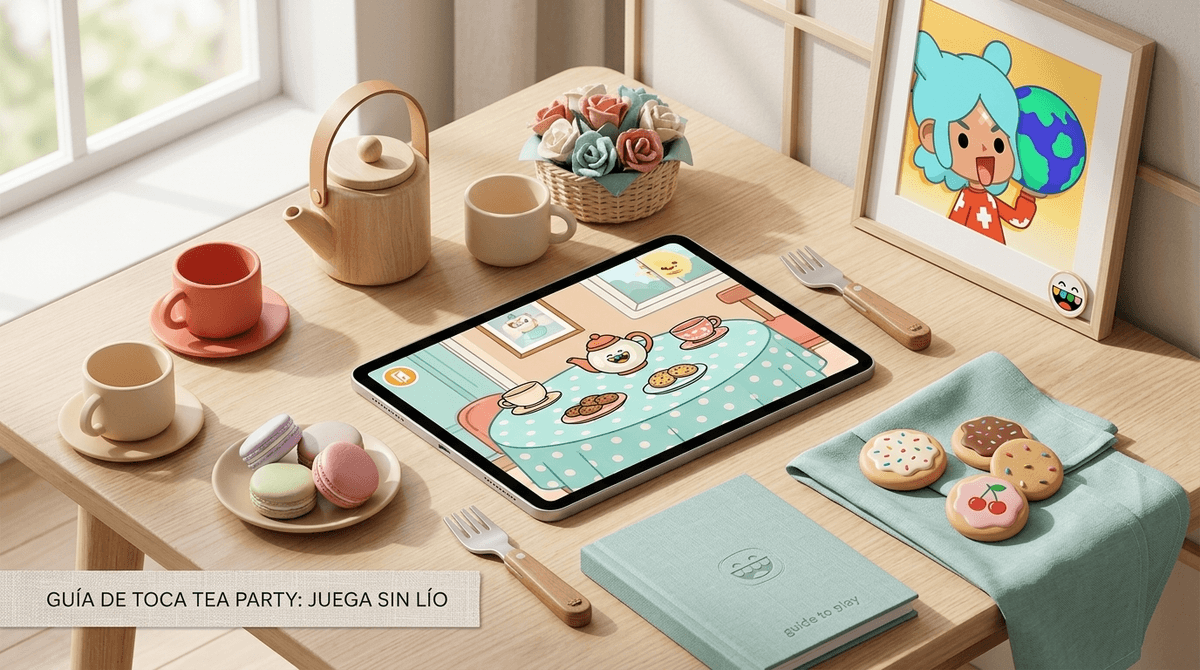
The magic of this app isn't just what's on the screen; it's where the screen sits. Most mobile games want your kid hunched over, neck bent, and eyes locked. Toca Tea Party is designed to be placed flat on a surface between people. It’s a digital prop for a physical social interaction.
The Tablet as a Table
This is a rare example of an app that actually encourages eye contact. Because the interface is a top-down view of a table, it invites multiple kids—or a kid and a parent—to sit around the device rather than behind it. You aren't just tapping icons; you're "pouring" tea and "passing" plates. If you have a toddler who struggles with the fine motor skills of a real ceramic pitcher but wants to feel like a host, this is a great bridge. It’s a low-stress way to practice the rhythm of a meal, like waiting for someone to finish their cake before offering more, without the sticky reality of spilled juice on your rug.
Standalone vs. The Toca Multiverse
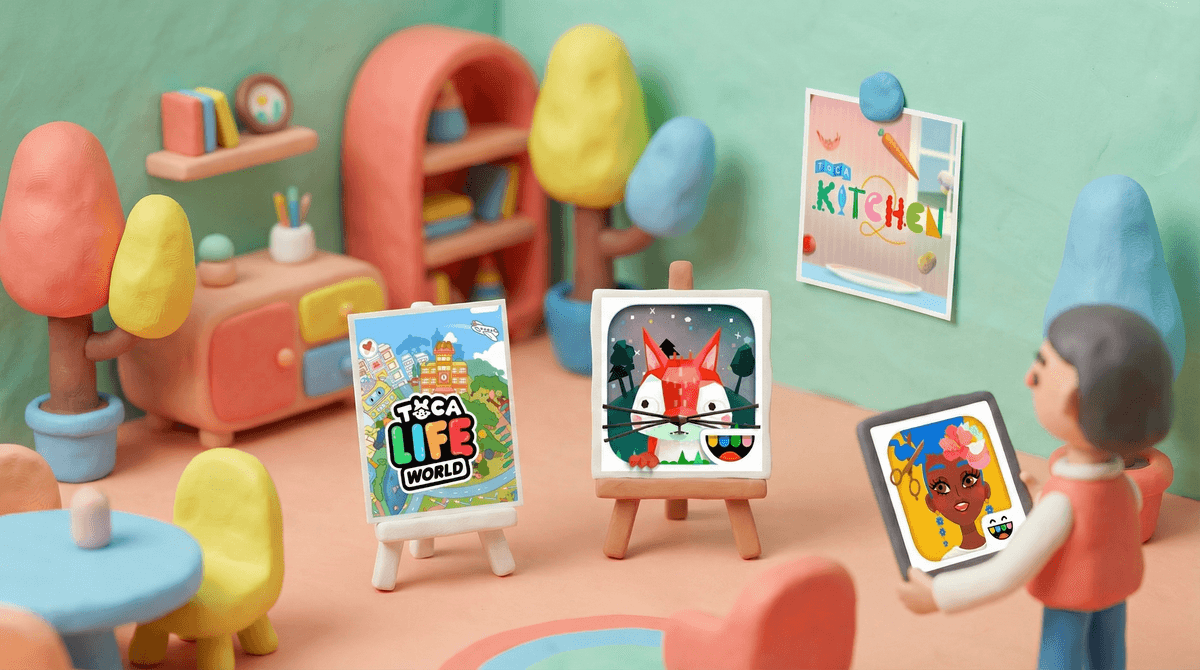
If you’ve spent any time in the modern Toca ecosystem, you know it can be a sprawling, overwhelming experience of in-app purchases and "World" building. This app is a throwback to a simpler era. It’s a focused, one-task experience. While the developer has moved toward the massive Toca Life World platform, these older, standalone apps are often better for the preschool set. They don't have the "where do I go next?" friction of a giant digital city. It’s just you, the tea, and the guests.
The "Mess-Free" Tradeoff
We should be honest: some kids will find this mid because it lacks the sensory feedback of real play. A digital cookie doesn't crumble and digital tea doesn't have a scent. If your kid is already a pro at hosting real-life parties with stuffed animals, they might find the digital version a bit sterile.
However, for a long car ride or a doctor’s office waiting room, it’s a lifesaver. It provides the structure of Toca Tea Party: The Preschool App That Teaches Manners Without the Mess without requiring you to pack a bag of plastic forks and play-food. If your kid hits the wall with this after ten minutes, it’s usually because they’ve outgrown the "script" of the game. Once they start asking to cook the food or change the characters' clothes, they are ready for something with more agency. But for that sweet spot of ages 3 to 5, it’s a charming, quiet little corner of the screen world.