The Anti-Inspirational Masterpiece
Most media about disability falls into one of two traps: it's either a tragic 'woe-is-them' story or a saccharine 'inspirational' tale where the disability is just a plot device for someone else's growth. There She Goes avoids both by being aggressively, almost uncomfortably, real.
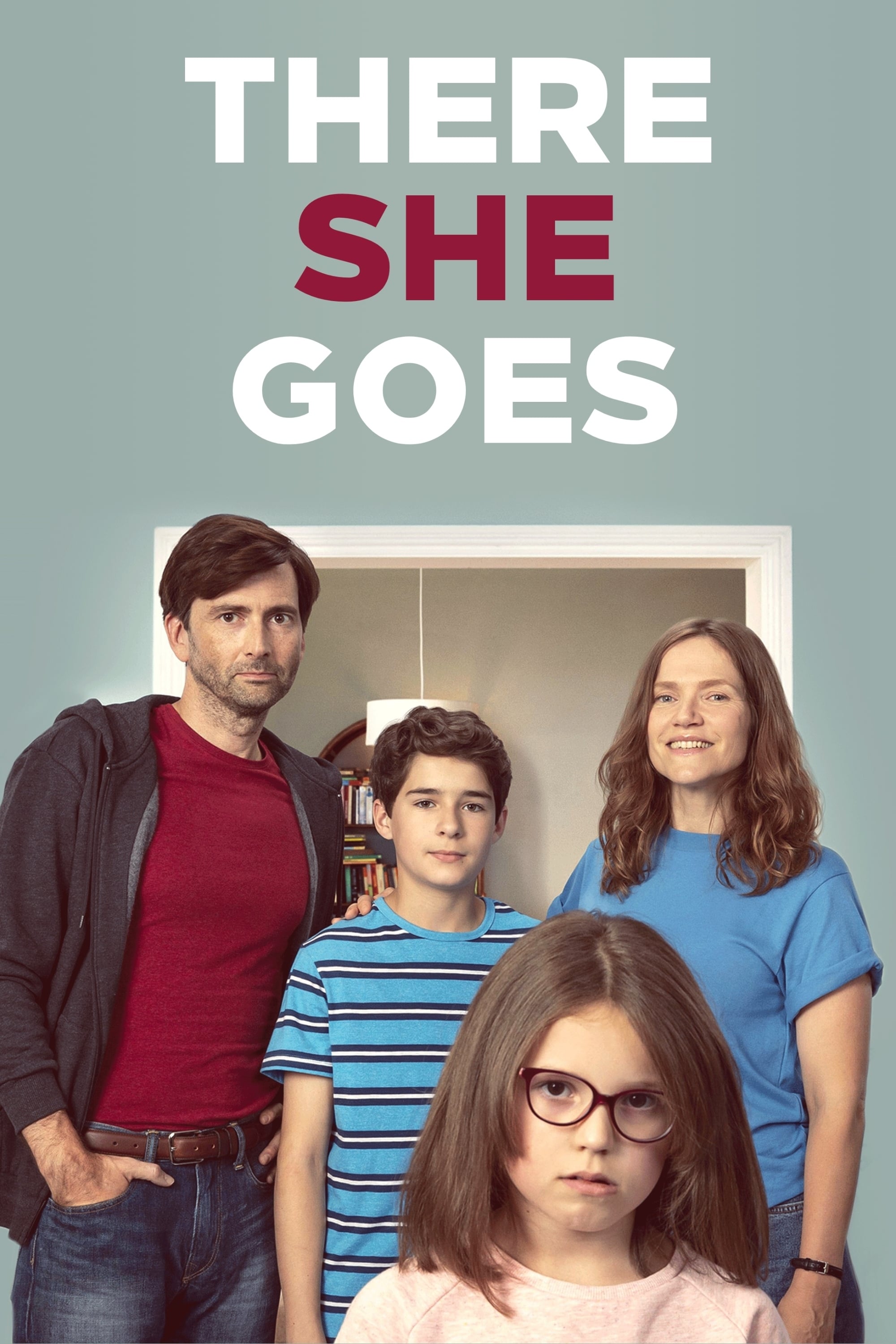
Written by Shaun Pye about his own daughter, the show follows Rosie, who has a rare chromosomal disorder. She is non-verbal, often chaotic, and deeply loved. But the show isn't just about Rosie; it's about the wreckage and the resilience of the people around her. David Tennant plays the dad, Simon, with a mix of biting wit and visible shame over his past failures to cope. Jessica Hynes is the anchor as Emily, the mom who has had to become a logistical expert just to survive the day.
Why the Two Timelines Matter
The show split-screens between two eras: 2006, when Rosie is a baby and the parents are first realizing something is different, and the 'present' (around 2018), where she is nine. This is a brilliant move. It allows the show to explore the raw trauma of the initial diagnosis while showing the weary, practiced competence of the family years later. It reminds us that nobody starts out as a 'super-parent'—they are forged in the fire of very long, very difficult nights.
The BritBox Factor
Because it’s a British production, it has that specific brand of gallows humor that might feel jarring to some American audiences. They swear at each other, they drink too much, and they say things out loud that most parents only think in their darkest moments. But that's exactly why it works. By acknowledging the resentment and the fatigue, the show makes the moments of genuine joy—like Rosie finally learning a single sign or a shared joke between the parents—feel like a massive victory. It’s a high-tier drama that deserves a much wider audience.