The silent teacher
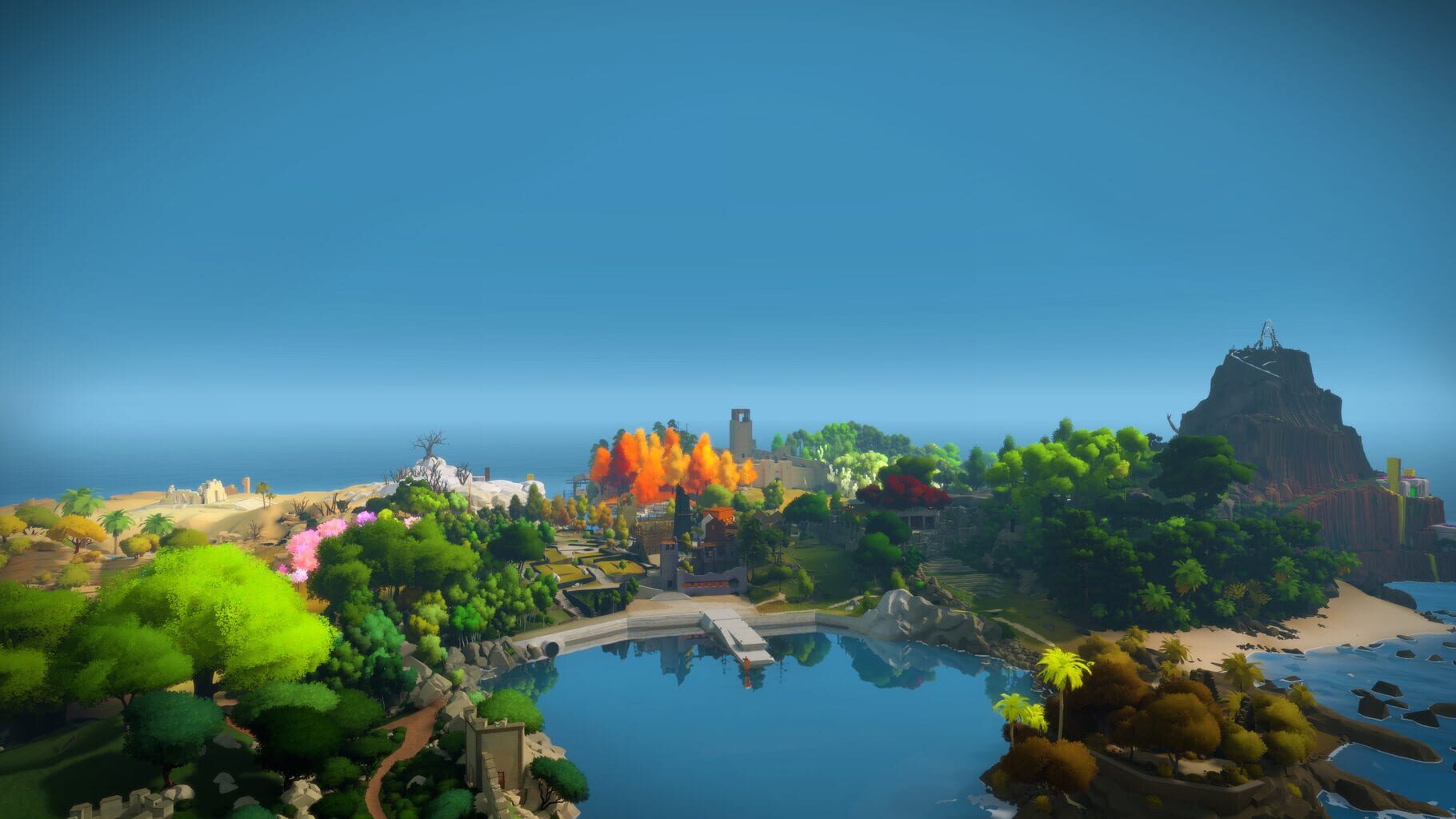
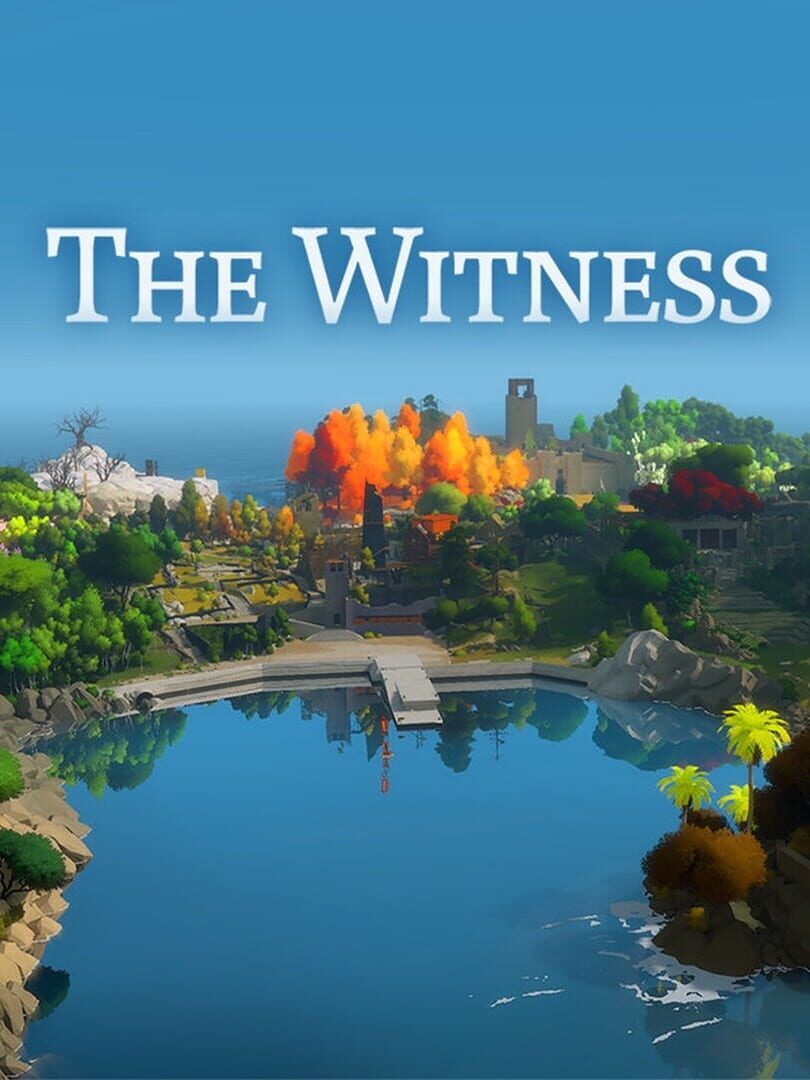
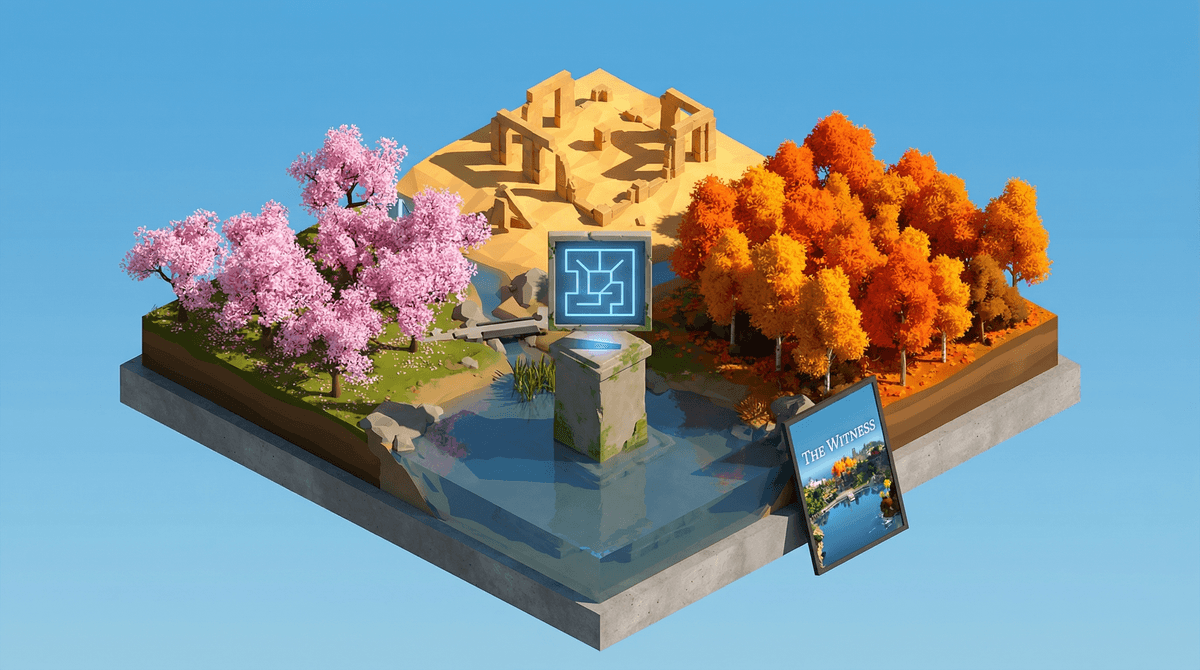
The Witness doesn't have a tutorial. It doesn't have dialogue. It doesn't even have a hint button. Instead, it drops you on a silent, hyper-saturated island and expects you to pay attention. Most games treat the player like a student who needs constant coaching, but this one treats you like an explorer. You learn the "rules" of its world by solving simple line puzzles on glowing screens. When you get one right, a cable lights up, leading you to the next one.
This wordless communication is the game’s greatest strength. It builds a visual vocabulary so naturally that, three hours in, your kid will be solving complex logic problems that would have looked like alien gibberish when they first started. It is a pure distillation of the benefits of puzzle games, stripping away the fluff to focus entirely on the mechanics of thought.
The "stuck" factor as a feature
Most modern media is designed to keep us moving. If a kid gets stuck in a typical game, the software usually offers a skip or a power-up. The Witness offers nothing. If you can't solve a puzzle, you are simply stuck.
This sounds like a recipe for a tantrum, but the open-world design provides a pressure valve. If the puzzles in the desert are too hard, you can just walk over to the tropical forest or the windmill. Often, the "lesson" you need to solve a puzzle in one area is hidden in the mechanics of another. It forces a specific kind of grit: the ability to walk away, let an idea marinate, and return with fresh eyes. We consider this the peak of productive frustration, where the eventual "Aha!" moment feels earned rather than given.
Beyond the glowing screens
The real turning point in The Witness happens when you realize the puzzles aren't just contained on the monitors scattered around the island. The entire environment—the shape of the trees, the shadows on the floor, the silhouette of a mountain—is part of the game’s secret language.
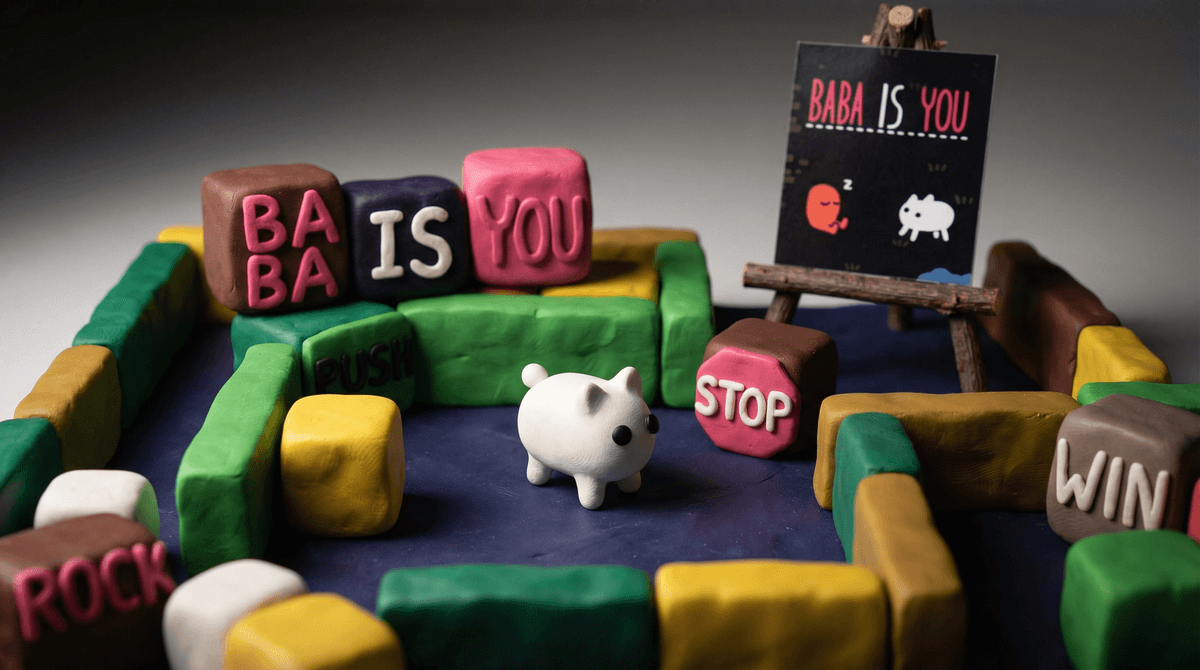
This perspective shift is why the game stays with you. It trains the brain to look for patterns in the world, not just on the screen. If your child has already wrestled with the rule-breaking logic of Baba Is You, they will appreciate how The Witness demands that you constantly re-evaluate what you think you know about your surroundings.
Who is this for?
If your kid needs a high score, a leaderboard, or a cinematic story to stay engaged, they will find this boring. There is no "ending" in the traditional sense that explains why you are on the island. It is an intellectual playground, not a narrative one.
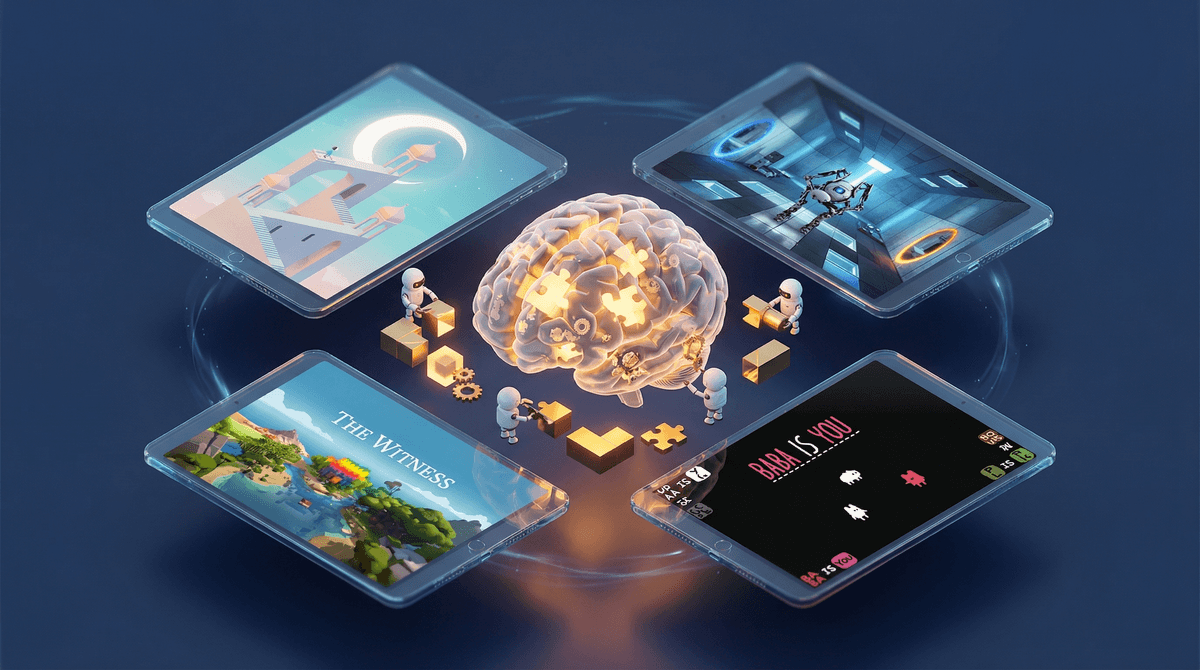
It’s an ideal pick for the kid who likes to take things apart to see how they work, or the one who finds traditional "educational" games too patronizing. Because it’s available on everything from the PlayStation 4 to iOS, it’s also highly accessible. Playing the mobile version on a tablet feels particularly tactile, almost like working through a digital sketchbook. Just be prepared for them to ask you for help, and be prepared for the fact that you might be just as stumped as they are.