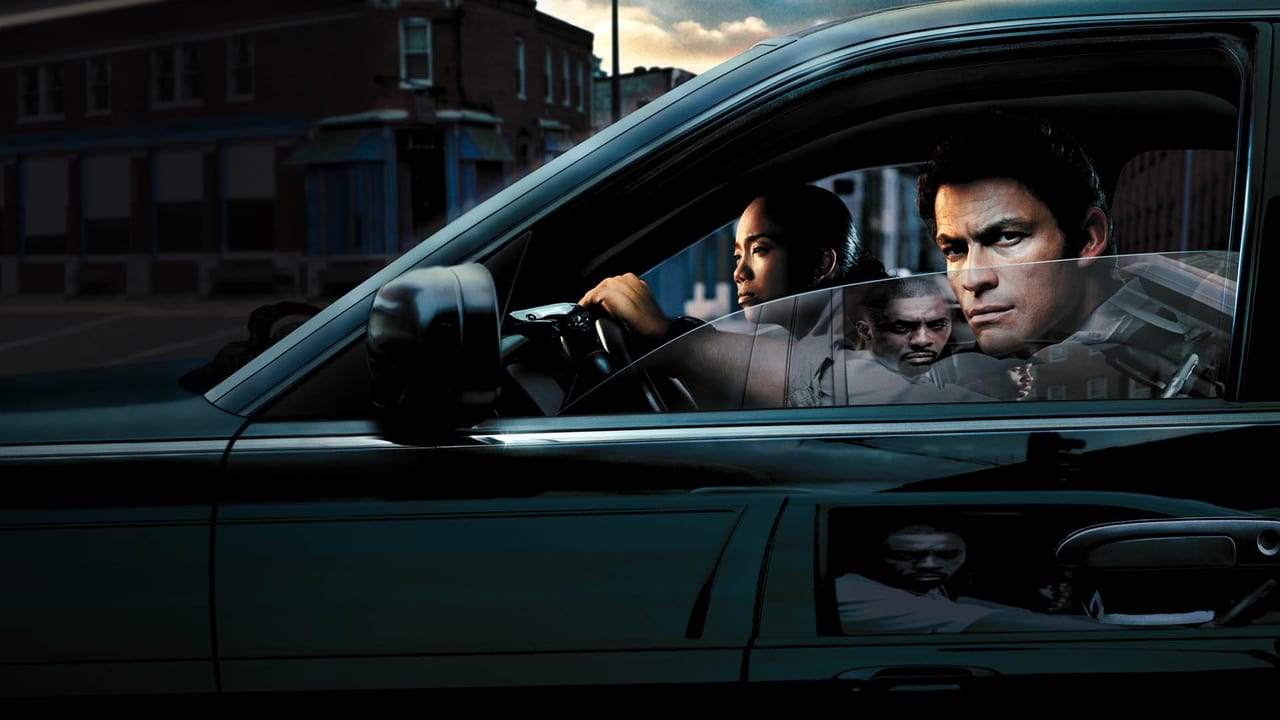
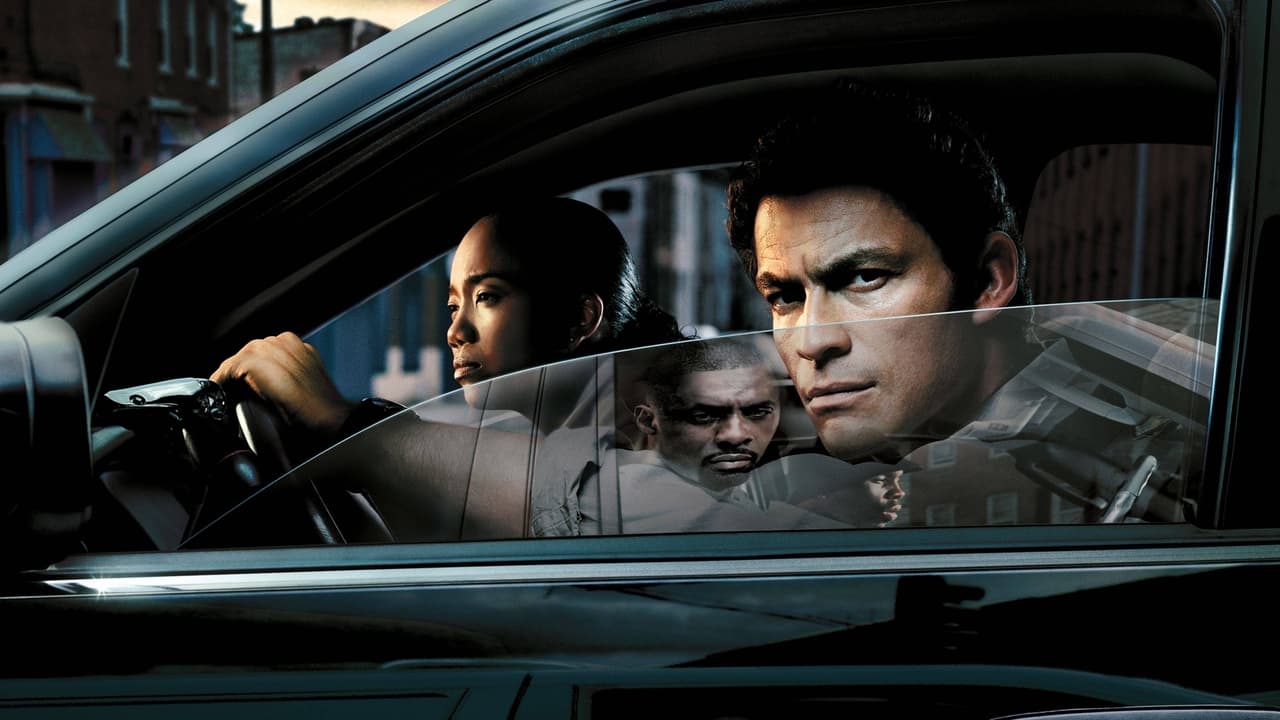
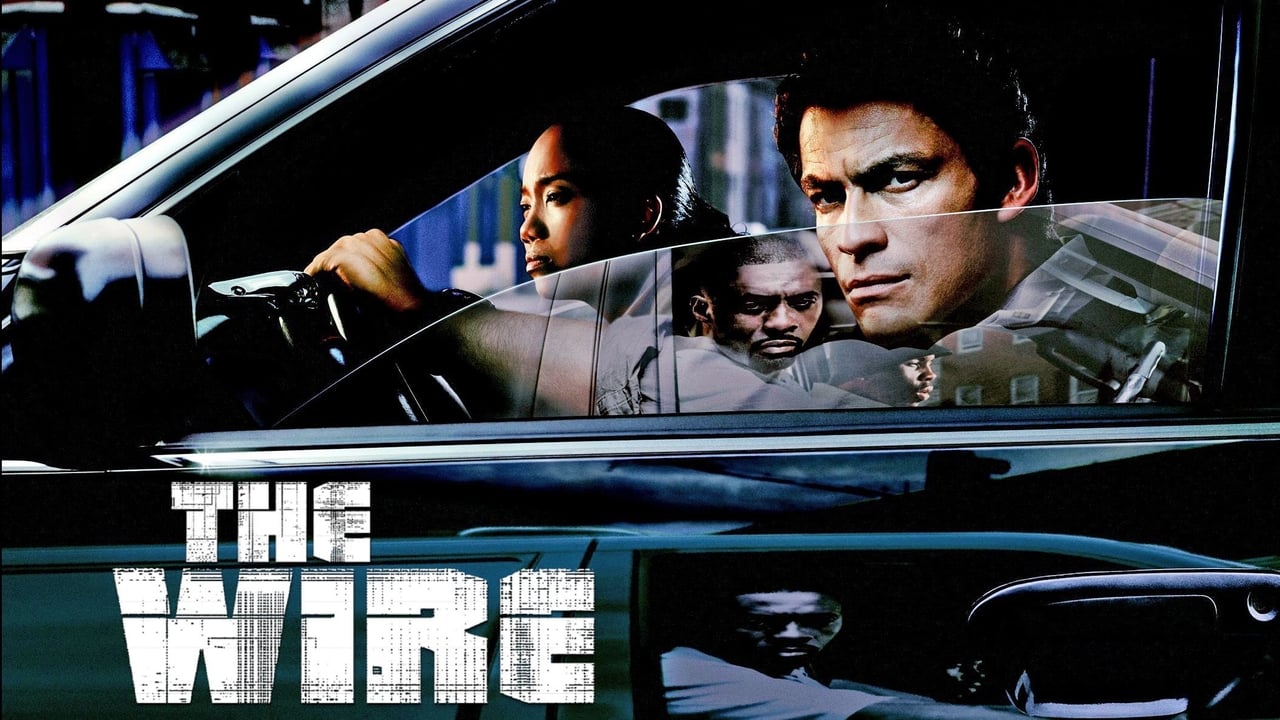
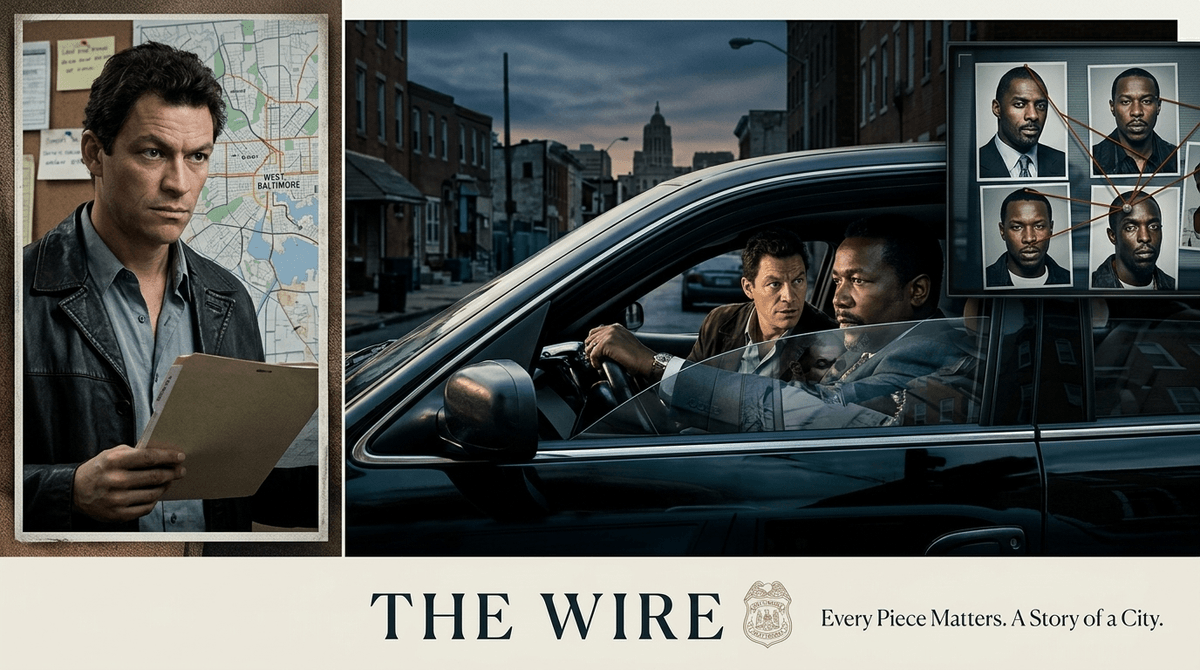
The anti-procedural
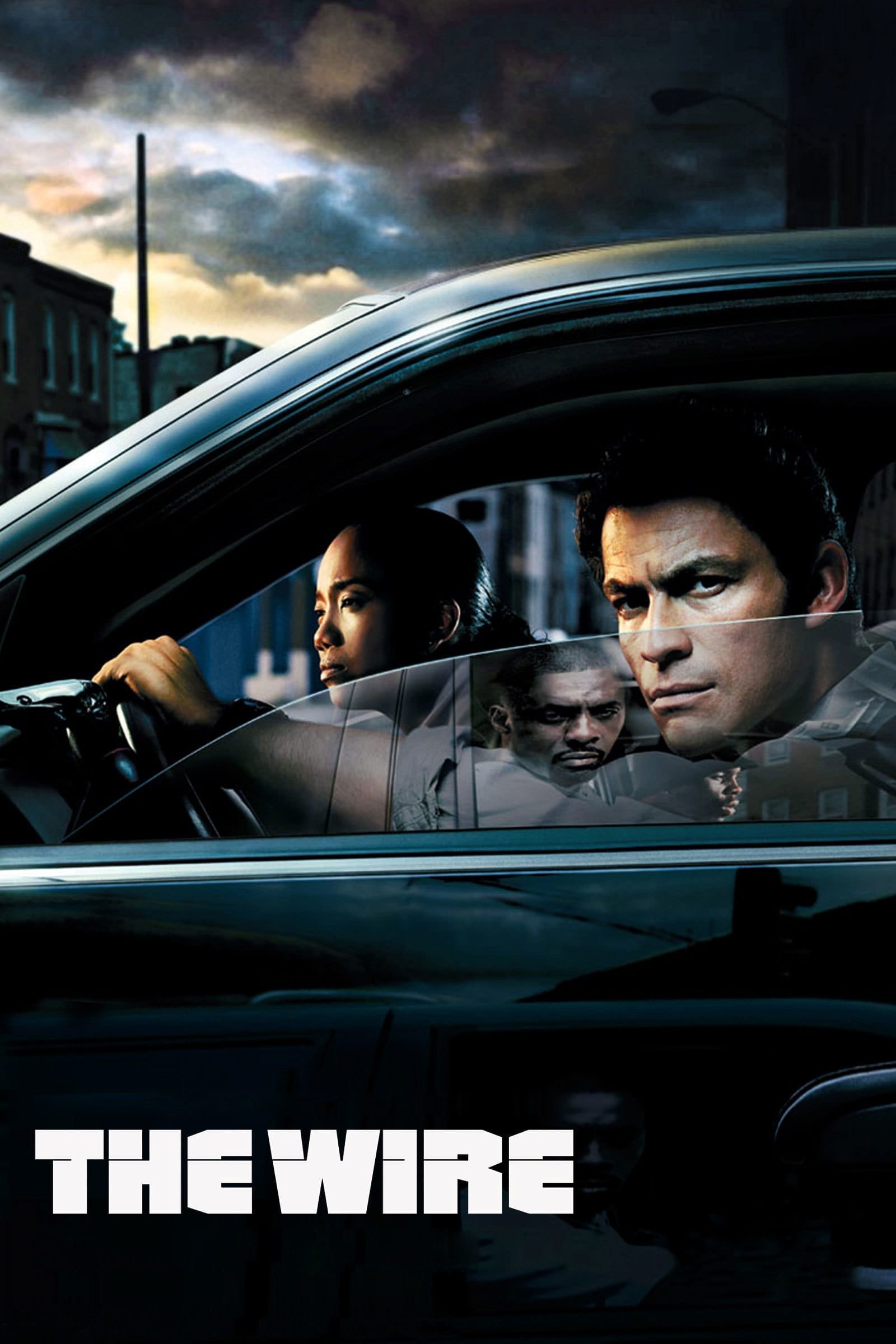
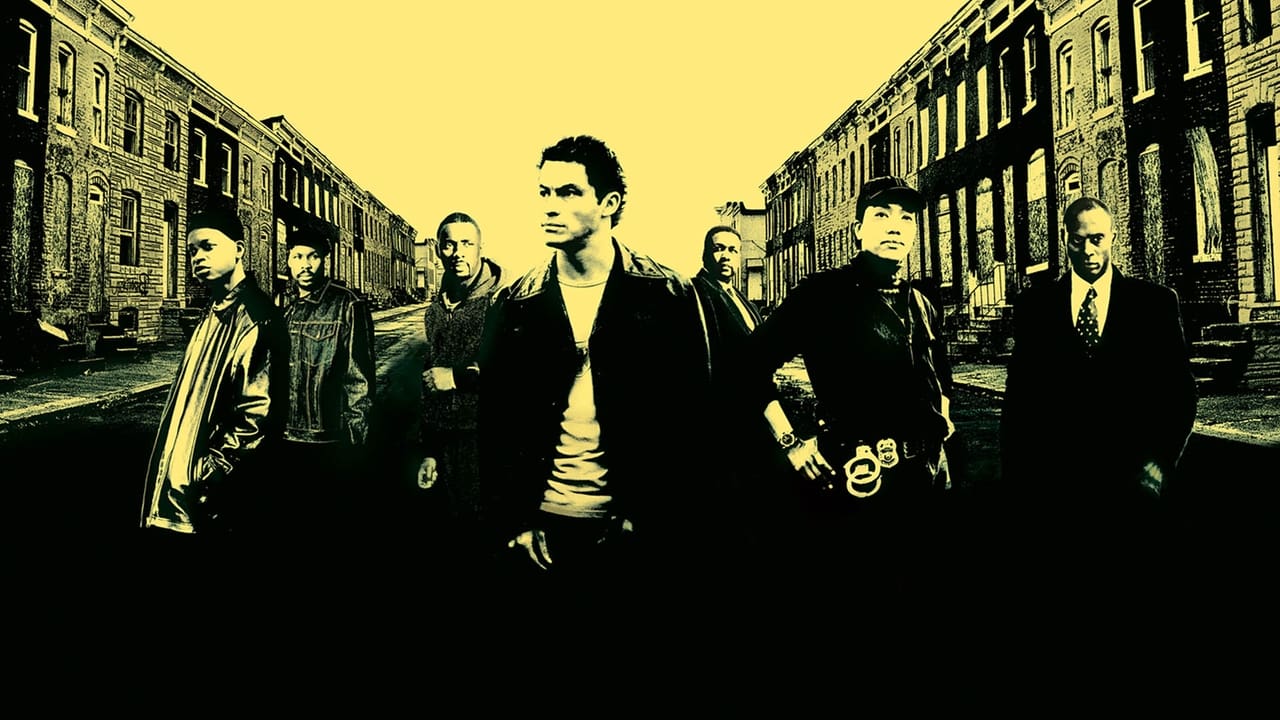
Most cop shows operate on cheap dopamine: a crime occurs in the cold open, detectives chase clues through three commercial breaks, and handcuffs snap shut at minute 42. The Wire treats that formula as a joke. Over five distinct seasons, the series treats the city of Baltimore as a living organism, examining the drug trade, the decline of blue-collar shipping ports, municipal city hall politics, the public school system, and the print newsroom.
It demands total attention. There are no exposition drops, no voiceover recaps, and nobody explains the Baltimore street dialect or precinct jargon. Viewers are dropped into the room and forced to listen closely. That steep learning curve turns off people looking for background noise, but it rewards anyone willing to lock in.
Why Season 4 hits differently for teenagers
While the entire run is exceptional, Season 4—centered on four eighth-grade boys entering Edward J. Tilghman Middle School—is arguably the finest single season of television ever produced. It moves the focus directly into the classroom, illustrating how high-stakes standardized testing, overburdened teachers, and neighborhood trauma collide.
For a 16- or 17-year-old viewer, seeing kids their own age grapple with adult consequences provides a brutal, unforgettable contrast to typical teen media drama. It dismantles the myth that success in school or life is purely a matter of personal grit, showing how structural poverty and institutional neglect funnel children down specific pipelines before they even hit high school.
The pacing shift
Modern television is engineered around the algorithm: cliffhangers every ten minutes, rapid cuts, and frantic plot pacing designed to stop phone-scrolling. The Wire moved at the pace of a real wiretap investigation. Characters spend entire episodes sitting in basement rooms transcribing pager numbers, following paper trails, and staring at surveillance photos.
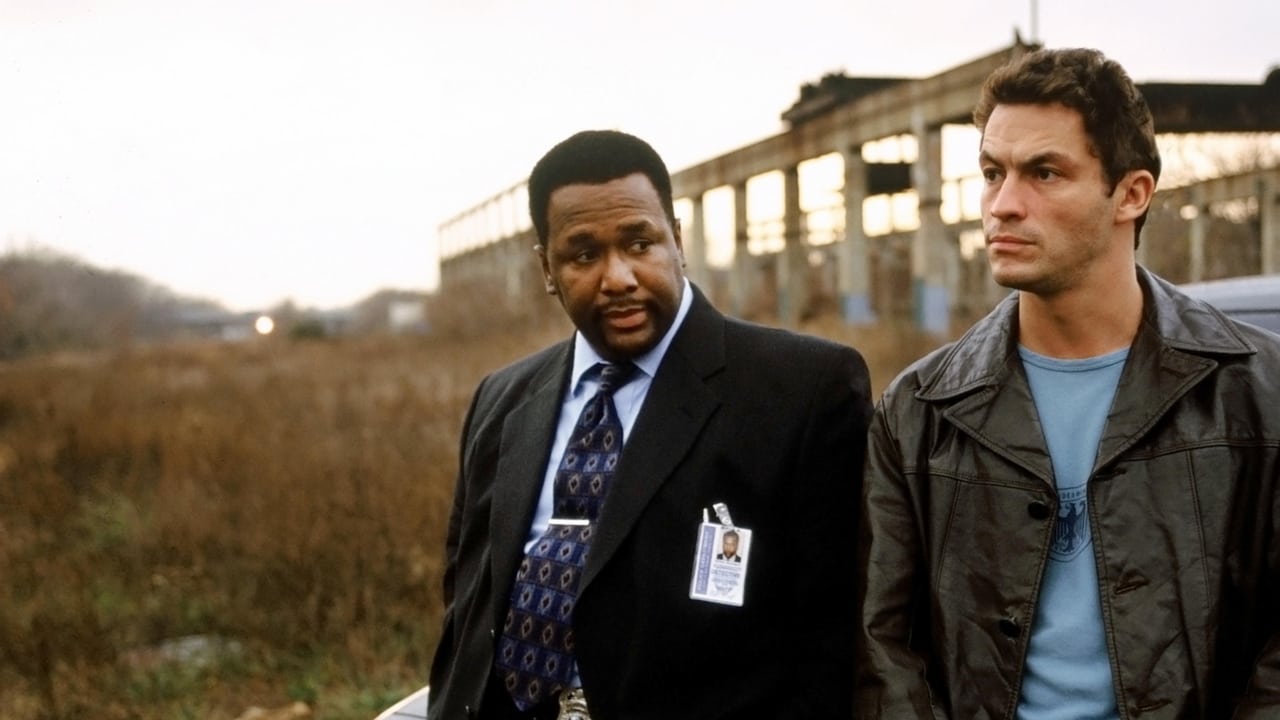
If you watch this with an older teenager, expect some resistance in the first three or four episodes of Season 1. Give it until episode four, where detectives Bunk and McNulty reconstruct a crime scene using only variations of a single expletive. Once the pieces click into place, the momentum becomes impossible to look away from.