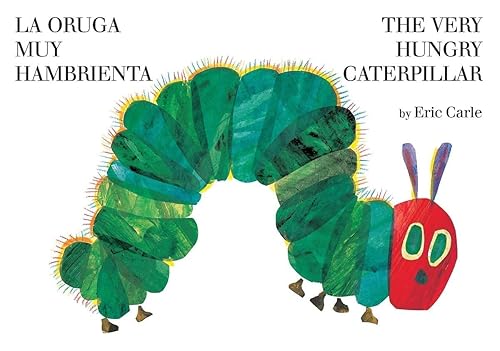
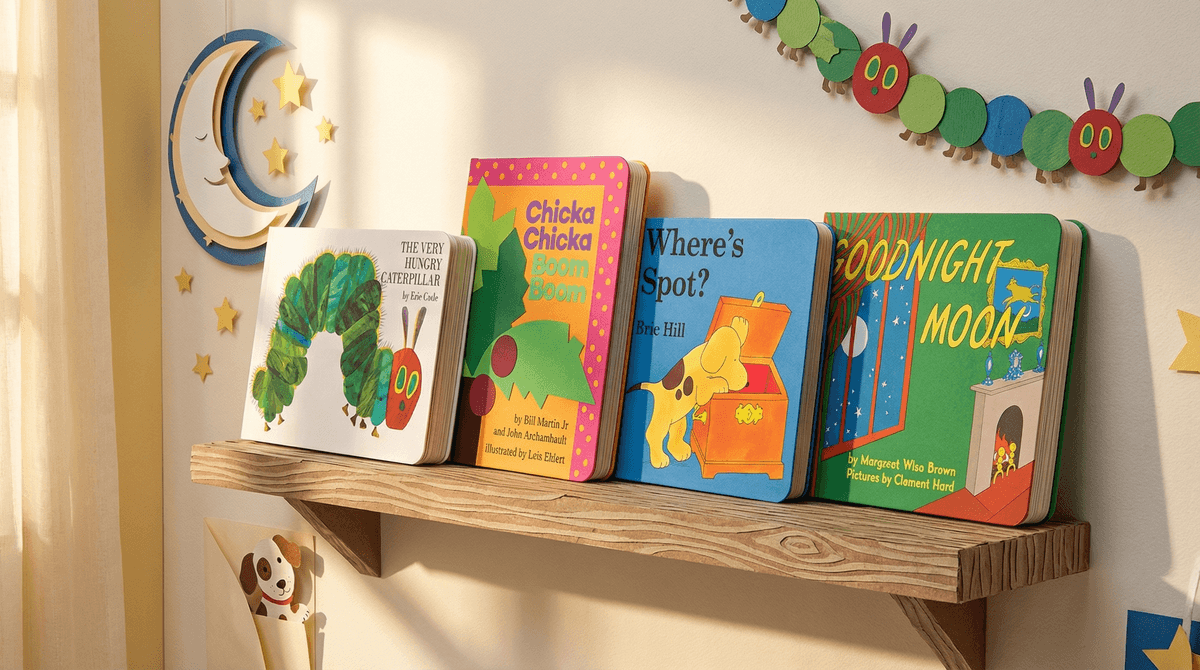
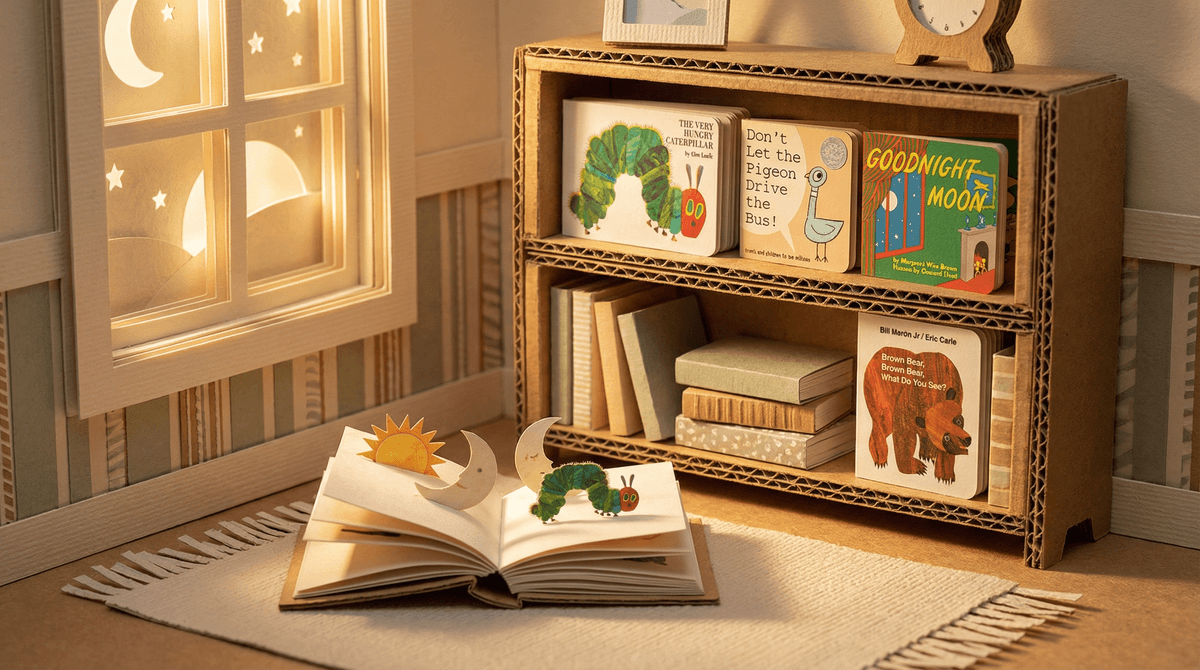
The genius of Eric Carle isn't just in the vibrant tissue-paper collage; it’s in the engineering. Most people think of this as a story about a bug that eats too much, but it’s actually the first piece of "interactive media" most children ever touch. Those die-cut holes aren't just a gimmick. They are the engine that keeps a sixteen-month-old from closing the book and crawling away to find a forbidden power cord.
The physical "click"
In an era where we worry about kids "clicking" through digital stories without absorbing anything, the physical holes in this book serve a different purpose. They act as a tactile anchor. When a toddler pokes their finger through the apple, the pear, and the plum, they are physically tracking the narrative progress. It’s a masterclass in picture books for kids because it understands that a toddler’s primary way of interacting with the world is through their hands.
If you’re looking for picture books with amazing art, this is the entry point. The textures in the illustrations—the way the green of the caterpillar’s body looks like it was layered by hand—teach kids that art is something made, not just something that exists on a screen.
The Saturday binge
The pacing of the book is its secret weapon. You start with the rigid, predictable structure of the week—one apple, two pears—and then Saturday hits like a fever dream. The list of food is unhinged. A pickle, a slice of Swiss cheese, a lollipop, and a piece of cherry pie? It’s the one moment where the book leans into pure silliness before snapping back into the "educational" life cycle of a butterfly.
Kids love this page because it breaks the rules. It’s also the part where you’ll likely get stuck. You will be asked to name every single item on that Saturday spread for three months straight. When you inevitably hit that phase, remember that why reading the same book 47 times is actually a brain hack is a real phenomenon. They aren't trying to annoy you; they’re mastering the sequence.
Why it’s still the heavy hitter
There are plenty of "concept" books that try to teach counting and days of the week, but most of them are boring because they feel like flashcards with a spine. Carle’s work survives because it has a high-stakes protagonist. The caterpillar isn't just counting; he is on a mission. He is hungry, he overdoes it, he gets a stomachache, and then he transforms.
That 4.9 Amazon rating isn't a fluke of nostalgia. It’s a reflection of the fact that this book is basically indestructible—both in its board book construction and its narrative utility. If your kid is currently obsessed with "tapping" everything they see, this is the best way to pivot them back to paper. It gives them something to do with their hands while their brain does the heavy lifting of learning how a story works.