The "Whydunnit" pivot
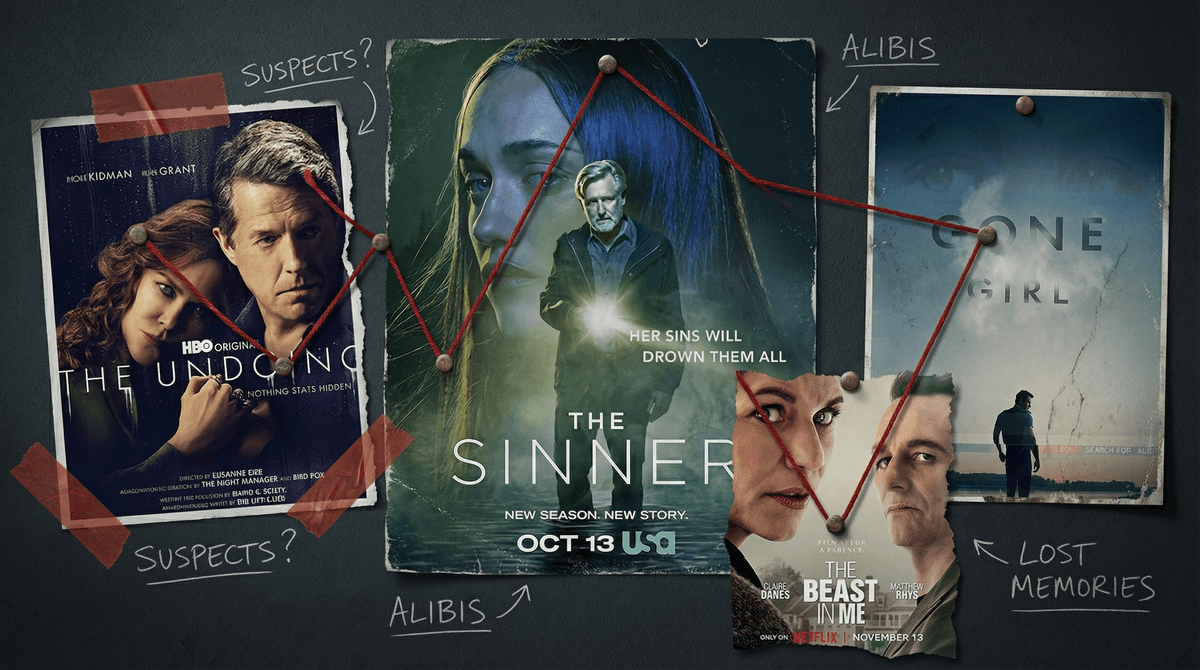
Most crime shows are a race to find the guy in the hoodie. The Sinner flips that script within the first ten minutes. We see the crime happen in broad daylight on a crowded beach. There is no mystery about who held the knife. Instead, the show functions as a psychological autopsy. It asks why a seemingly normal woman would snap in front of her own child and a dozen witnesses.
If you’ve spent time with the slow-burn dread of The Patient, you’ll recognize the vibe here. It’s less about the adrenaline of a chase and more about the discomfort of being trapped in a room with a broken mind. Detective Ambrose doesn't just look for clues; he looks for the specific trauma that acted as a trigger. It’s a fascinating, if heavy, shift from the standard procedural formula.
Why the 16+ rating is a trap
The 92% critic score on Rotten Tomatoes is well-deserved for the acting and the tight writing, but don't let the prestige label or the 16+ rating fool you. This show is visceral. We aren't just talking about a "gritty" tone. The series features explicit sexual content that multiple viewers have flagged as crossing the line into territory that feels much more like an 18+ experience.
The violence isn't stylized or "cool" either. That opening beach scene is intentionally upsetting because of the setting—families, kids, sunshine—and the raw, jagged nature of the attack. It is designed to make you feel unsafe. If your older teen is looking for something similar to the high-stakes tension of The Veil, just know that The Sinner trades espionage for deep, messy, and often sexualized psychological trauma.
The Ambrose factor
Detective Ambrose is the anchor of the series. He isn't the "super-cop" who has everything figured out. He’s a man with his own significant baggage, which is why he’s so drawn to suspects that the rest of the world has already written off as monsters. This creates a "dangerously intimate" bond between the law and the criminal that can be hard to watch.
For adults, this is top-tier television. It’s smart, it’s moody, and it respects your intelligence. But for a younger audience, the lack of a clear moral high ground can be confusing. It shares that dark, heavy atmosphere you might find in The Fall, where the line between the hunter and the hunted gets blurry. If you're going to watch this, do it after the house is quiet. It’s a "one episode at a time" show because the themes are too heavy to binge without a breather.