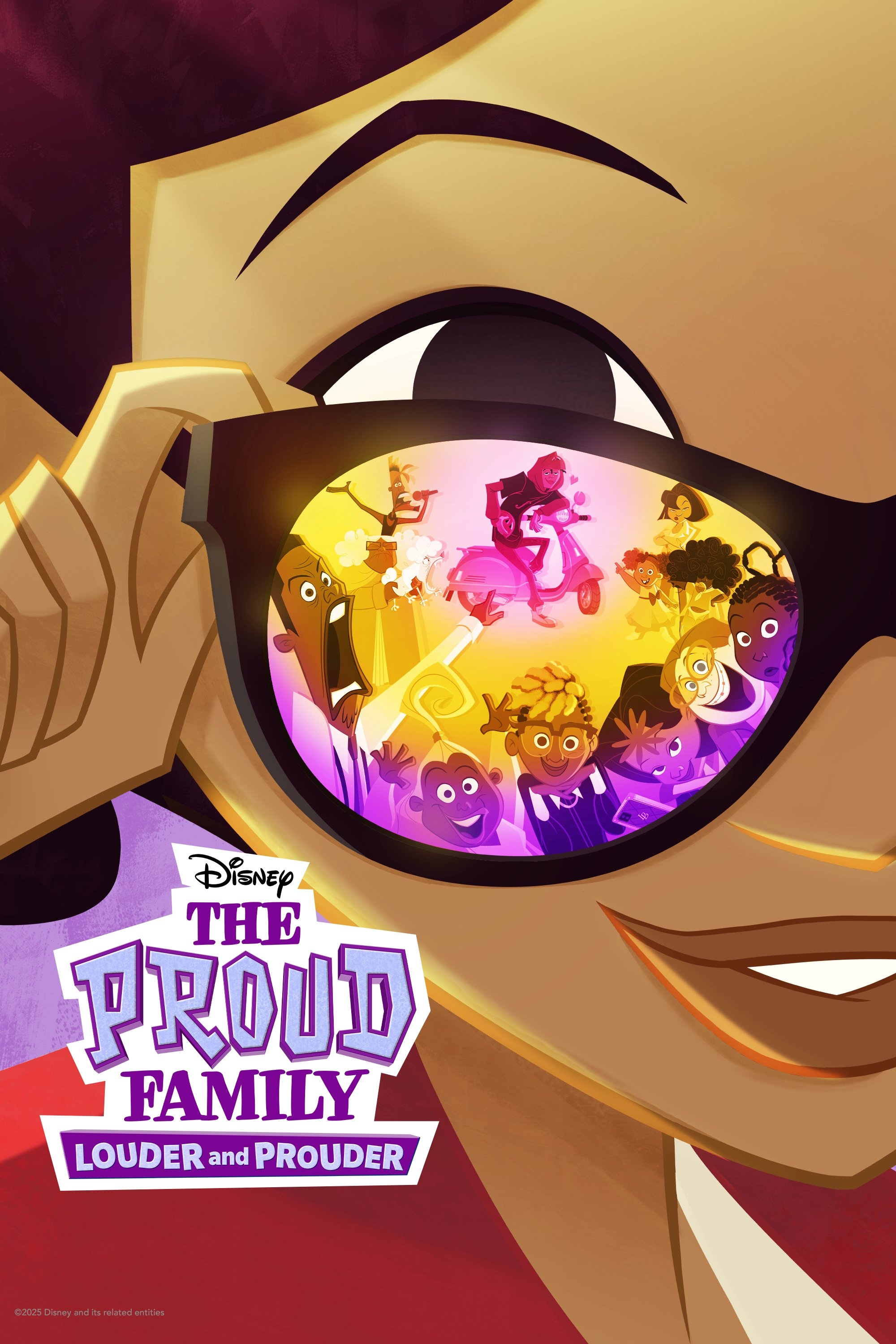
The 3.2 IMDb rating is a massive red flag that you shouldn't ignore. In the world of streaming reboots, a score that low usually indicates one of two things: a coordinated review-bombing campaign or a show that fundamentally misunderstood its audience. With Louder and Prouder, it is a bit of both, but the result for your Friday night movie marathon is the same. It feels less like a cartoon and more like a mandatory assembly in a middle school gym.
The Sitcom vs. The Sermon
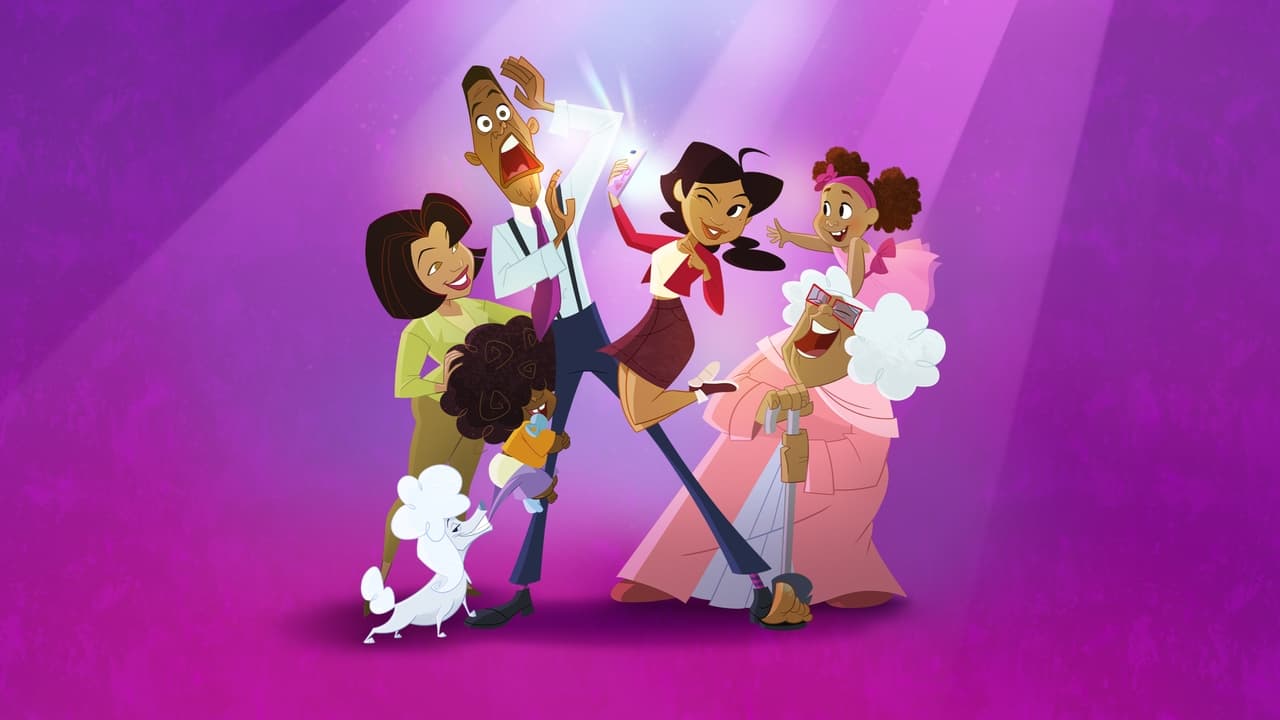
The original Proud Family was a chaotic, loud, and genuinely funny look at a Black family in the early 2000s. It leaned into the "zany comedy" mentioned by critics, using Oscar’s failed snack business or Suga Mama’s wrestling moves to ground its more serious episodes. This version flips the script. The comedy feels like an afterthought, secondary to the "lessons" each episode wants to impart.
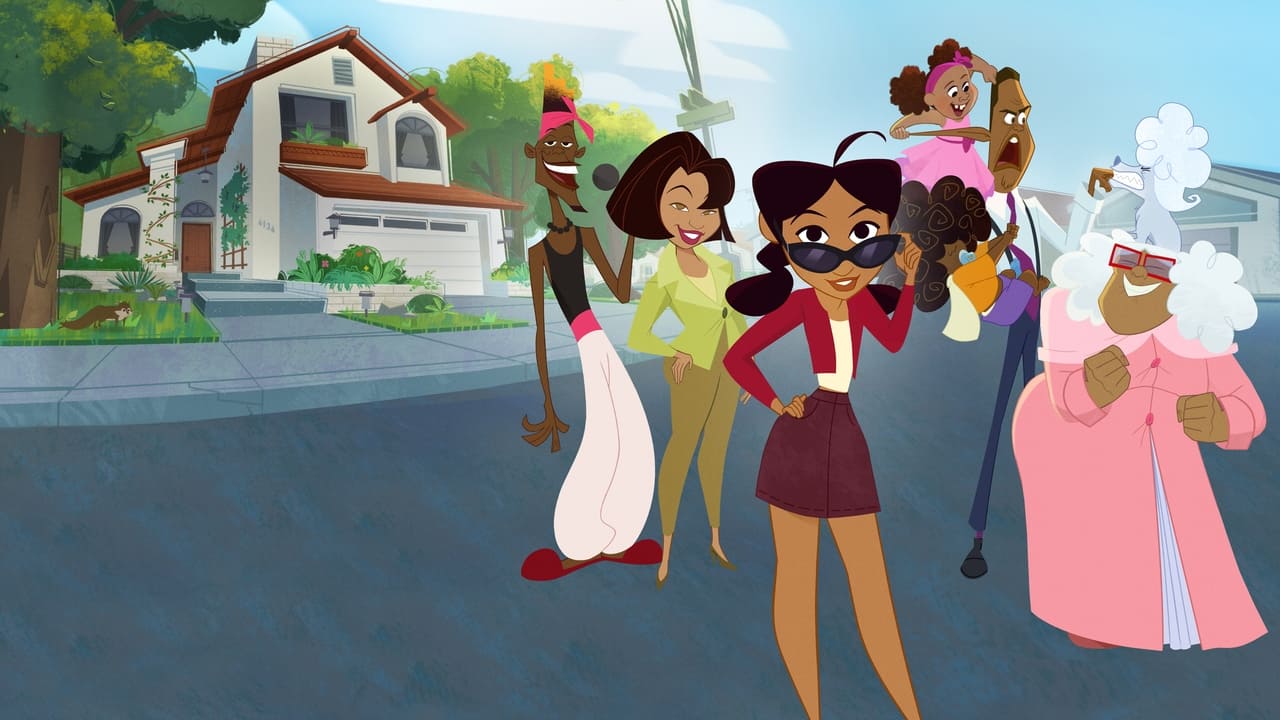
The biggest point of friction for most viewers is the new neighbor, Maya. She is designed to be the moral compass of the show, but she often comes across as a buzzkill who exists solely to lecture Penny. When characters stop being people and start being mouthpieces for specific viewpoints, kids tune out. If you are looking for why representation in kids' media matters, you’ll find plenty of it here, but the execution lacks the "heart" that made the original a classic.
If Your Kid Liked the Original
If your child has been bingeing the 2001 series on Disney Plus, they will notice the vibe shift immediately. The animation is slicker and the colors are brighter, but the soul of the show has been traded for a checklist of 2020s social topics. While it’s great to see a show tackle modern identity and activism, it works best when the characters drive the story rather than the other way around.
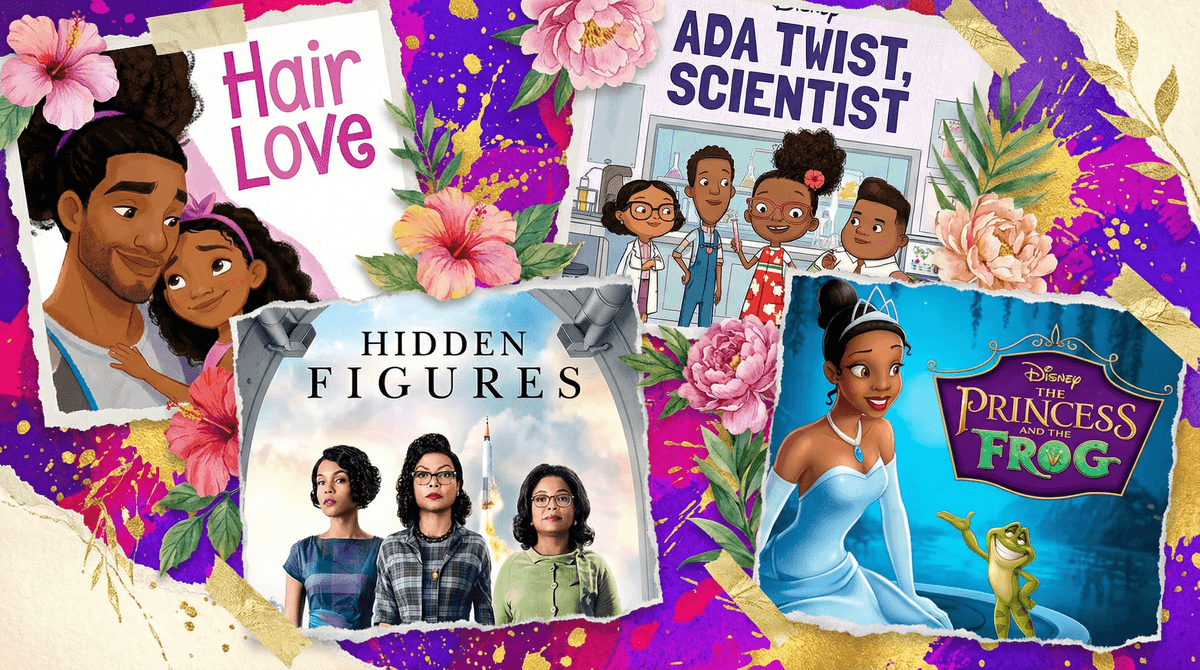
For families specifically seeking Black Girl Magic in movies and shows, there are better options that feel more organic and less like a lecture series. Penny Proud is still a great character—she's relatable, ambitious, and flawed—but she’s often sidelined in her own show to make room for the "socially woke" supporting cast.
How to Use It
If you do decide to watch, use that 3.2 rating as a conversation starter rather than a reason to stay away entirely. Ask your kid why they think people reacted so strongly to the show. Do they find Maya annoying, or do they think she makes good points?
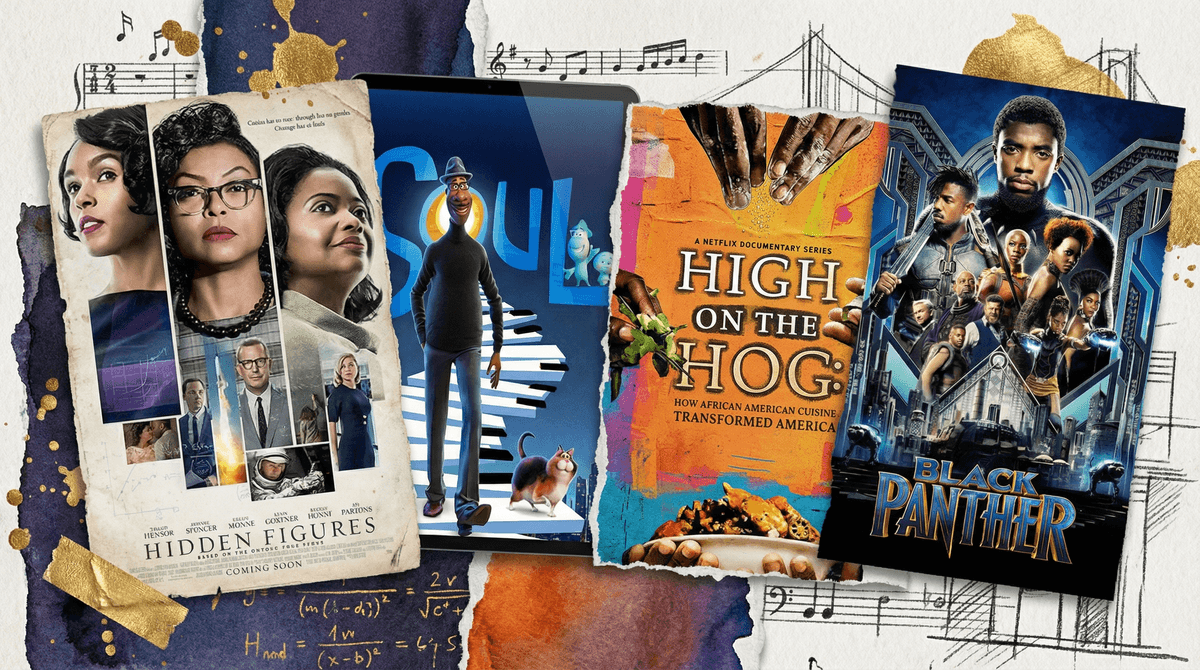
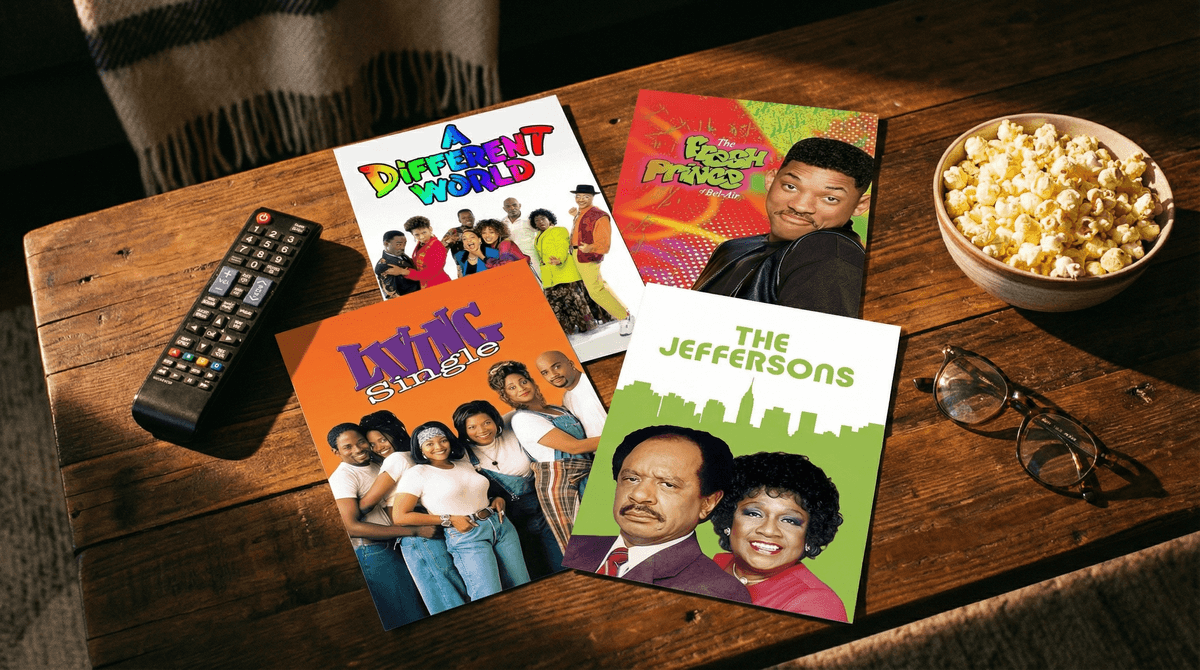
The show is safe and "enriching" on paper, but it struggles with the most important part of being a TV show: being watchable. If your kid finds it boring or preachy after three episodes, believe them. There is no shortage of better-executed Black TV classics for families that manage to be important without forgetting to be funny.