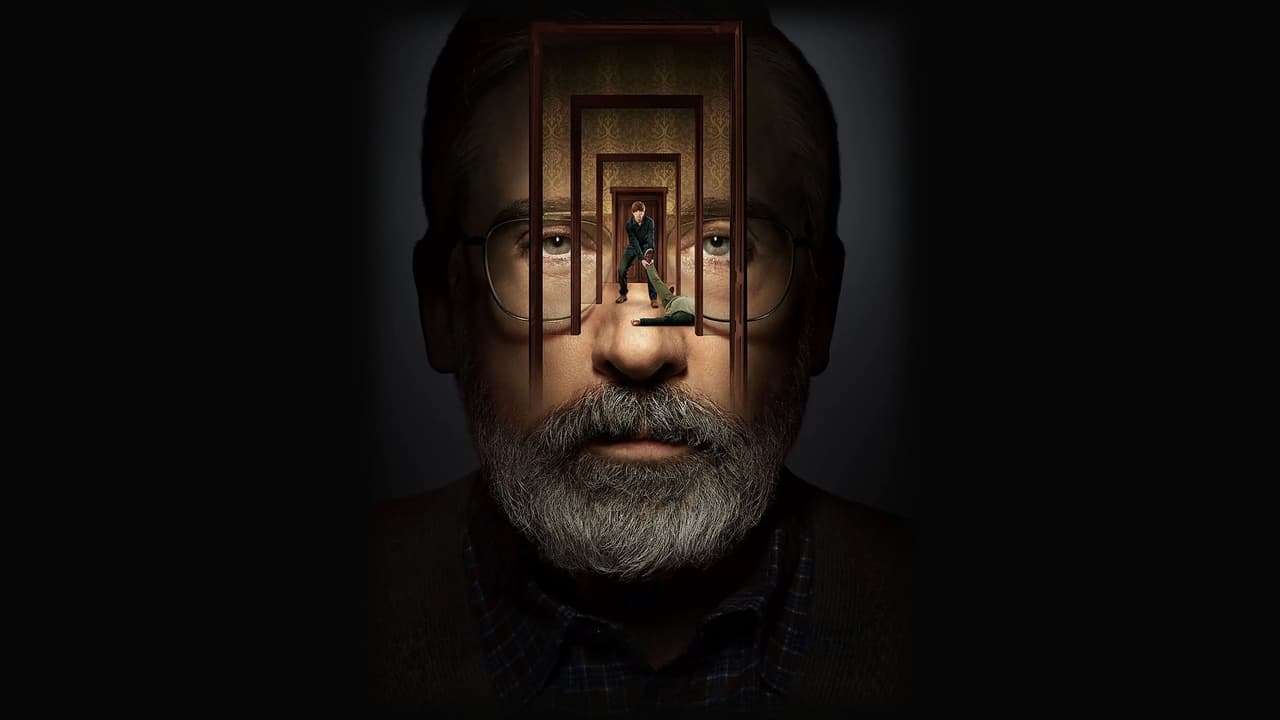
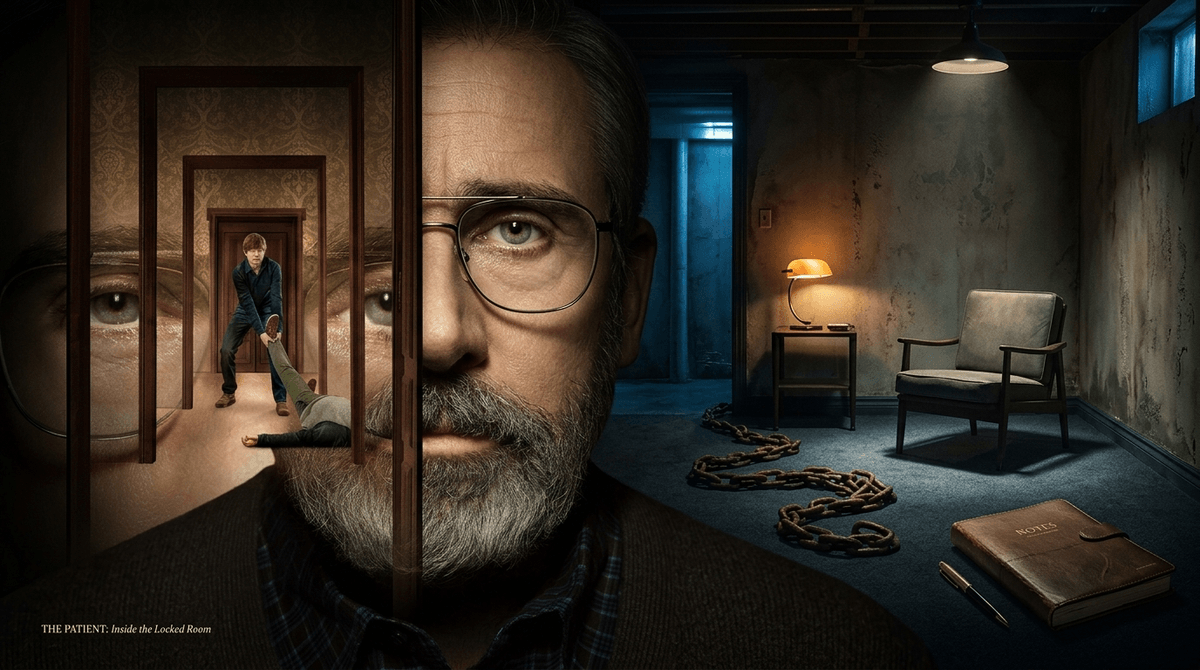
The Carell Pivot
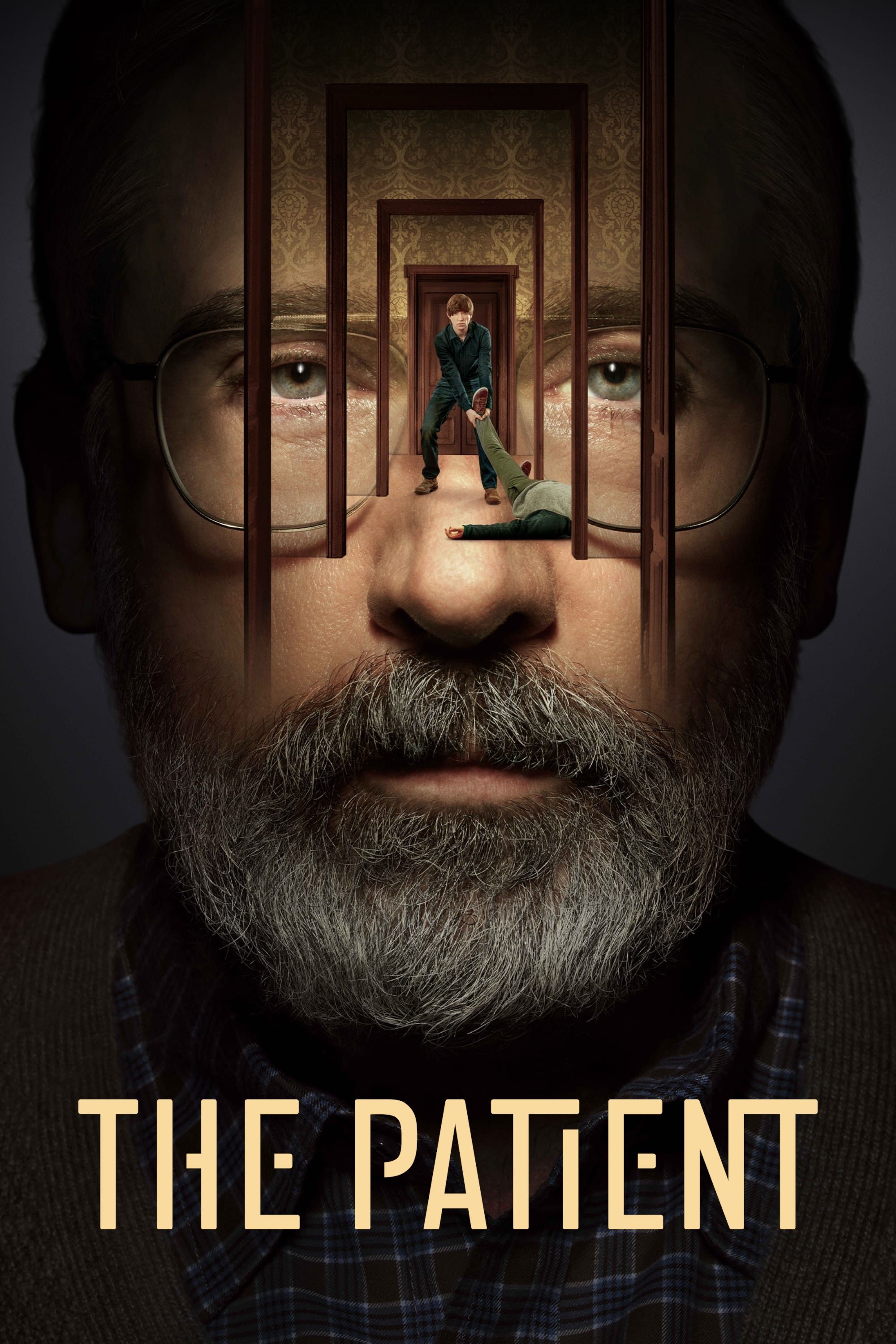
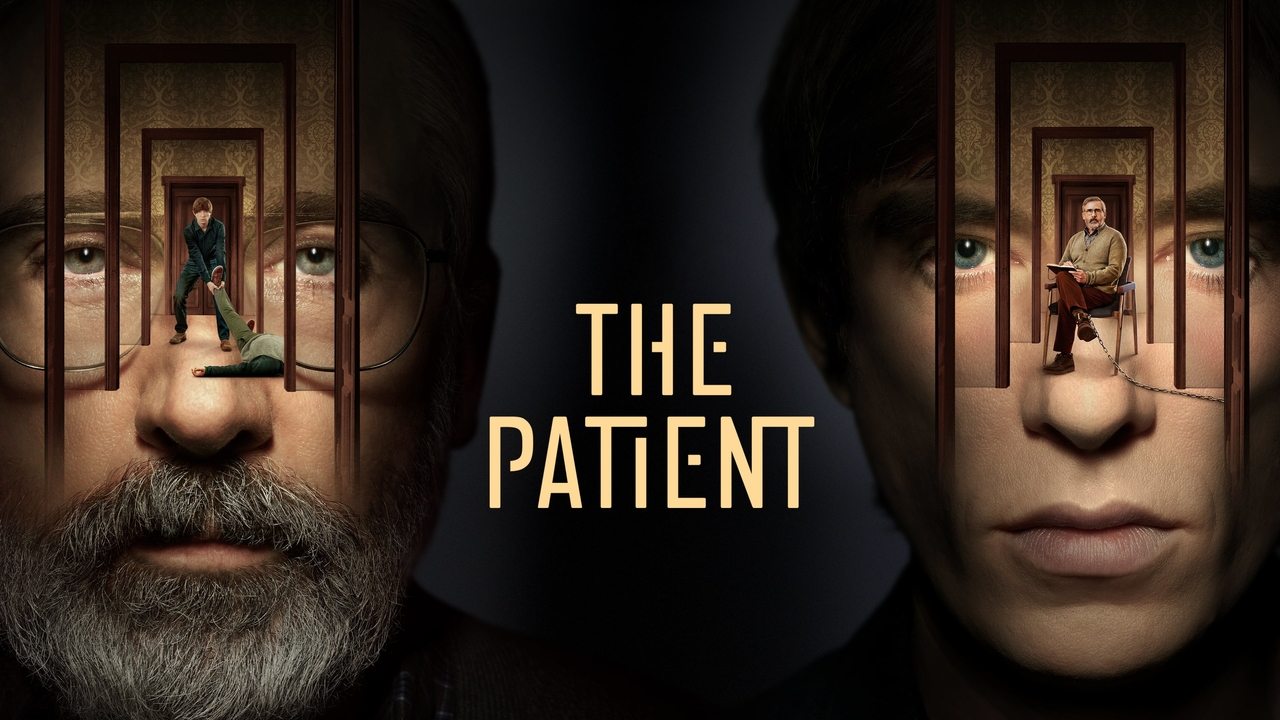
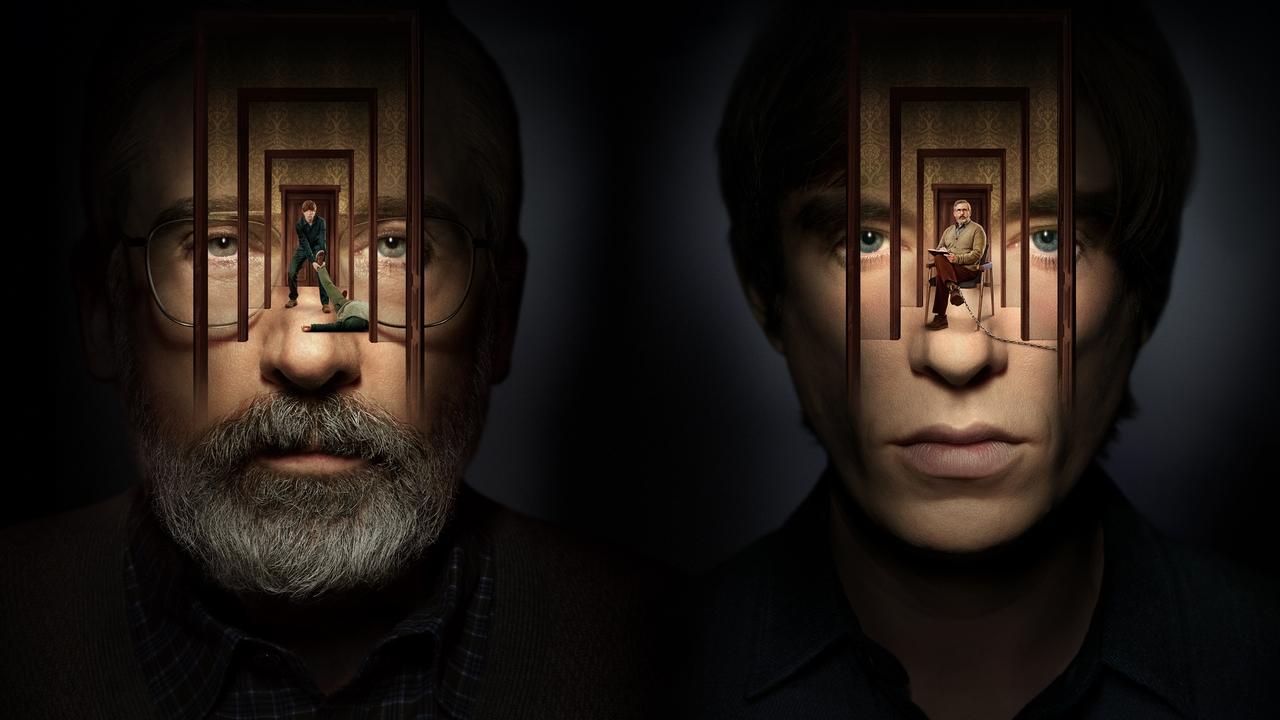
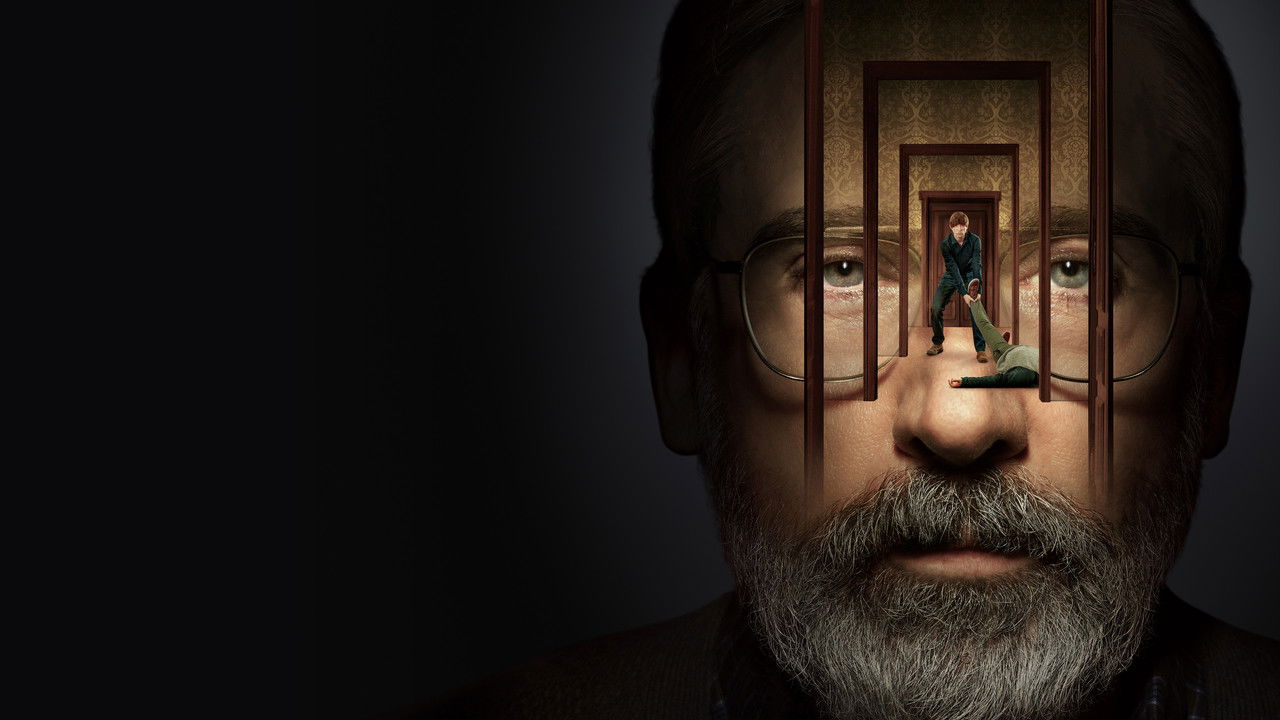
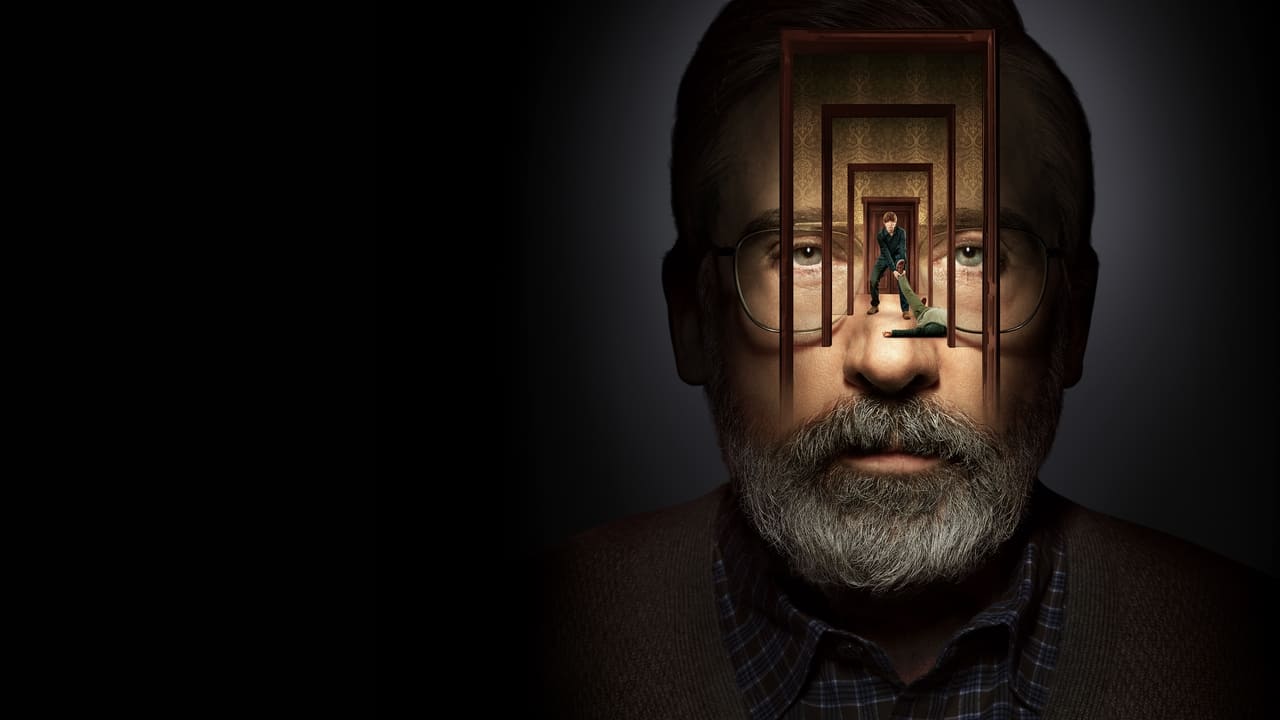
Most of us know Steve Carell as the guy who made cringe-comedy an art form, but this is a hard, somber pivot. He plays Alan Strauss with a quiet, terrified dignity that keeps the entire show grounded. If he played the role with even a hint of a wink to the camera, the premise—a serial killer kidnapping a therapist to "cure" his homicidal urges—would collapse into parody. Instead, it feels like a nightmare.
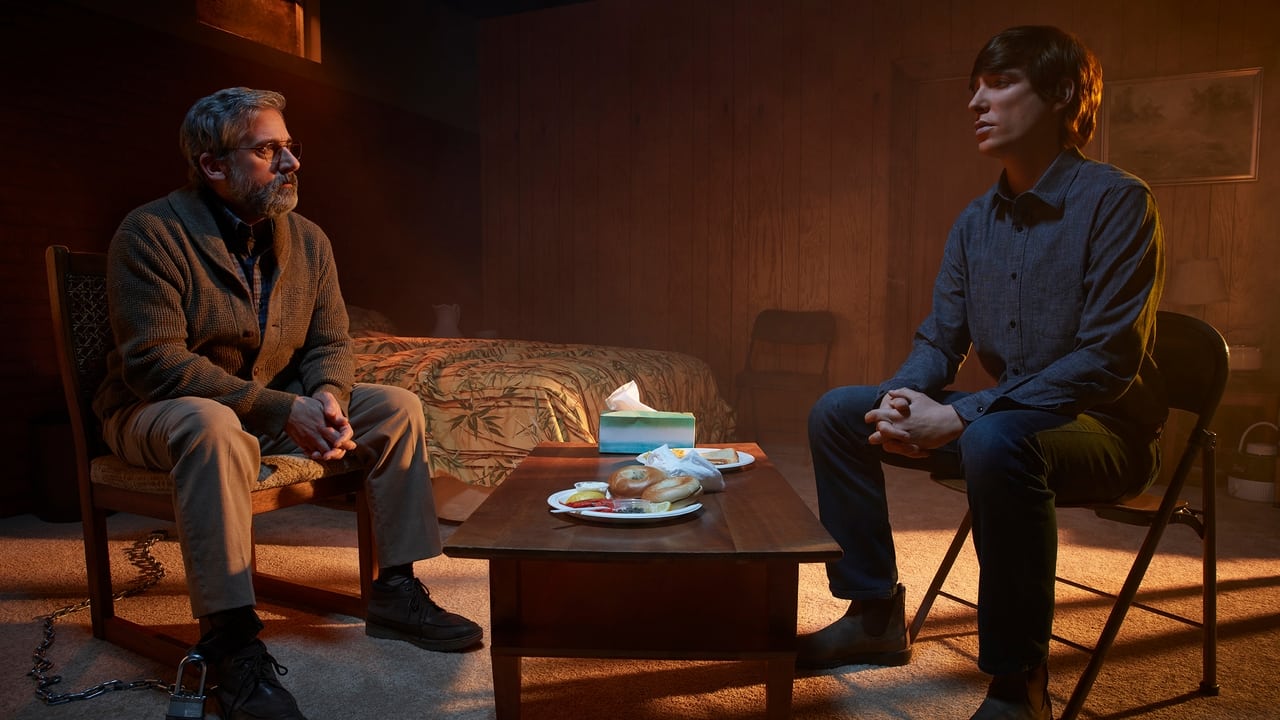
The show is built on a gimmick, but it doesn't treat it like a joke. It’s a locked-room mystery where the only way out is through a psychological breakthrough. If your teen is a fan of psychological face-offs rather than high-speed chases, the dynamic between the doctor and the captive-taker is genuinely compelling.
Sitcom Timing, Drama Stakes
The most polarizing thing about the show is the format. Most prestige dramas bloat to an hour, but these episodes often clock in around 30 minutes. It’s a "sitcom-timed" drama, which creates a strange, relentless pacing. Some critics found this claustrophobic or even a bit dull because the show refuses to leave that basement for long stretches.
If you’re expecting a Criminal Minds style procedural where the FBI busts down the door in the final ten minutes, you’re going to be frustrated. This is a stage play with a chain. It’s much closer to the dark, character-driven tension of The Fall than a standard network thriller. The short runtimes make it easy to binge, but the subject matter is heavy enough that you’ll probably want to come up for air between episodes.
More Than a Kidnapping
The show spends a surprising amount of time on Alan’s internal life—specifically his Jewish faith and his relationship with his estranged son. This isn't just filler; it’s the core of how he processes his own mortality while sitting across from a killer. It adds a layer of grief that most thrillers ignore.
The audience scores are lower than the critic scores for a reason: the ending. It avoids the easy, Hollywood "heroic escape" payoff in favor of something much more complicated and haunting. If you're trying to decide if this serial killer thriller is too intense for your teen, the answer usually depends on their tolerance for emotional heaviness rather than just the gore. There are bursts of violence, but the real "horror" is the realization that some people might actually be beyond help. It’s a conversation-starter about empathy, its limits, and whether anyone can truly be "cured" of their darkest impulses.