The "Beautiful Mess" of 2026
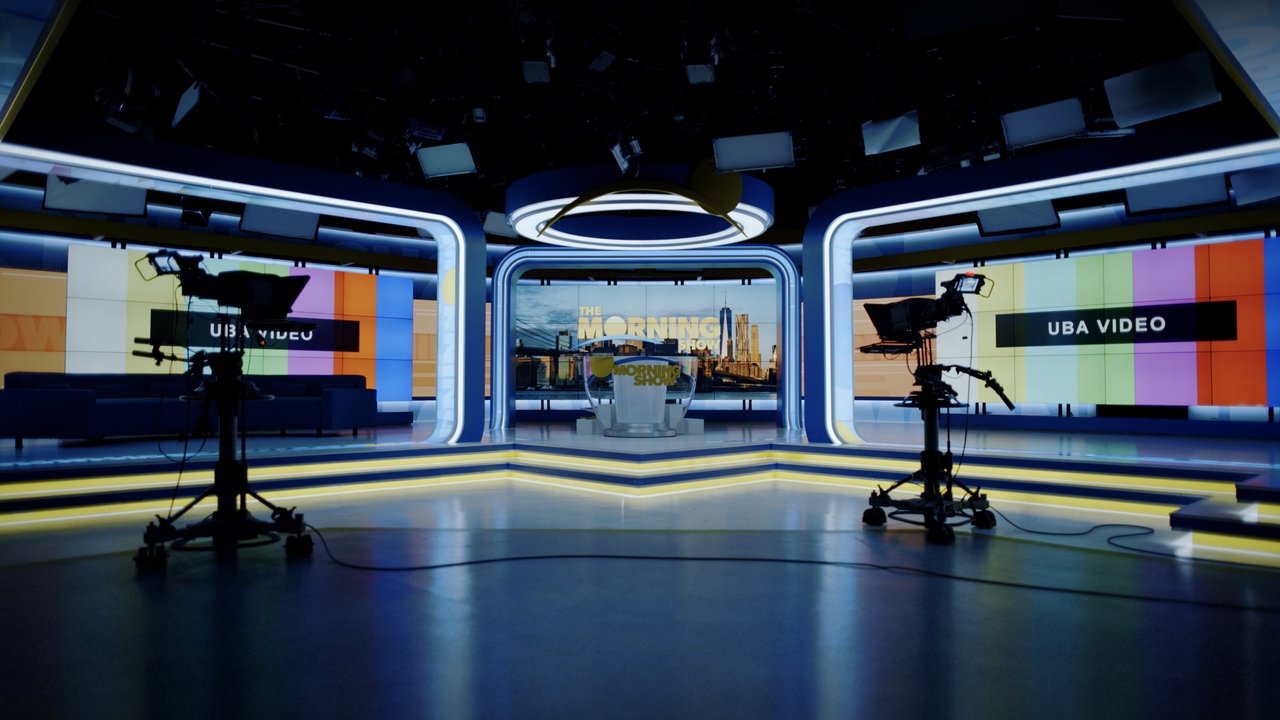
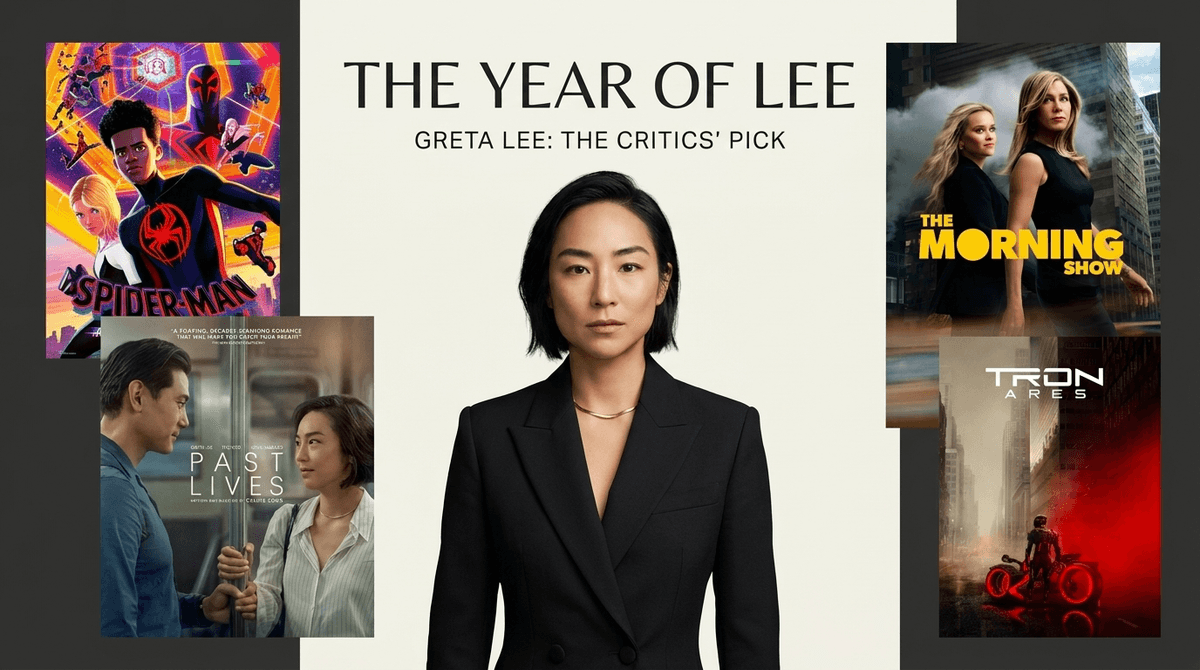
By now, The Morning Show has transitioned from a prestige drama about the #MeToo movement into something far more chaotic. If you’re just jumping in, you’ll find that Season 1 is a tight, focused look at workplace power dynamics and the fallout of a scandal involving Steve Carell’s character. It’s arguably some of the best television Apple has produced. But as the seasons progress into 2026, the show has leaned hard into its melodrama roots.
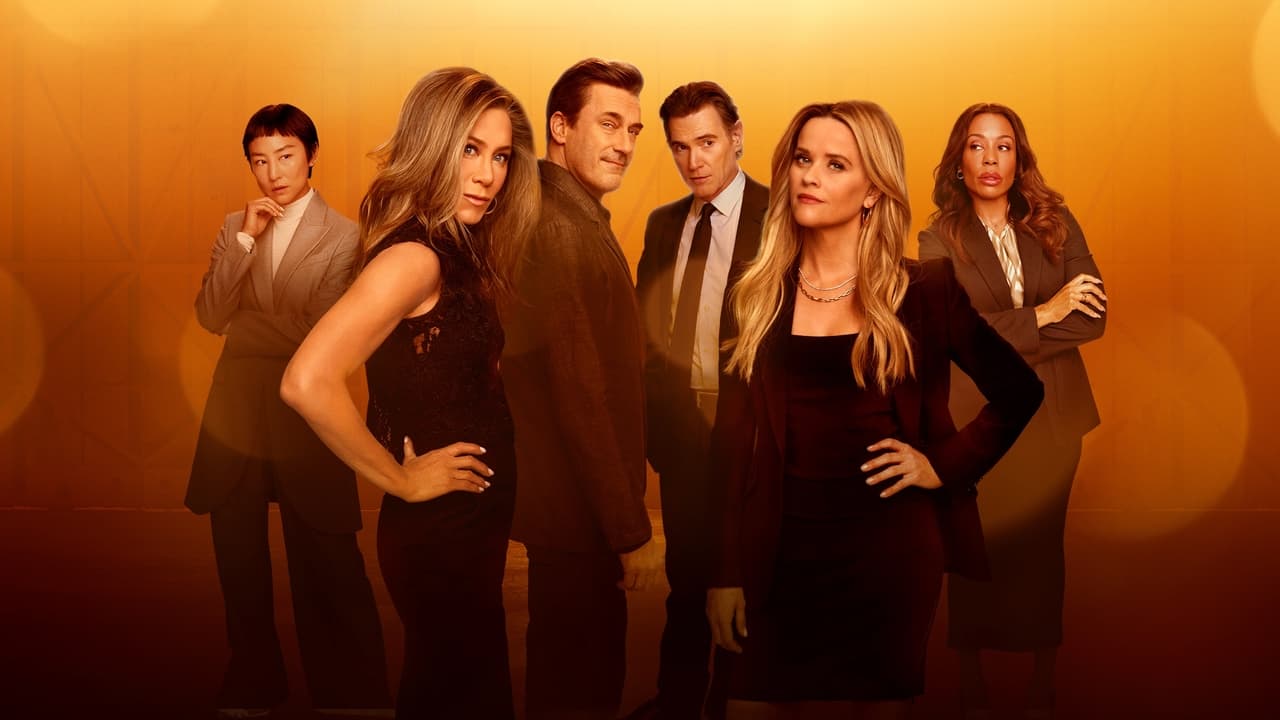
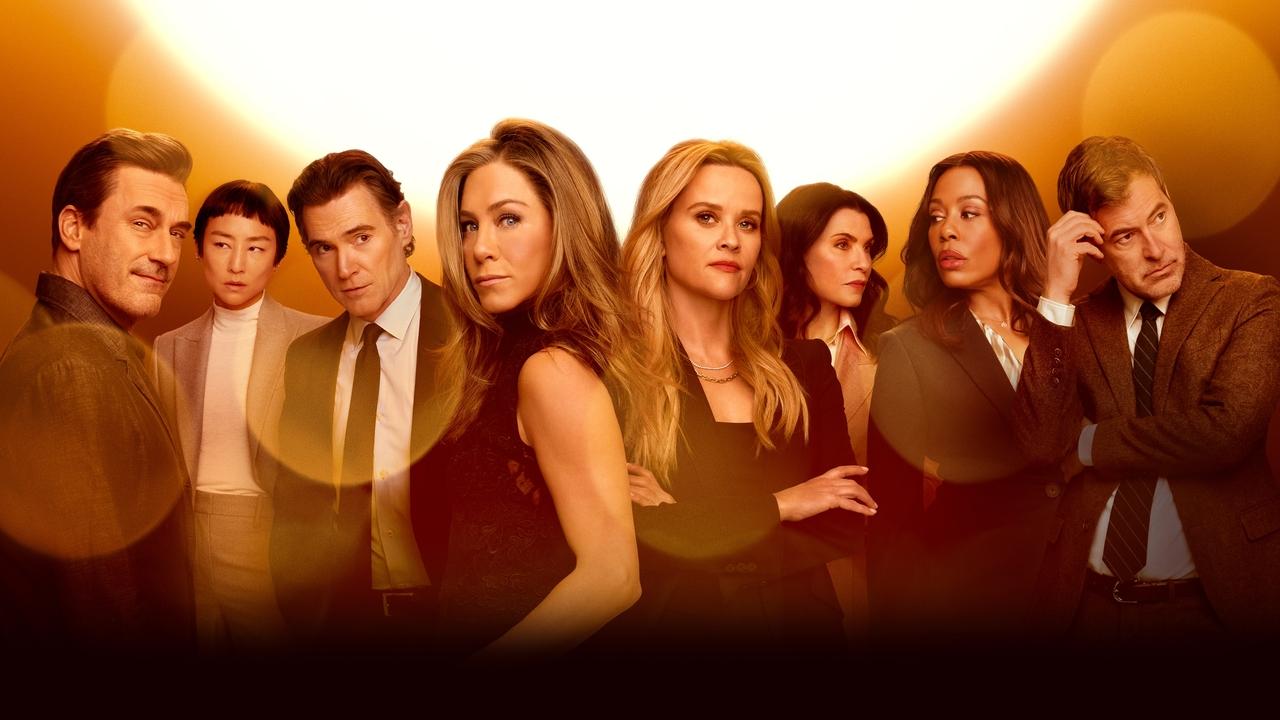
The critics are currently split—sitting at a 69% on Rotten Tomatoes—while the audience score has plummeted to a 42%. That gap tells you exactly what you need to know: this is a show people love to hate-watch. It’s glossy, the lighting is perfect, and the stakes feel life-or-death even when they’re just talking about a board meeting. If you’re looking for a grounded, realistic portrayal of a newsroom, this isn't it. If you want to see Jennifer Aniston and Reese Witherspoon scream at each other in designer coats, you’re in the right place.
The Aniston and Witherspoon Factor
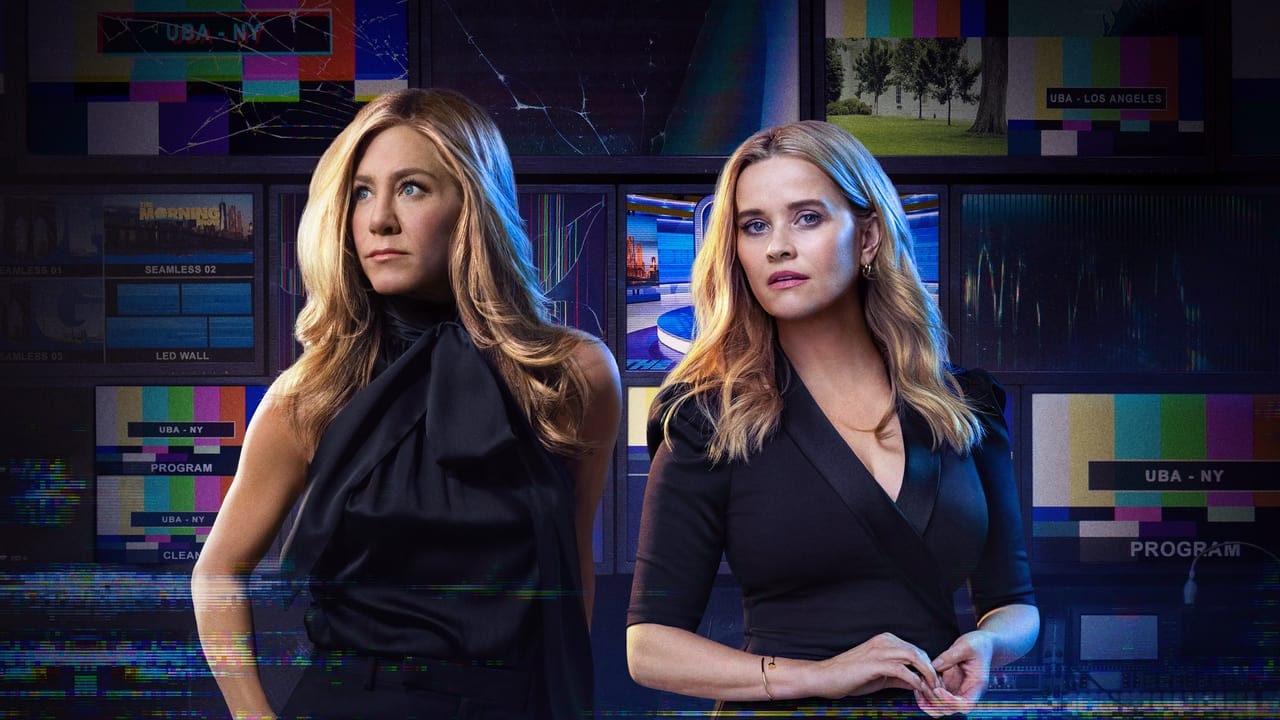
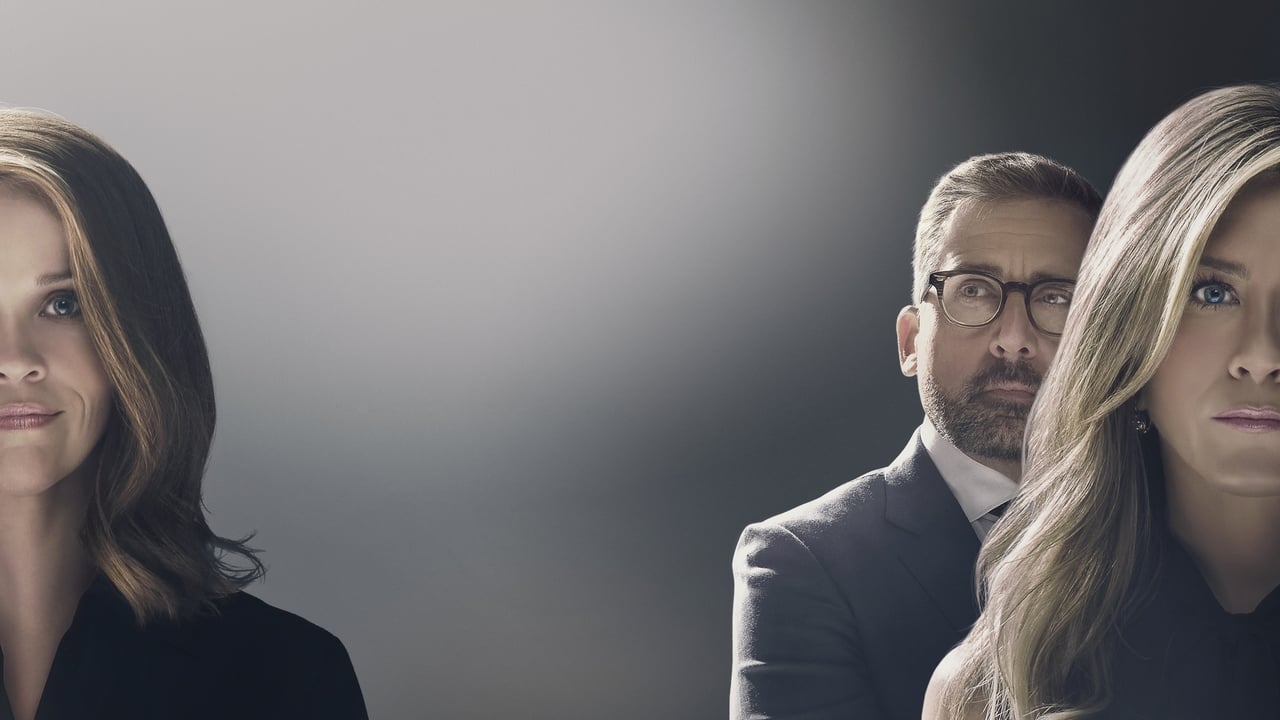
A huge part of the draw here is watching two massive stars reinvent themselves. We’ve moved way past the "comfort watch" era of their careers. In this series, Jennifer Aniston is no longer just a comfort watch; she’s playing a woman who is often deeply unlikeable, selfish, and desperate to maintain her grip on power. It’s a jarring but impressive pivot.
Meanwhile, the Reese Witherspoon effect is in full swing here. Her character, Bradley Jackson, is the engine of the show’s more impulsive, "truth-at-all-costs" storylines. Their chemistry is the only thing that keeps the show from spinning off the rails when the plot gets, as recent reviews suggest, "utterly nonsensical."
Why the Audience is Checking Out
The 42% audience score likely stems from the show’s refusal to stay in its lane. What started as a workplace drama has expanded to cover global pandemics, billionaire space races, and massive corporate hackings. For some, it’s a riveting look at the chaos of the modern world. For others, it’s "numbingly monotonous" because it tries to do too much at once.
If you’re deciding whether to commit your limited evening hours to this, check where it sits on our ranking of the best Apple TV+ shows. It usually stays in the top 25 simply because the acting is so high-caliber, but it’s no longer the "must-watch" it was in 2019.
The "Stress-Watching" Calculus
This is a high-cortisol show. Every conversation is a negotiation; every hug is a betrayal in waiting. There are no "nice" characters to root for, which makes it a tough sell if you’re looking to unwind after a long day.
If your teenager is hovering while you watch, they’ll likely be bored by the corporate litigation and talk of NDAs. However, the depiction of Mitch Kessler’s (Steve Carell) downward spiral is handled with a heaviness that requires a mature perspective. It doesn't offer easy answers or "good guy" trophies. It’s a show about the grey areas, and in 2026, those areas have become very, very messy.
If you're still figuring out how to manage your family's viewing habits on the platform, our guide to Apple TV can help you set up those 2026-era profiles so your "Up Next" queue doesn't get buried under your kid's cartoons while you're trying to keep up with the UBA newsroom drama.